|
In today’s era of intelligent manufacturing, Surface Mount Technology (SMT) production lines function as the precision-driven “heart” of electronics production. They enable the accurate placement of microscopic components onto printed circuit boards (PCBs), powering nearly every modern electronic device—from smartphones and wearable electronics to aerospace and industrial control systems. So how does a fully integrated SMT production line operate? How do core machines work in synergy to achieve high-speed, high-precision assembly? And what critical roles are played by often-overlooked units such as conveyors and shuttle systems? Let’s step into the world of smart manufacturing and explore the precision behind modern SMT automation.
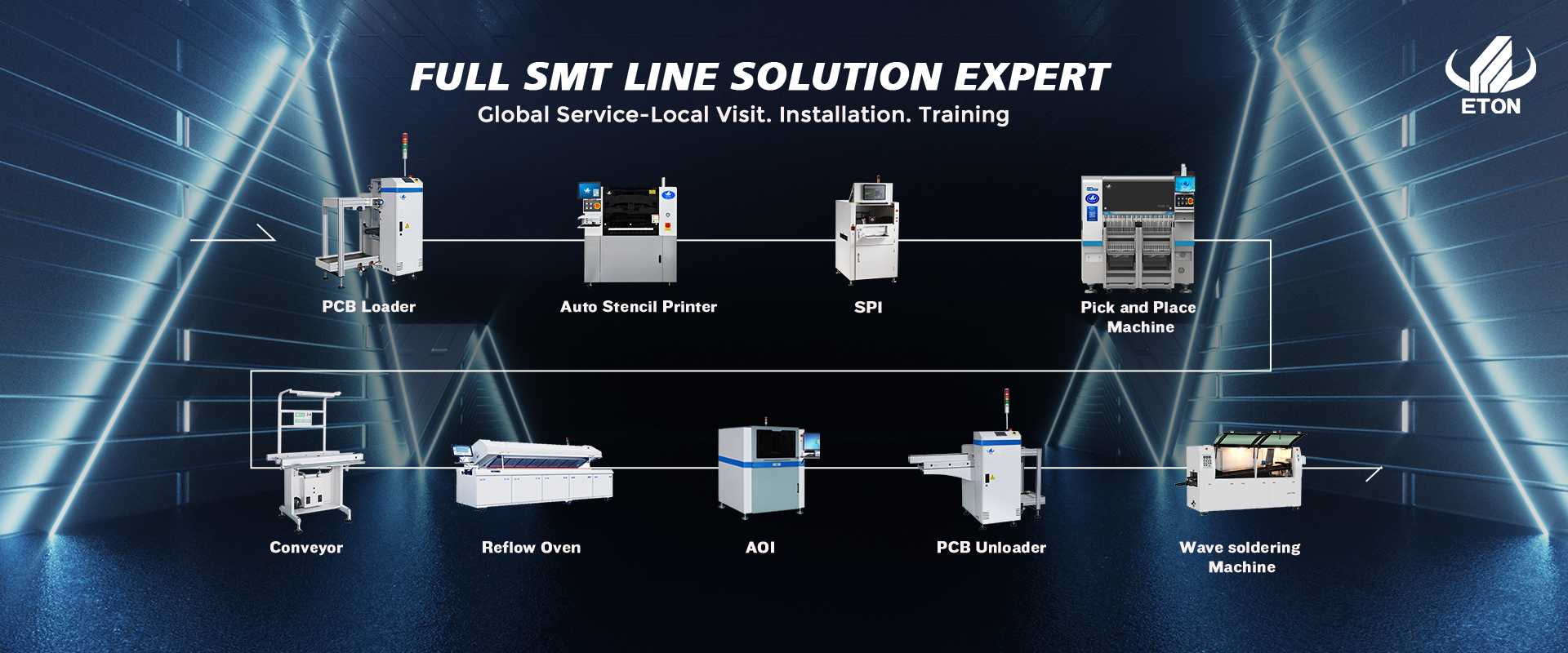
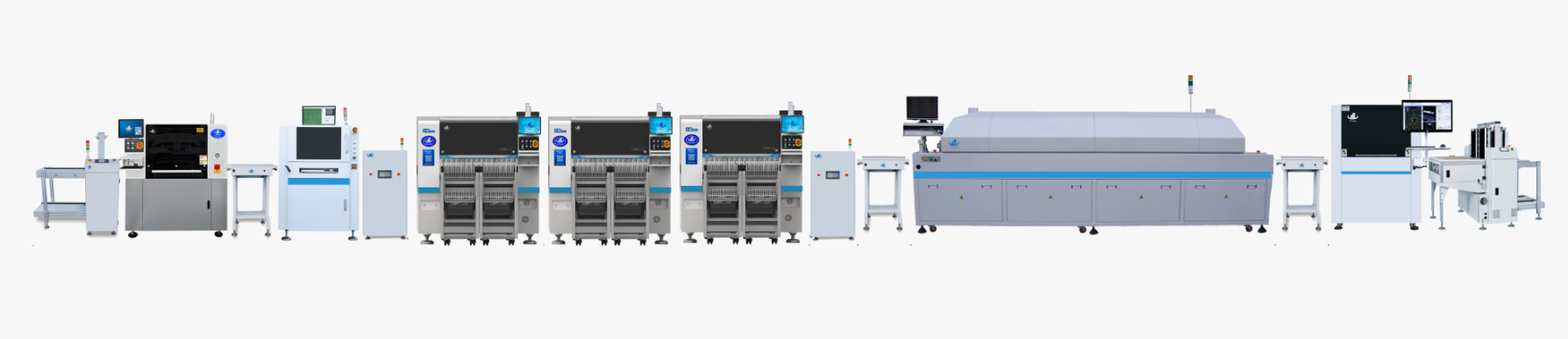
Overview of a Complete SMT Automated Production LineA high-efficiency SMT line is composed of multiple interconnected systems forming a continuous and intelligent production flow. A standard configuration typically includes: 1. Loader (Automatic PCB Feeding System)The loader is the starting point of the SMT line. It automatically picks up bare PCBs from racks and smoothly transfers them into the production line via conveyor systems. This process ensures stable, continuous, and fully automated PCB feeding—laying the foundation for high-efficiency manufacturing.
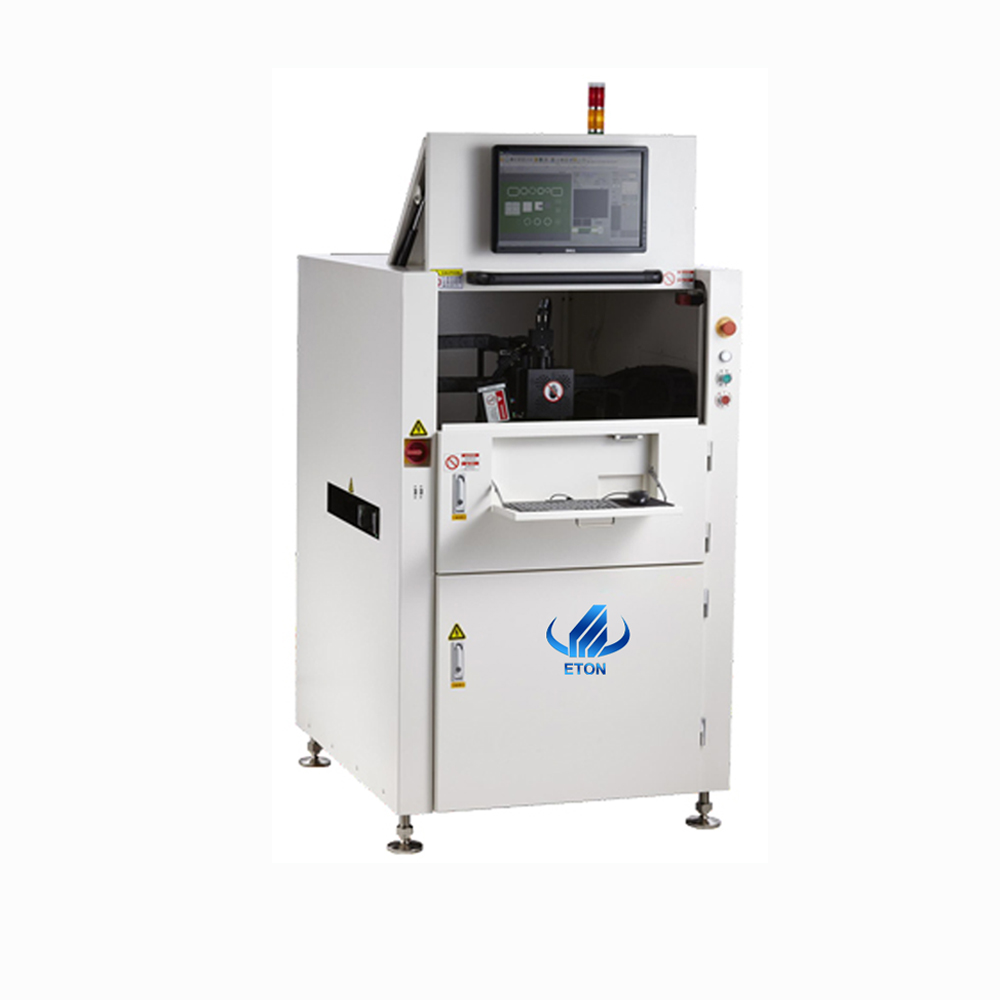
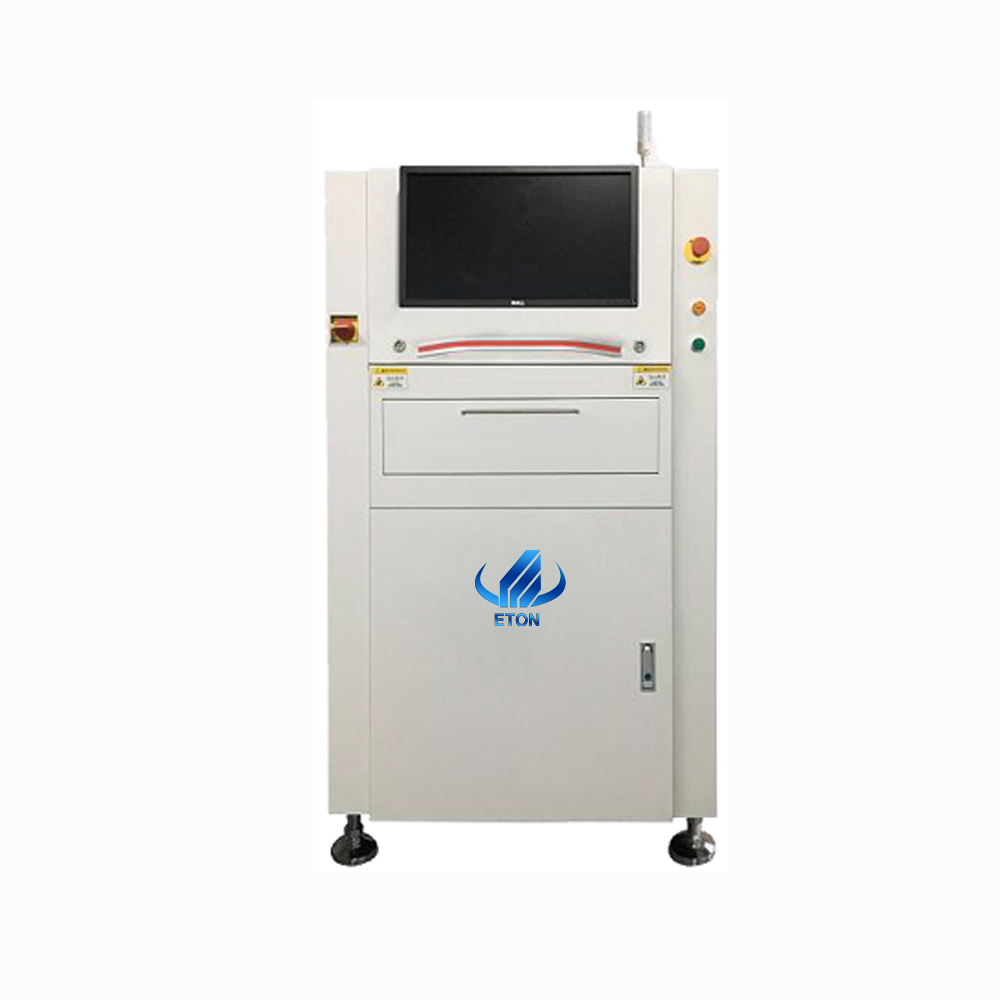
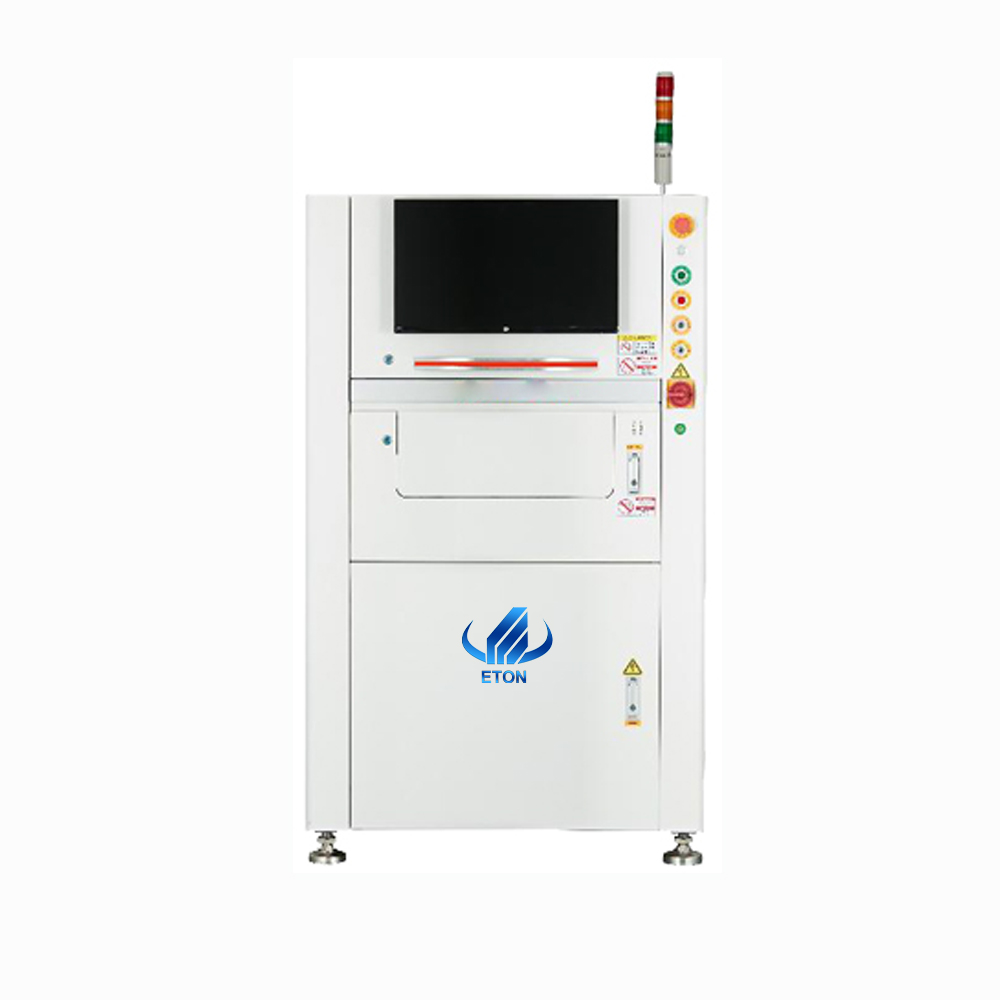
2. Solder Paste PrinterThe solder paste printer precisely applies solder paste onto PCB pads using a stencil and squeegee system. Equipped with CCD vision alignment, the system automatically aligns PCB Mark points to ensure printing accuracy. Parameters such as pressure, speed, and angle are fully programmable, guaranteeing uniform solder paste deposition. Printing quality directly determines downstream soldering reliability. 3. SPI (Solder Paste Inspection)SPI systems use 3D measurement technology to inspect solder paste quality immediately after printing. They detect height, volume, area, and potential defects such as insufficient paste, excess paste, or misalignment in real time. By preventing defective boards from entering the next stage, SPI significantly improves overall yield and process stability. 4. Pick and Place Machine (Core SMT Equipment)The pick and place machine is the central system of the SMT line, responsible for placing electronic components onto PCBs with ultra-high precision. Using advanced vision systems and high-speed motion control, it picks components from feeders and places them accurately onto designated pads. Modern systems can handle components from ultra-small 01005 chips to large IC packages such as BGA and QFN, achieving placement speeds exceeding 100,000 CPH with micron-level accuracy. It represents the highest level of technological integration and investment in the SMT process. 5. Reflow OvenThe reflow oven forms permanent solder joints by precisely controlling temperature profiles across multiple zones: preheating, soaking, reflow, and cooling. Advanced systems support nitrogen protection environments and temperature accuracy within ±1°C, reducing oxidation and improving solder joint reliability. It is a critical process determining the final quality of electronic assembly. 6. AOI (Automated Optical Inspection)AOI systems perform final inspection after reflow soldering using high-resolution imaging and multi-angle lighting. They automatically detect defects such as missing components, polarity errors, solder bridging, and misalignment. With AI-enhanced algorithms, modern AOI systems achieve detection at the 01005 component level, ensuring high product reliability before shipment. 7. Unloader (PCB Collection System)The unloader receives finished PCBs after inspection and automatically sorts, stacks, and organizes them into trays or racks. It can also integrate with MES systems for real-time production tracking, batch management, and data traceability. Smart Logistics: Conveyor & Shuttle SystemsAlthough not directly involved in core processes, conveyors and shuttle systems are essential for ensuring smooth and efficient PCB transfer between machines. Key Roles:1. Process Buffering & Continuity 2. Cycle Time Optimization 3. Flexible Line Configuration 4. Stable High-Speed Operation Without these intelligent logistics systems, even the most advanced equipment cannot reach its full performance potential. |
SMT Automation Production Line: The Precision Backbone of Modern Smart Manufacturing
26. Jun 2026 ETON