|
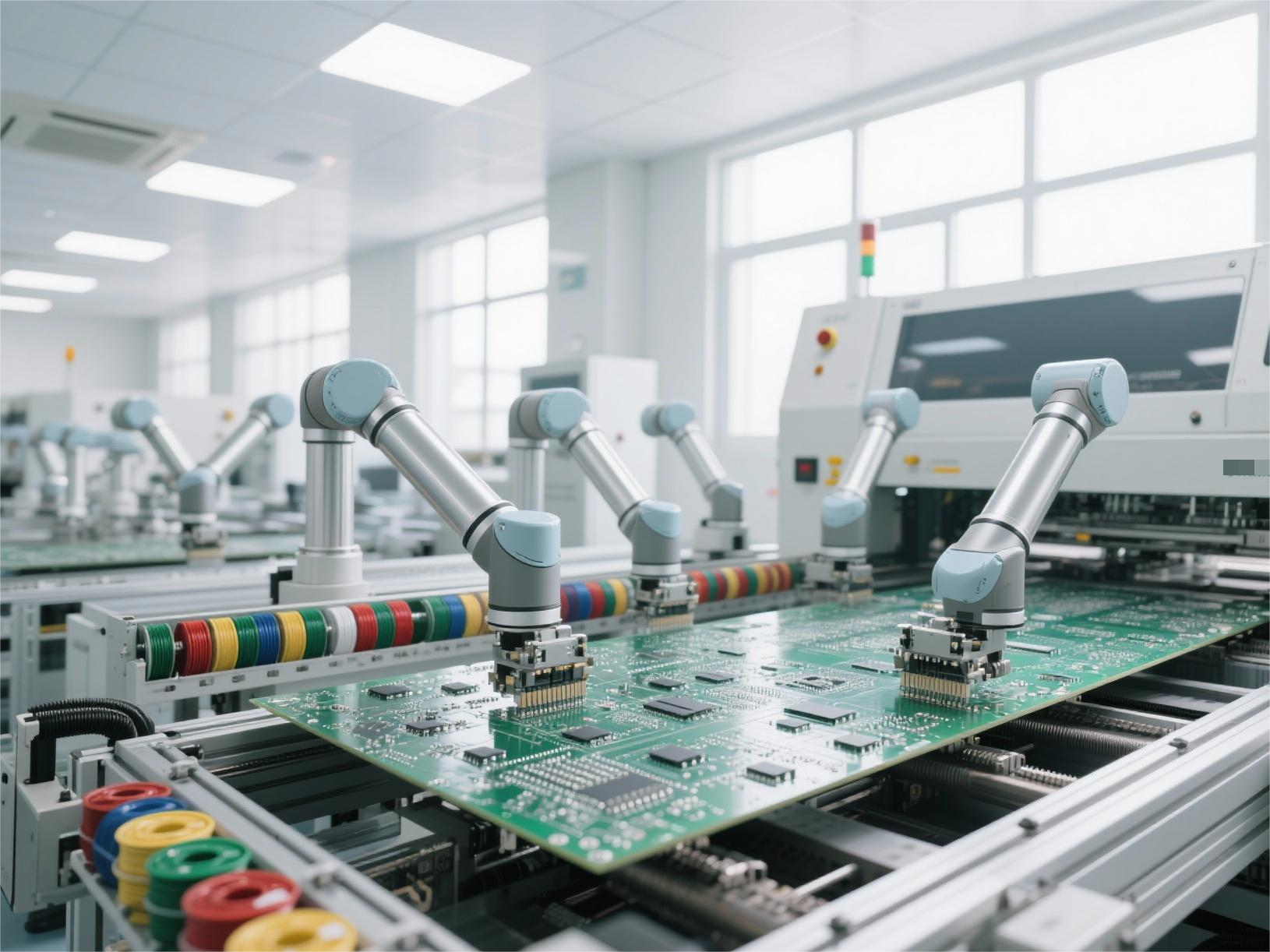
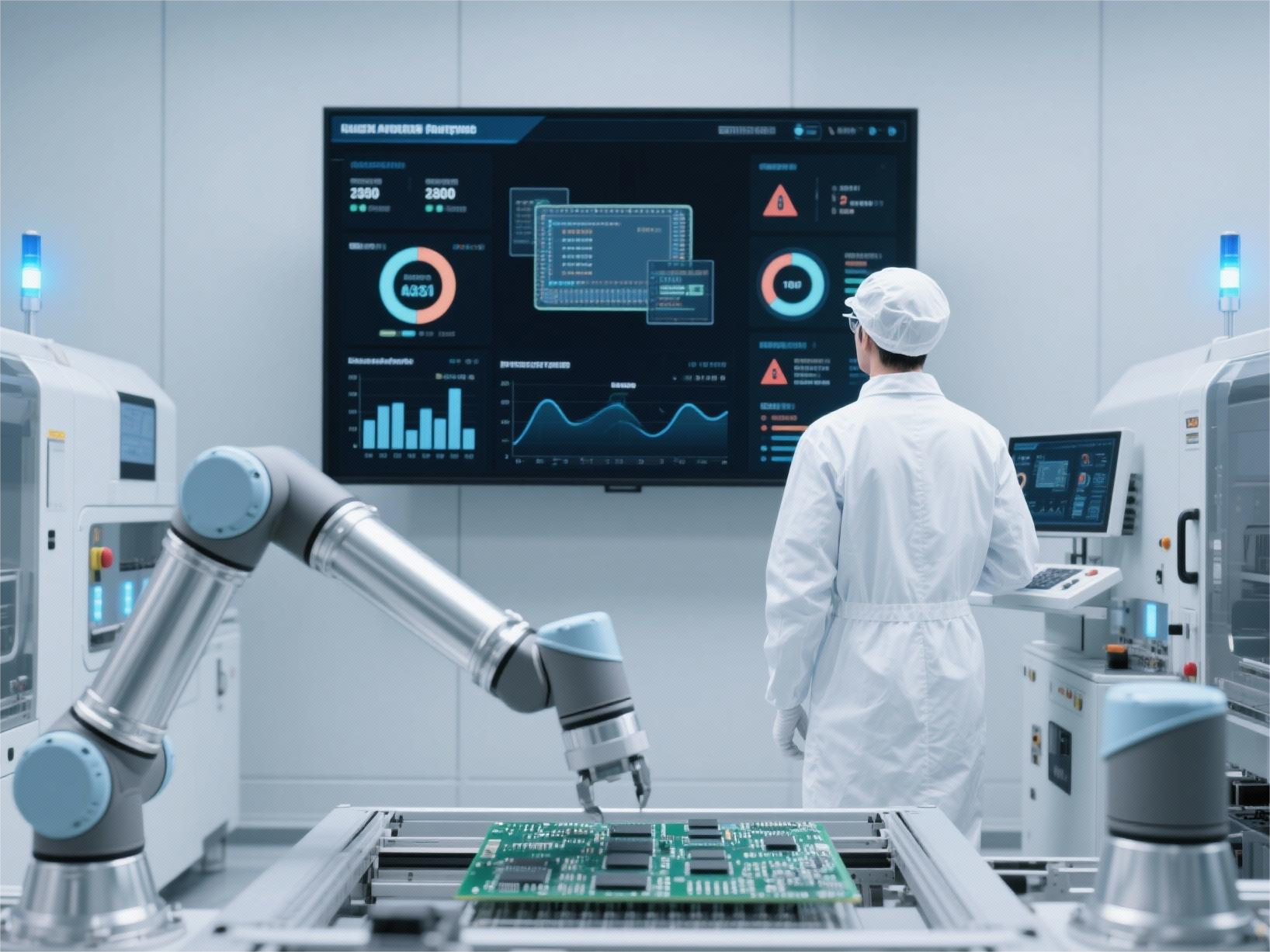
The Backbone of Electronics Manufacturing: Understanding Pick and Place Machines Surface mount technology (SMT) has revolutionized electronics manufacturing by replacing the older through-hole technology (THT) that dominated mid-20th-century production. Unlike THT—where components required leads inserted into drilled holes on printed circuit boards (PCBs) and manual soldering—SMT mounts components directly onto PCB surfaces using solder paste. This shift enabled the creation of smaller, lighter, and more powerful devices, from smartphones to medical monitors, by drastically increasing component density. At the center of every SMT production line lies the pick and place machine: a precision-engineered system that automates the critical task of positioning electronic components onto PCBs with microscopic accuracy. These machines bridge the vast size gap between ultra-miniature 01005 packages (measuring just 0.01 × 0.005 inches, smaller than a grain of sand) and large ball grid arrays (BGAs) up to 40 × 40 mm, achieving placement accuracies of ±5 micrometers (roughly 1/20th the diameter of a human hair) and speeds exceeding 100,000 components per hour. The evolution of pick and place machines traces back to the 1960s and 1970s, a period when the first microchips (like Intel’s 4004) demanded faster, more precise assembly than manual labor could provide. Early models were semi-automatic, requiring operators to load components and guide placement heads, and could only handle limited component sizes. By the 1980s, fully automated systems emerged with basic vision sensors to detect component misalignments, a breakthrough that reduced human error. The 1990s brought further refinements: faster servo motors, computer-aided design (CAD) integration (allowing direct import of PCB layouts), and improved feeder systems for consistent component delivery. The 2000s marked a turning point, as the explosion of smartphones and portable electronics drove demand for machines that could handle 0201 packages (0.02 × 0.01 inches) and high-volume production. Today, pick and place machines are irreplaceable in electronic manufacturing services (EMS)—third-party providers that produce devices for brands like Apple, Samsung, and industrial firms—enabling scalable production of consumer electronics, automotive infotainment systems, and life-saving medical devices.
How Pick and Place Machines Work: A Symphony of Precision Engineering A pick and place machine is not a single tool but a coordinated system of mechanical, electrical, and software components, each critical to maintaining speed and accuracy. Below is a breakdown of its key subsystems and core workflow: Key Subsystems 1.Frame: The machine’s structural backbone, typically made from high-grade aluminum or steel alloys to minimize vibration—even tiny oscillations can disrupt placement accuracy. Frames are often mounted on vibration-damping feet to isolate the machine from factory floor movements, ensuring all other components remain perfectly aligned. 2.PCB Transmission and Carrying Mechanism: Responsible for moving PCBs through the machine’s workflow. Modern systems use precision conveyor belts or robotic arms to transport boards, with clamping mechanisms that hold PCBs flat during placement (critical for thin or flexible PCBs prone to warping). Sensors confirm the PCB’s exact position, sending data to the control system to adjust placement coordinates for any slight deviations. After placement, the PCB is automatically sent to the next SMT stage, usually a reflow oven where solder paste melts to bond components to the board. 3.Drive System: The “muscles” of the machine, controlling the placement head’s movement along the X (horizontal), Y (vertical), and Z (height) axes. High-end models use linear motors—with no moving parts other than the slider—to achieve smooth, fast motion with minimal wear. Servo motors paired with precision ball screws handle finer adjustments, while feedback loops constantly correct for errors (e.g., thermal expansion of components due to factory heat). For example, if the drive system detects a 2-μm drift in the placement head, it immediately adjusts to maintain accuracy. 4.Feeding System: Delivers components to the placement head via three specialized feeder types, tailored to component size and shape:
5.Vision System: The machine’s “eyes,” consisting of high-resolution cameras (5-megapixel or higher) mounted on the placement head or above the PCB. It performs two critical tasks:
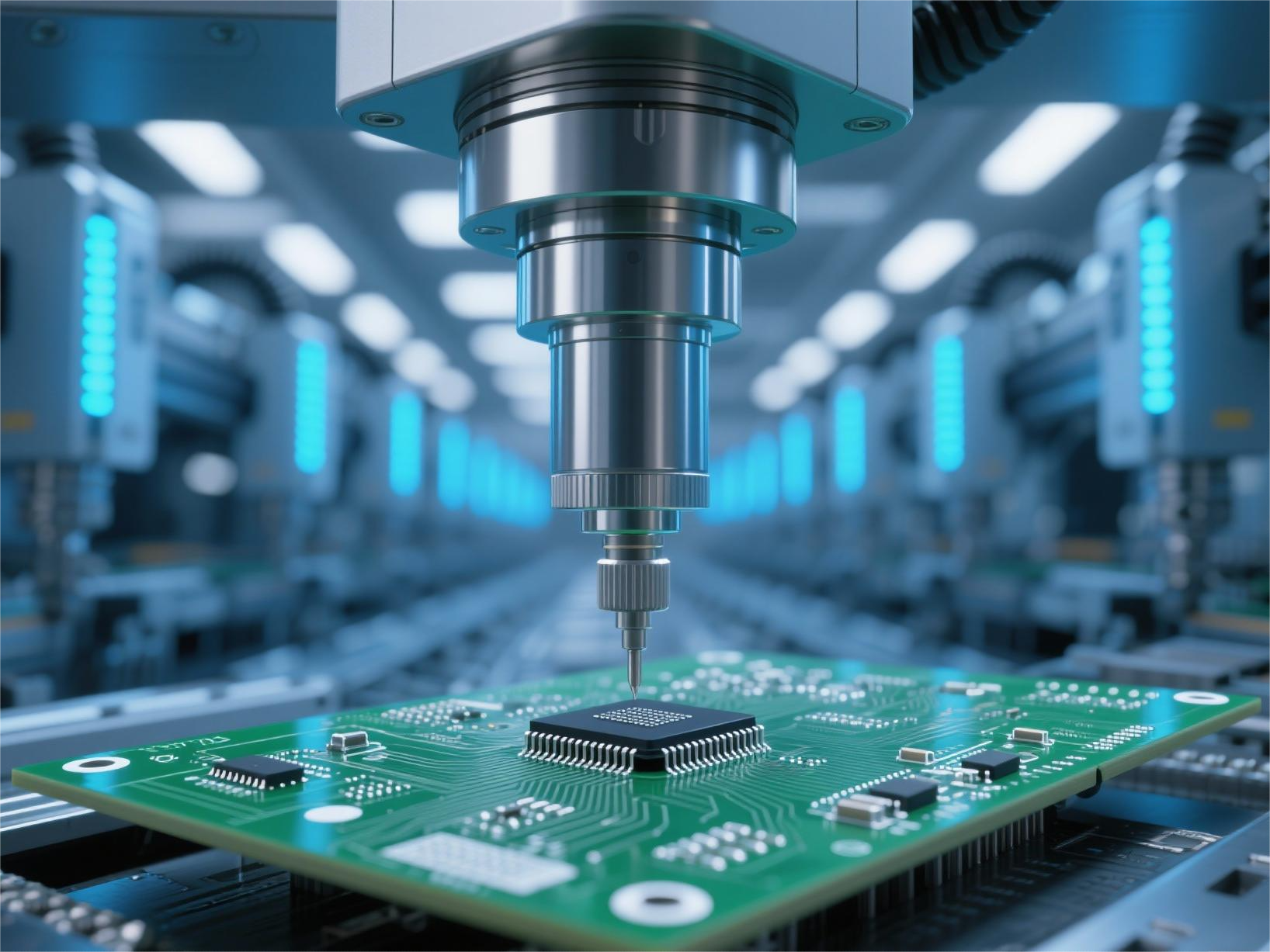
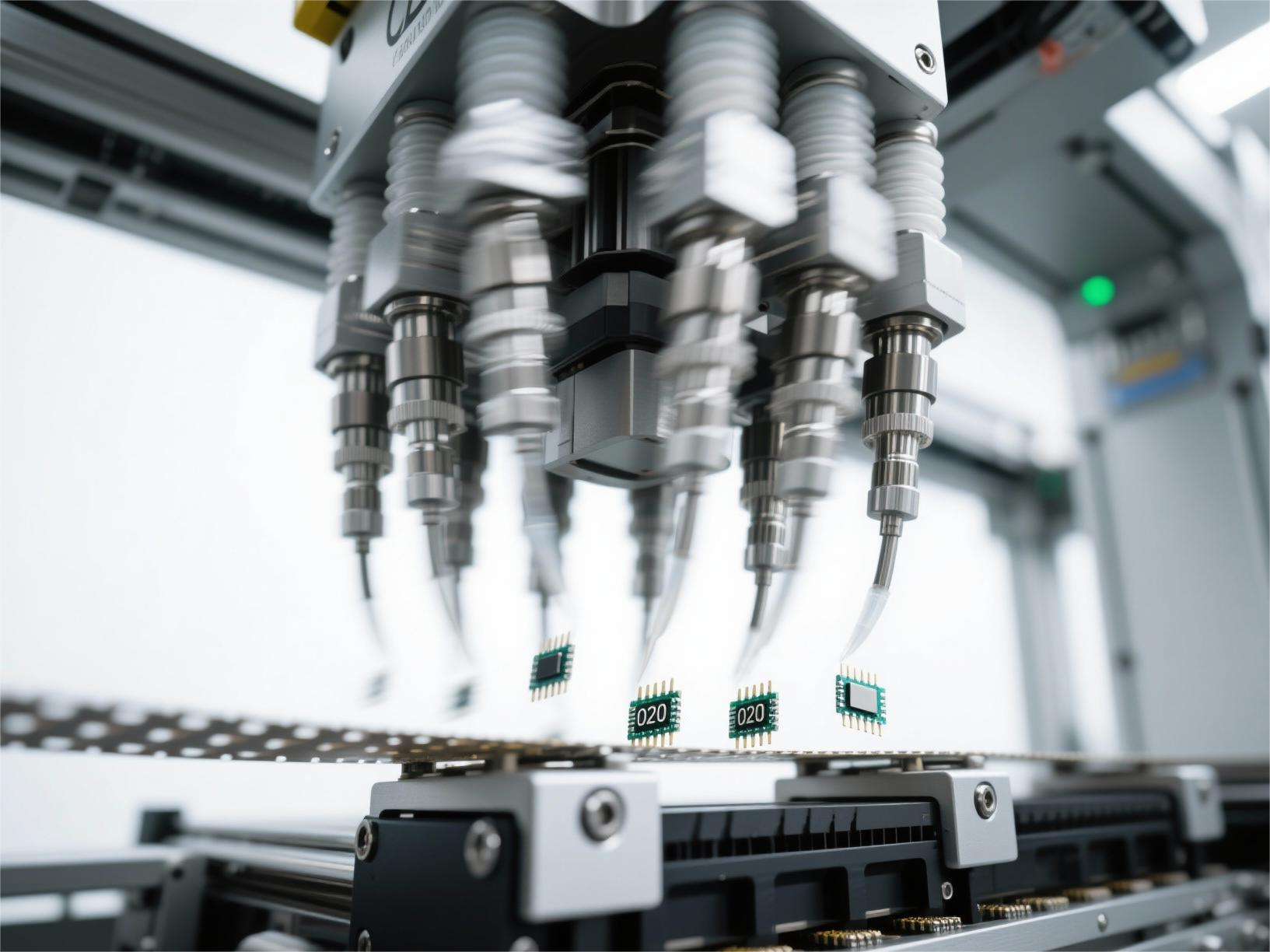
6.Placement System: The “hand” of the machine, consisting of a modular placement head and interchangeable nozzles. The head typically holds 8–24 nozzles (depending on the machine) and rotates components via a theta axis to the correct orientation. Nozzles use vacuum suction—adjusted for each component’s size—to pick up parts: a tiny 01005 resistor needs a 0.1-mm nozzle with low suction (to avoid crushing), while a large BGA uses a larger, soft-tipped nozzle to protect its solder balls. 7.Control System: The “brain,” a computer running specialized software that coordinates all subsystems. It interprets CAD data, manages the component library, and syncs the feeder, drive, and vision systems. Operators use a touchscreen interface to load programs, monitor real-time metrics (placement rate, error rate), and troubleshoot issues (e.g., jammed feeders). Safety features automatically stop the machine if a component gets stuck or the vision system fails, preventing damage.
The Working Process The machine’s operation unfolds in three seamless stages, optimized for speed and accuracy: 1.Component Preparation: Technicians load feeders with components and mount them on the machine’s feeder rack, assigning each feeder a specific location in the software. The component library is updated with new templates, including each part’s size, shape, nozzle type, and placement angle. 2.Component Selection: The placement head moves to the first feeder, where the nozzle uses vacuum to pick up a component. The head then moves to the vision system for inspection and alignment. If the component is valid and properly aligned, the process continues; if not, it’s discarded. 3.Component Placement: The head moves to the PCB (held in place by the transmission system). The vision system confirms the PCB’s position via reference marks, and the drive system adjusts the head’s X/Y/Z coordinates. The Z axis lowers the component to the PCB’s surface, the vacuum is released, and the component is placed. The head then returns to the feeder to pick up the next component, repeating the cycle. Multi-nozzle heads (with 16–24 nozzles) drastically boost speed by picking up multiple components in one pass. For example, the Yamaha YSM20R— a high-performance model—can pick up 24 resistors from a tape feeder, align them, and place all 24 on the PCB in a single movement, achieving placement rates of 95,000 components per hour. Classification of Pick and Place Machines: Matching Technology to Application Pick and place machines are categorized by speed, accuracy, and intended use, ensuring manufacturers select a system that balances performance with cost.
Specialized Machines LED pick and place machines are a key specialized variant, tailored for the lighting industry. They handle extra-long PCBs (up to 1500 mm, used in LED fixtures) and feature fast PCB transmission, precise thermal compensation (to counteract heat-related expansion), and stable alignment technology—critical for ensuring uniform LED placement (which affects light output and fixture lifespan). Programming and Operation: The Intelligence Behind the Hardware Advanced software guides the machine’s hardware, with a programming workflow that ensures accuracy and efficiency: 1.Component Library Creation: Engineers build a digital library of each component, inputting physical characteristics (size, shape, pin count) and placement parameters (nozzle type, suction pressure, rotation angle). Libraries are often shared across machines to standardize production. 2.PCB Data Input: The machine imports CAD files (e.g., Gerber files) of the PCB, which map component positions, pad sizes, and reference marks. If CAD files are unavailable, technicians manually enter PCB specs (dimensions, thickness, layer count). 3.Placement Program Writing: The software generates a placement program, optimizing the order of component placement and feeder positions to minimize the placement head’s travel time. For example, it groups components from the same feeder to reduce back-and-forth movement. 4.Debugging & Optimization: Technicians run trial placements on test PCBs to refine the program. They check for misalignments, adjust suction pressure, or reposition feeders to reduce errors. This stage ensures the program runs smoothly before full production. Modern machines increasingly integrate artificial intelligence (AI) and machine learning (ML) algorithms. These systems analyze PCB layouts and production data to auto-optimize placement paths—cutting travel time by 10–20%—and predict maintenance needs (e.g., alerting technicians to replace a worn feeder before it jams). Some AI-powered machines even learn from past defects to reduce error rates over time.
Technological Innovations: The Cutting Edge Recent advancements are expanding pick and place capabilities, addressing industry demands for smaller components, faster production, and greater reliability:
|
The Evolution and Innovation of Pick and Place Machines in Modern Electronics Manufacturing
4. syys 2025 eton