|
When evaluating an SMT pick-and-place machine, one of the first specifications manufacturers look at is CPH — Components Per Hour. A machine rated at 500,000 CPH may appear to be significantly more productive than one rated at 300,000 CPH. On paper, the conclusion seems straightforward: higher CPH means higher production output. In real-world SMT manufacturing, however, it is not that simple. Rated CPH is an important performance indicator, but it does not necessarily represent the actual production capacity of a machine. Actual output depends on much more than placement speed. Component mix, PCB layout, feeder configuration, vision processing, changeover time, machine utilization, placement accuracy and production yield can all have a significant impact on the number of good products a production line can actually produce. For manufacturers investing in a new SMT placement machine, the key question should therefore be: How many good boards can this machine produce per hour under my actual production conditions?
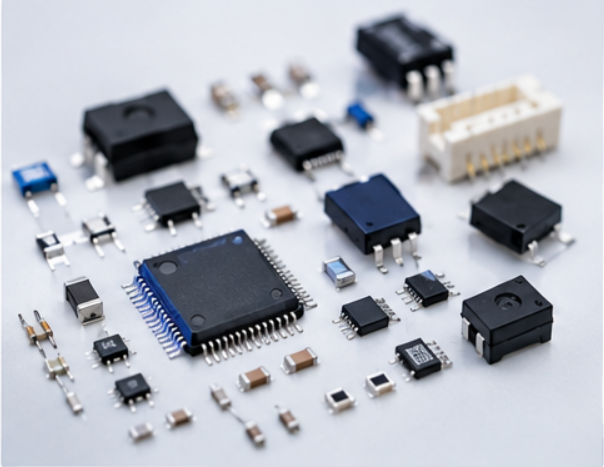
What Does CPH Actually Measure?CPH, or Components Per Hour, indicates how many components a placement machine can theoretically place within one hour under defined test conditions. It is a useful specification for understanding the basic speed capability of an SMT machine. High-speed placement machines are designed to achieve extremely fast component pickup, movement and placement, making high CPH an important factor in high-volume manufacturing. However, the maximum CPH shown in a machine specification is generally achieved under controlled conditions. The actual production environment is much more complex. A real PCB may contain a combination of resistors, capacitors, LEDs, ICs, connectors and other components with different sizes, shapes and package types. The machine may also need to perform vision recognition, change feeders, compensate component positions and adjust its placement strategy according to the product. As a result, the actual placement rate on a specific product can be significantly different from the machine's maximum rated CPH. CPH should therefore be used as a reference for machine capability, not as the only measurement of production output. 1. Component Mix Has a Direct Impact on Placement SpeedNot all components can be placed at the same speed. Small passive components such as 0201 and 0402 devices are typically suitable for high-speed placement. Larger ICs, connectors, odd-form components and other special packages may require different handling and placement processes. The greater the variety of components on a PCB, the more complex the placement sequence can become. For example, a board consisting primarily of small chip components may allow a machine to operate close to its high-speed capability. A board containing a mixture of small passives, ICs and large components may result in a lower effective CPH. This is why two machines with similar specifications can deliver different production results on the same product. For manufacturers using increasingly miniaturized components, high-speed placement also needs to be supported by:
High speed is valuable only when it can be maintained with stable and accurate placement. 2. PCB Layout Can Affect Actual Machine Throughput
The PCB itself is another important factor. Two PCBs may contain the same number of components but have completely different layouts. If components are concentrated in a relatively compact area, the placement head may have a more efficient movement path. If components are distributed across different areas of the PCB, the machine may need to travel farther between placement points. Component locations, board dimensions, panelization and placement sequence can all affect machine movement and cycle time. This means that the same SMT placement machine can achieve different effective CPH values on different products. For this reason, manufacturers should avoid evaluating machine capacity based solely on a generic speed specification. The most meaningful production test is one based on the customer's actual PCB and component list. 3. Vision Processing Is Critical to High-Speed Placement
High-speed placement requires more than fast mechanical movement. The machine must also accurately recognize components and PCB reference points within a very short cycle time. A modern SMT placement machine uses vision systems to identify component position, orientation and other characteristics before placement. The machine then uses this information to compensate for positioning deviations and achieve accurate placement. This becomes particularly important when handling miniature components. If vision processing is too slow, it can become a bottleneck in the placement cycle. If recognition accuracy is insufficient, placement defects may increase. Therefore, when evaluating a high-speed pick-and-place machine, manufacturers should consider the entire motion and vision system rather than looking at placement speed alone. Speed determines the potential; vision and accuracy determine how effectively that potential can be used. 4. Feeder Performance Can Influence Production Efficiency
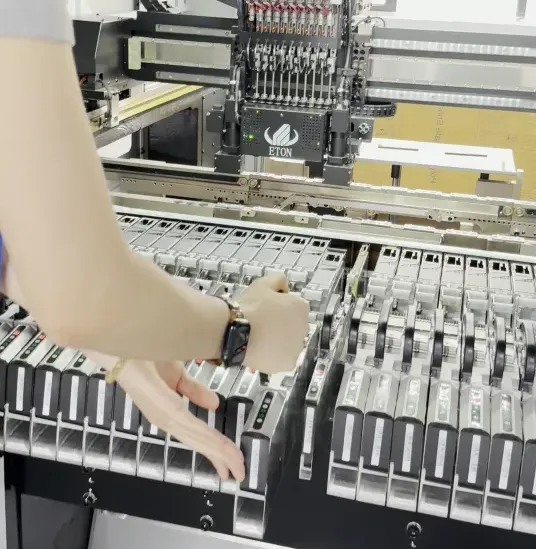
Feeders are another essential part of the SMT placement process. A placement machine can only maintain high productivity when components are supplied consistently and reliably. Feeder-related issues such as component feeding errors, insufficient material supply or frequent replenishment can interrupt production and reduce effective machine utilization. This becomes even more important in high-mix production environments, where a large number of component types may be required. Manufacturers should therefore consider:
A machine with an impressive rated CPH may not deliver the expected output if its material feeding and replenishment process creates frequent interruptions. Placement speed and material supply efficiency need to work together. 5. Changeover Time Matters in Real Production
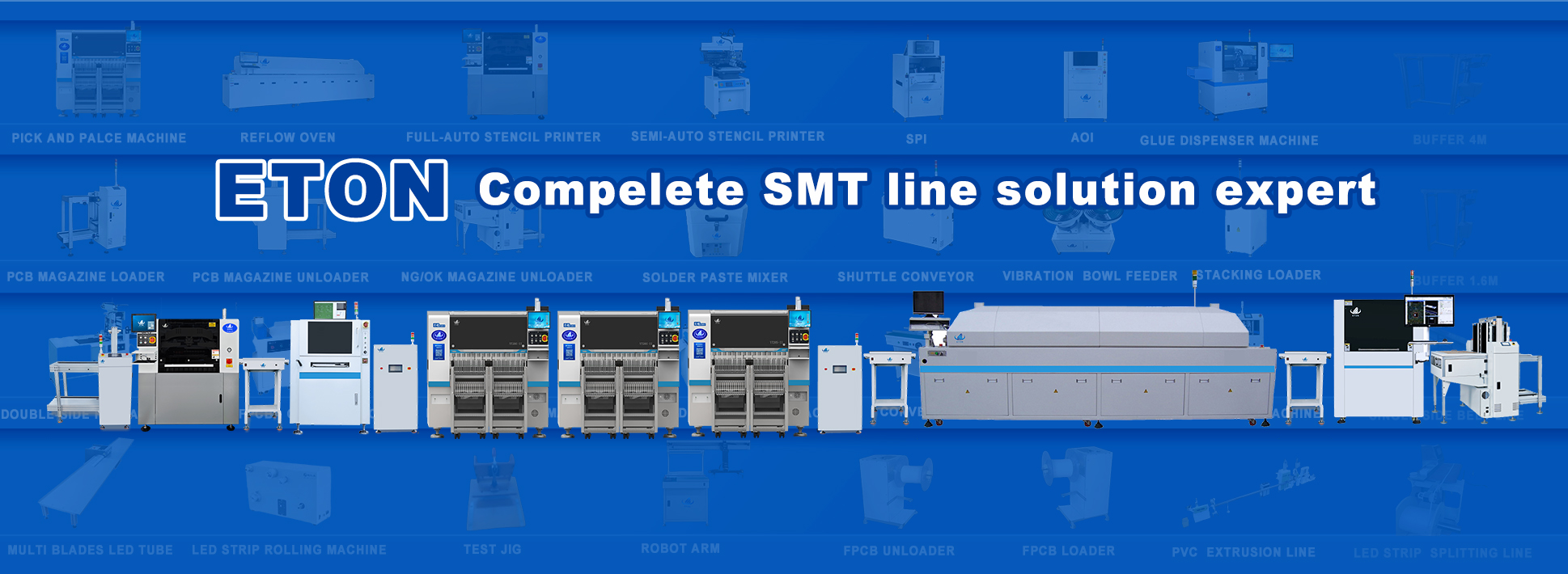
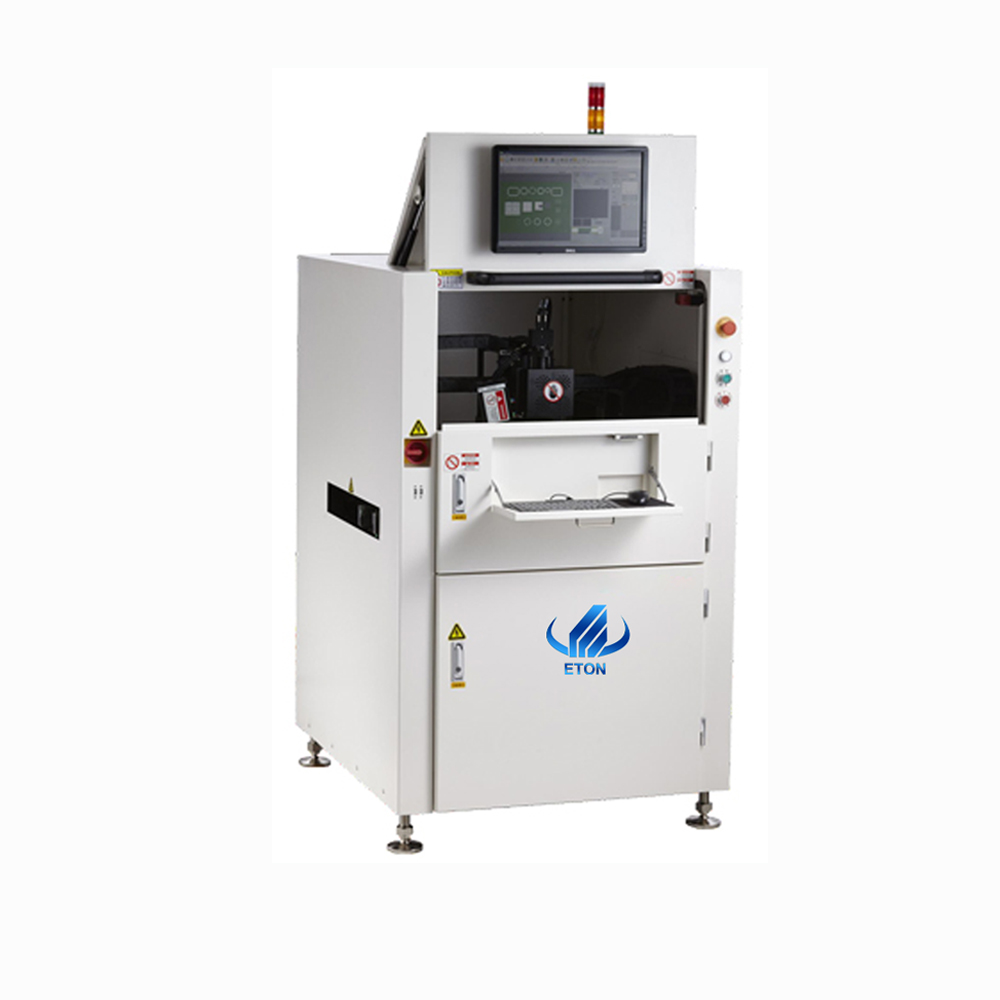
Maximum CPH is usually measured during continuous placement. Actual factories, however, often need to manufacture multiple products. When production changes from one PCB model to another, operators may need to change feeders, materials and production programs. Depending on the product mix, these changeovers can consume a significant amount of production time. For high-volume, single-product manufacturing, maximum placement speed may have a greater impact on output. For high-mix manufacturing, however, changeover efficiency can be just as important as maximum CPH. A slightly slower machine with faster and more efficient product changeovers may ultimately deliver higher daily output than a faster machine that requires significantly more setup time. 6. Machine Stability Directly Affects Effective CapacityNo SMT production line operates under perfectly ideal conditions 24 hours a day. Component pickup errors, nozzle issues, feeder alarms, PCB positioning problems, machine alarms and maintenance can all reduce machine availability. This creates an important distinction between three different concepts: Rated CPH → Actual Running Speed → Effective Production Output A machine may have a rated capacity of 400,000 CPH, but its actual production speed may be lower depending on the product. If downtime, material replenishment and other interruptions are also taken into account, the effective output will be lower again. For manufacturers, the final number that matters is not how many placement actions the machine can theoretically perform, but how many qualified products it can consistently produce. 7. Placement Accuracy and Production Yield Cannot Be IgnoredSpeed alone does not create value. If a machine operates at extremely high speed but produces excessive placement errors, the additional output may be offset by inspection, rework and scrap. Placement accuracy is particularly important for miniature components and high-density PCB assemblies. A reliable SMT placement machine needs to balance: Speed + Accuracy + Stability + Yield These factors work together to determine the actual productivity of the production line. For many manufacturers, a machine that maintains stable placement accuracy and high first-pass yield can provide greater overall value than a machine that achieves a higher peak CPH but requires frequent intervention. How Should You Evaluate the Actual Capacity of an SMT Machine?Instead of asking only, “What is the maximum CPH?”, manufacturers should evaluate the machine under their own production conditions. 1. Test With Your Actual PCBProvide the supplier with the actual PCB data, BOM and component information. A production test based on the customer's real product can provide much more meaningful data than a generic specification sheet. 2. Compare Actual Placement TimeAsk for the actual placement cycle time on your product rather than relying only on the maximum rated speed. 3. Evaluate Accuracy and RepeatabilityFor applications involving 0201, 01005 or other high-density components, placement accuracy and repeatability should be evaluated alongside speed. 4. Consider Machine UtilizationLook beyond the theoretical running speed and consider downtime, material replenishment, alarms and maintenance. 5. Evaluate Changeover EfficiencyIf the factory produces multiple PCB models, setup and changeover time can have a significant impact on daily output. 6. Consider the Entire SMT LineThe pick-and-place machine is only one part of an SMT production line. The printer, SPI, placement machine, reflow oven, AOI and material handling equipment need to be properly balanced. If another process becomes a bottleneck, increasing the CPH of the placement machine alone will not necessarily increase the output of the entire line. A Simple Way to Think About Actual Production CapacityA practical way to understand the difference between rated speed and effective output is: Effective Production Capacity ≈ Actual Placement Speed × Operating Efficiency × Machine Utilization × Yield This is not intended as a universal production formula, because actual capacity calculations vary depending on the production environment and measurement method. However, it illustrates an important principle: A higher rated CPH does not automatically result in higher effective production output. For example, a machine rated at 400,000 CPH may not outperform a machine rated at 300,000 CPH if the first machine requires more frequent changeovers, experiences more downtime or cannot maintain the required accuracy and yield on the customer's product. The best machine is therefore not necessarily the one with the highest number on the specification sheet. It is the machine that delivers the best real production performance for the specific application. From Rated CPH to Real Production PerformanceCPH remains an important specification when selecting an SMT pick-and-place machine. However, it should be considered together with the factors that determine real production performance. When comparing SMT machines, manufacturers should look beyond the headline number and ask:
These questions provide a much clearer picture of the machine's real manufacturing capability. The goal is not simply to achieve a higher CPH. The goal is to produce more qualified products, consistently and efficiently. ETON: SMT Solutions Based on Real Production Requirements
As an SMT equipment and automation solution provider, ETON focuses on more than the maximum speed listed on a specification sheet. Different applications have different production requirements. LED lighting, displays, consumer electronics, home appliances and new energy electronics may require different combinations of placement speed, accuracy, component compatibility and production flexibility. A suitable SMT solution should therefore be evaluated based on the actual PCB, BOM, target output and manufacturing process. By analyzing real production requirements and matching equipment configuration to the application, manufacturers can build an SMT line that is designed not only for high-speed placement, but also for stable and efficient long-term production. Because real production capacity is more than a number on a specification sheet. If you are evaluating a new SMT pick-and-place machine, share your PCB, BOM and target production capacity with our team. A product-based evaluation can provide a more realistic picture of the machine's potential performance for your application. Real Production. Real Data. Real Capacity. |
Why Rated CPH Does Not Always Equal Actual Production Capacity in SMT
14 अक्तू॰ 2026 ETON