|
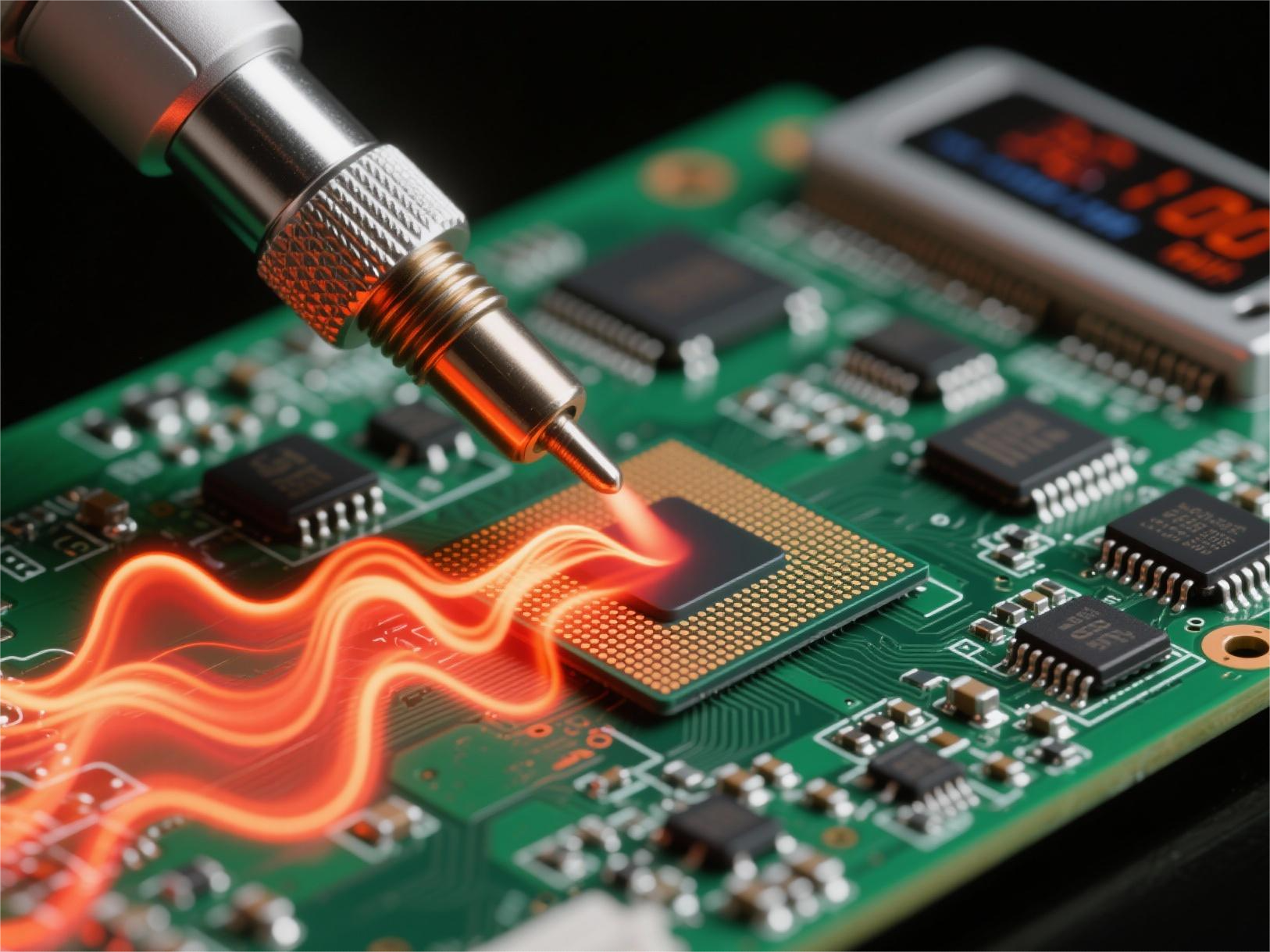
1.The Art of Repair in the Microelectronics Era: An In-Depth Analysis and Practical Expansion of Hot Air Rework Technology With the increasing sophistication of electronic devices, a chip the size of a grain of rice may contain millions of transistors, and the solder joints connecting these chips to the circuit boards are so tiny that they are difficult to discern with the naked eye. Hot air soldering technology has become an indispensable process for the soldering and repair of these delicate structures. From smartphone camera modules to automotive electronic control units, both production and maintenance rely on precise hot air rework technology. As electronic component packaging continues to shrink, pin pitches are becoming increasingly fine (from the early 0.8mm to today's 0.3mm or even 0.2mm). Traditional soldering tools are no longer able to meet the demands of modern electronics manufacturing and repair. Hot air rework technology, using controlled high-temperature airflow, enables non-destructive desoldering of micro-components, making it a key technology in the electronics repair field.
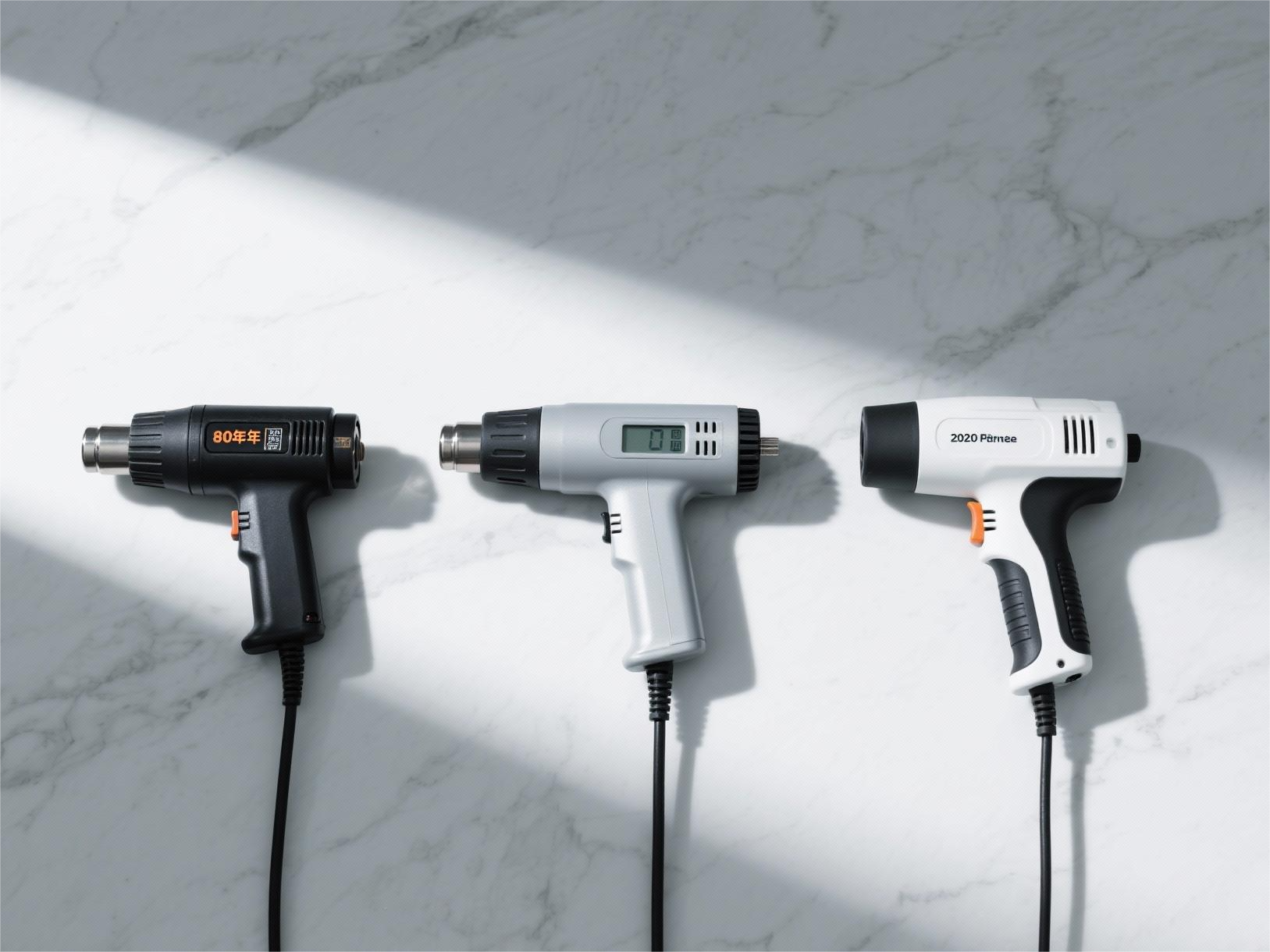
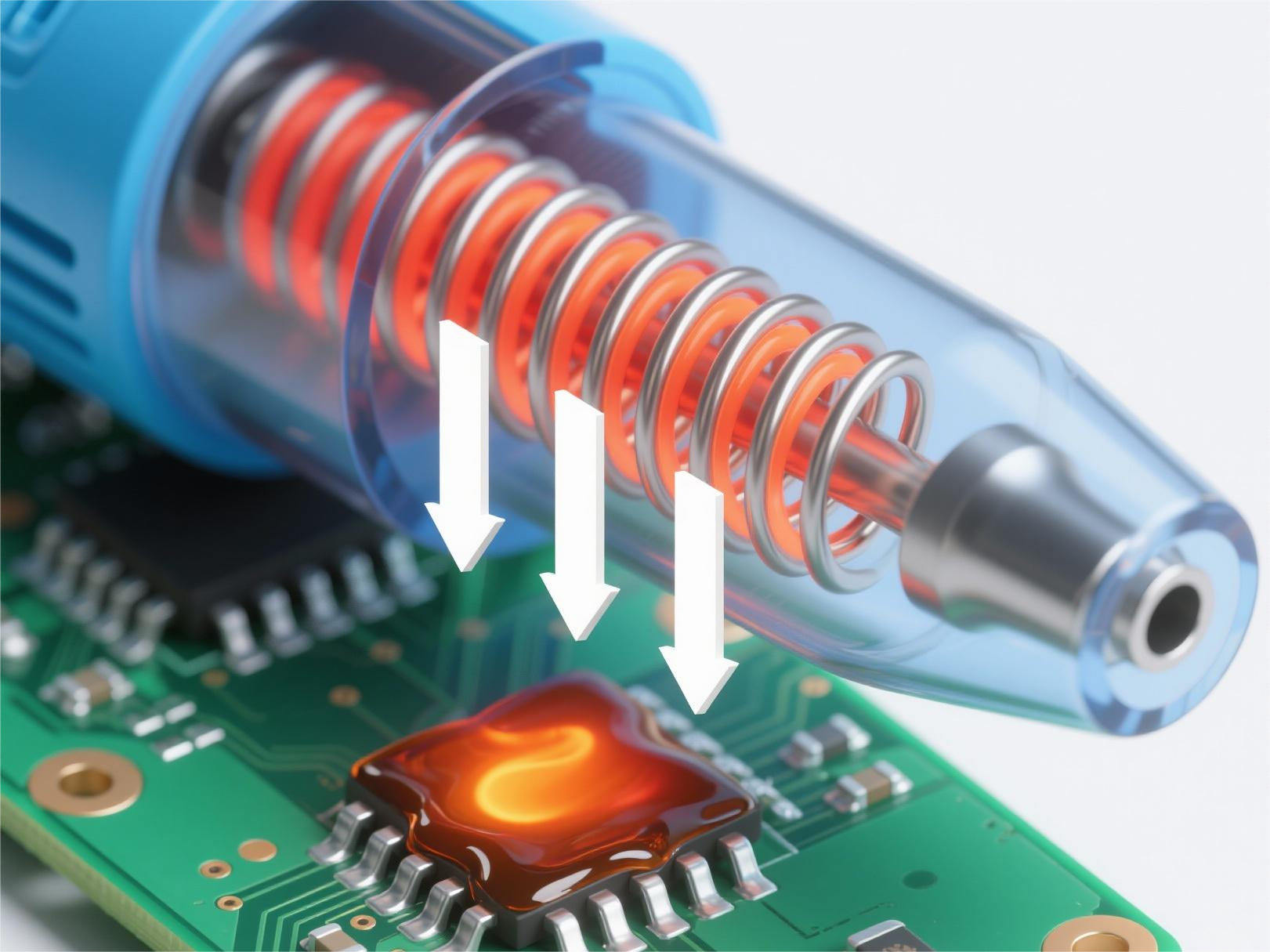
2.Overview of Hot Air Rework Technology: From Simple Tools to Precision Systems What is Hot Air Rework Technology? Hot air rework stations are core equipment in modern electronics repair. They generate high-temperature, controlled airflow (typically adjustable between 200-500°C) to locally heat solder joints, melting the solder and enabling component assembly and disassembly. Unlike traditional soldering irons, hot air rework utilizes non-contact heating, enabling simultaneous processing of multiple solder joints and making it particularly suitable for multi-pin components (such as QFPs, BGAs, and LGAs). These systems typically consist of a heating unit, airflow control system, temperature monitoring system, and nozzles of various specifications. Advanced models also integrate a bottom preheating station, vacuum pens, and optical alignment systems, enabling processing of challenging packages such as BGA chips. The nozzle, as the key carrier of hot air, has a significant impact on heating uniformity and component protection. Currently, mainstream nozzle materials fall into three categories: Ceramic nozzles offer stable thermal conductivity and high-temperature resistance (long-term resistance above 500°C), low thermal inertia, and rapid response to temperature adjustments, making them suitable for components such as BGAs that require extremely high temperature uniformity. Stainless steel nozzles offer high strength, resistance to deformation, and strong impact resistance, making them commonly used for rework of common surface-mount components (such as resistors, capacitors, and SOIC packaged chips). Teflon-coated nozzles reduce solder sticking and prevent solder residue from clogging the nozzle during desoldering, making them particularly suitable for components such as QFPs (quad flat packages) with densely packed pins and prone to solder accumulation. The nozzle shape is also highly targeted: round nozzles (1-5mm diameter) are suitable for single chip components or 01005/0201 ultra-miniature capacitors and resistors, precisely focusing the hot air. Square nozzles (3-10mm side length) match the pinout of QFPs, ensuring simultaneous heating of all four solder joints. Horseshoe-shaped nozzles are specifically designed for SOICs (small outline integrated circuits), avoiding adjacent components for localized heating and minimizing impact on surrounding devices. Routine maintenance of the nozzle is also crucial. After each use, use a high-temperature-resistant brush (such as a nylon brush) to clean residual flux residue from the inner surface. Residue accumulation can disrupt airflow and cause localized overheating, which can cause irreversible damage to miniature components like 01005. Technology Development History Hot air rework technology has evolved from the simple hot gun soldering tool. Early hot air guns were simple, often using a mechanical knob for temperature control. Temperature tolerances could reach ±30°C, and the airflow control was limited to three settings: high, medium, and low. This made them incapable of precisely adapting to different components. Furthermore, the heating elements were often ordinary alloy wire, which heated up slowly and had a short lifespan (typically less than 1,000 hours), making them suitable only for rough desoldering of large components (such as DIP chips). Modern digital hot air rework stations have undergone comprehensive upgrades: they utilize a microcomputer control chip and high-precision thermocouples (response time ≤ 0.5 seconds) to create a closed temperature loop, achieving temperature control accuracy of ±3°C. The heating elements have been upgraded to PTC heaters or nano-alloy heating wires. PTC heaters have a self-limiting temperature feature, eliminating the risk of dry heating and offering a lifespan of over 5,000 hours, making them suitable for long-term, stable operation. Nano-alloy heating wires (such as nickel-chromium-iron alloys) heat up 30% faster, reaching 300°C from room temperature in 3 seconds, making them ideal for rapid desoldering. In addition, high-end equipment also incorporates "airflow compensation" technology. When the air nozzle is close to the PCB board, the system will automatically fine-tune the fan speed to maintain stable outlet airflow and avoid temperature fluctuations due to distance changes. 3.Core Technology and Operating Principles of Hot Air Rework Stations Temperature Control Technology Modern hot air rework stations utilize an advanced PID (Proportional-Integral-Derivative) temperature control algorithm, capable of real-time correction for temperature deviations and achieving control accuracy of ±3°C. The temperature control range is typically 100°C-450°C, with some industrial-grade equipment extending this range to 600°C to accommodate high-temperature solders (such as silver-based solder, which has a melting point of approximately 450°C). A precision thermocouple (typically installed 1mm inside the nozzle) monitors the outlet temperature in real time, providing data feedback at a rate of up to 10 times per second. A microprocessor adjusts the heating element power to ensure temperature stability. The equipment also has pre-set temperature control modes for different solder types. For example, lead-free solder (such as SAC305, melting point 217°C) requires a higher peak temperature (typically 10-20°C higher than lead-based solder), so the system automatically sets the reflow zone temperature to 230-250°C. Low-temperature solder (such as bismuth-based solder, melting point 138°C) requires a lower peak temperature of 180-200°C to prevent component damage from high temperatures. Airflow Control System Airflow control is another key factor in hot air rework technology. Modern equipment uses brushless DC fans, which offer advantages over traditional brushed fans: lower noise (typically less than 45dB, equivalent to the volume of a normal conversation), longer life (up to 10,000 hours), and more stable airflow. The airflow rate can be adjusted from 10-120 liters/minute to accommodate components of varying sizes. When desoldering micro 01005 components, adjust the airflow to 10-20 liters/minute to prevent excessive airflow from blowing away components. When rework BGA chips, increase the airflow to 80-120 liters/minute to ensure the hot air penetrates the bottom of the chip and evenly heats all solder joints. Some high-end equipment also incorporates "hot air rectification" technology. This uses internal guide structures (such as honeycomb filters) to transform turbulent airflow into laminar flow, reducing impact on the PCB and improving heat transfer efficiency. Experimental data shows that equipment using rectification technology can improve solder joint temperature uniformity by 25%, significantly reducing the risk of localized overheating. Heat Transfer Mechanism Hot air rework primarily transfers heat through convection and conduction. The high-temperature airflow first heats the PCB and component surfaces to a preheat temperature through convection. The heat is then transferred to the solder joints through conduction, gradually melting the solder. A high-quality hot air rework station achieves rapid and uniform heat transfer through a "stepped heating" design: Preheating begins with a low temperature (150-180°C) and high air volume to raise the overall PCB temperature and reduce thermal stress. The temperature is then gradually raised to above the solder melting point to prevent sudden heating that could cause PCB delamination or component cracking. For multi-layer PCBs (such as server motherboards with eight or more layers), hot air rework requires the use of a bottom preheating station. This station uses infrared heating or heat conduction from a hot plate to raise the bottom of the PCB to 120-150°C, keeping the temperature difference between the top and bottom of the PCB within 50°C and preventing board deformation due to differences in thermal expansion coefficients.
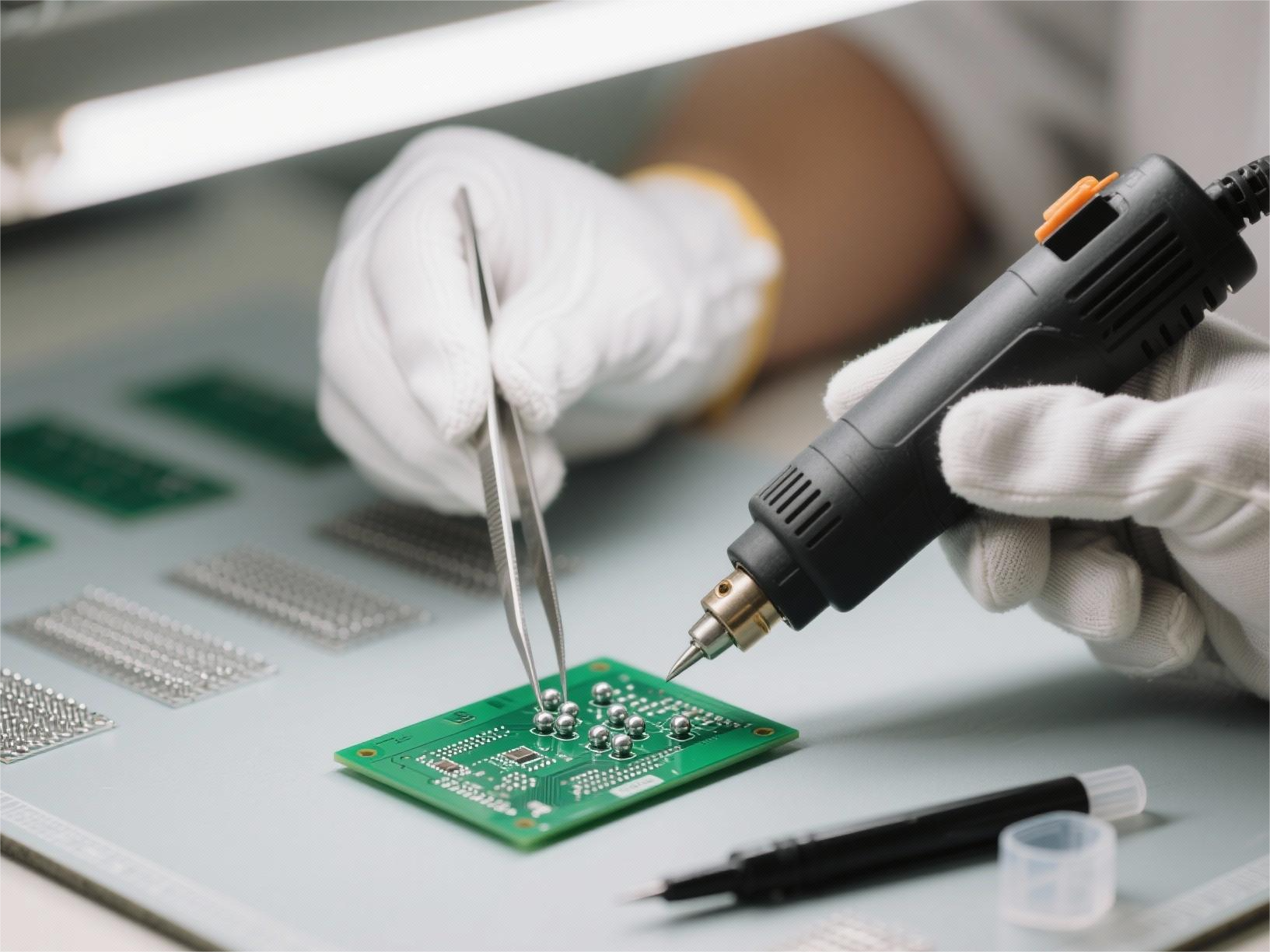
4.Hot Air Repair Technology's Application Scenarios Expand New Energy Vehicle Electronics Repair With the increasing popularity of new energy vehicles, demand for hot air repair technology in automotive electronics repair has grown significantly, with battery management systems (BMS) and onboard chargers (OBC) being the most common repair areas. As the "brain" of the battery pack, the BMS integrates an MCU (microcontroller unit), current sensors, and voltage acquisition chips on its PCB. These components are often packaged in ultra-micro 01005 and 0.4mm pitch QFP packages, making rework extremely challenging. For example, during the rework of a BMS board at an automotive manufacturer, when desoldering an MCU chip (model STM32F4), a 2mm diameter ceramic nozzle is used, with the temperature set to 330-350°C and the air volume adjusted to 15-20L/min. The bottom preheating station temperature is also controlled at 130-140°C. During the heating process, a "circular and slow movement" pattern is used to avoid the nozzle remaining in the same position for extended periods of time. This prevents delamination of the PCB substrate (FR-4) due to exceeding its glass transition temperature (Tg = 130°C). After rework, X-ray inspection of the solder joints for void content (required to be less than 15%) is also required to ensure the accuracy of the BMS current acquisition. Rework of IGBT (insulated-gate bipolar transistor) modules in on-board chargers (OBCs) requires special handling: Thermally conductive adhesive (thermal conductivity ≥ 2W/m·K) is typically applied between the IGBT chip and the PCB. Before rework, the adhesive must be softened using a heat gun at 280-300°C, then gradually raised to 360°C for desoldering. During this process, the IGBT body must be wrapped with thermal tape to prevent overheating and damage to the chip core (maximum temperature resistance 300°C). 5G Base Station RF Module Repair In 5G base station RF modules (such as the active antenna unit (AAU)), the power amplifier (PA) chip and filter are core components and a high-prone area for failure. PA chips are often packaged in a BGA package (such as a 7mm×7mm QFN-BGA), with dense solder joints and close proximity to high-frequency circuitry. This requires extremely precise temperature control during rework. Data from a certain operator's 5G base station maintenance program indicates that PA chip rework requires a three-stage temperature profile: a preheating zone (120-150°C, 60 seconds) to ensure uniform heating of the PCB; a ramping zone (2°C/second to prevent capacitor cracking caused by excessive heating); and a reflow zone (240-250°C, 30 seconds) to ensure sufficient solder melting. Furthermore, a rework station equipped with optical alignment capabilities is required, using a high-definition camera to maintain alignment accuracy between the PA chip and the PCB pad within ±0.05mm to prevent RF signal attenuation caused by pin misalignment (insertion loss requirement ≤0.5dB). Furthermore, the filter in the RF module (mostly made of ceramic) is temperature-sensitive. During rework, it must be completely wrapped with aluminum foil, exposing only the PA chip area to prevent frequency drift caused by high temperatures (over 180°C). 5.Advanced Hot Air Rework Techniques and Safety Standards Post-Rework Quality Inspection Methods The quality of hot air rework directly determines the reliability of electronic devices, making post-rework inspection crucial. In addition to traditional visual inspections (e.g., ensuring pin misalignment and solder joint integrity), specialized equipment is also required for in-depth inspections: 1.X-ray inspection: Used for components without exposed pins, such as BGAs and LGAs, it can identify defects such as voids and cold solder joints within solder joints. Industry standards require a void rate of less than 15% for BGA solder joints. Excessive void rates (e.g., exceeding 20%) require rework and temperature profile adjustments (e.g., extending the reflow zone time by 5-10 seconds). 2.Automated Optical Inspection (AOI): Suitable for components with exposed pins, such as QFPs and SOPs, AOI uses a high-definition camera (resolution ≥ 2 megapixels) to monitor pin-pad alignment. If misalignment exceeds 0.1mm, reheating and fine-tuning the component position are necessary. 3.Functional Testing: For key components (such as MCUs and sensors), functionality must be verified using dedicated test fixtures after rework. For example, after rework, smartphone camera modules must be tested for focus accuracy (error ≤ 0.1mm) and image clarity (resolution ≥ 4K). Safety Operation Specifications Detailed Hot air rework operations involve high temperatures, high voltages, and static electricity, requiring strict adherence to safety regulations covering equipment, personnel, and the environment: 1.Equipment Safety: Before starting up the machine daily, perform "three checks": check the airflow path (use compressed air to clear any obstructions in the nozzle), check temperature accuracy (use a temperature tester to calibrate the nozzle outlet temperature; report any error exceeding ±5°C), and check the anti-static grounding (ground resistance ≤ 1Ω). If the equipment exhibits abnormalities such as a sudden temperature rise or airflow interruption, immediately disconnect the power supply to prevent overload and damage to the heating unit. 2.Personnel Protection: Operators must wear an anti-static wrist strap (grounding resistance 1MΩ-10MΩ), high-temperature gloves resistant above 300°C (such as aramid, with a maximum temperature resistance of 500°C), and infrared goggles (blocking infrared wavelengths of 800-1400nm to prevent retinal damage). When handling heated components, use tweezers rather than bare hands to prevent burns. 3.Environmental Requirements: The operating area must be equipped with a local fume exhaust system. The exhaust vent should be located 15-20cm above the nozzle, with a controlled air speed of 0.8-1m/s. This system should effectively exhaust gases such as rosin acid and carbon dioxide generated by flux volatilization, complying with the "Occupational Exposure Limits for Hazardous Factors in the Workplace" (GBZ 2.1-2019), which requires a time-weighted average permissible concentration of organic vapors ≤ 50mg/m³. In addition, the operating area must be kept away from flammable materials (such as alcohol and rosin blocks) and equipped with a carbon dioxide fire extinguisher (fire extinguishing level 21B). If a fire is caused by solder splashing, it is strictly forbidden to use water to extinguish the fire to prevent PCB short circuits or heating unit explosions.
6.Future Trends in Hot Air Rework Technology: Digital Twins and Modular Innovation As electronic devices evolve toward smaller, denser, and smarter designs, hot air rework technology is experiencing a new round of upgrades, with digital twins and modular design becoming key trends. Digital twin technology builds a three-dimensional digital model of the PCB, components, and hot air field, enabling "preview optimization" of the rework process. For example, before reworking the motherboard CPU (BGA package, 12mm×12mm) of a certain smartphone model, engineers can input PCB material parameters (such as FR-4's thermal expansion coefficient of 13ppm/°C), component package dimensions, and solder type into the digital twin system. The system simulates the heat distribution under different temperature and air volume parameters and automatically issues a warning: "Local temperatures exceeding 160°C may cause PCB delamination." It also recommends adjustments: increase the bottom preheat temperature to 130°C, reduce the hot air gun temperature to 380°C, and increase the air volume to 100L/min. Pilot data from an electronics manufacturing company shows that after introducing digital twins, the rework failure rate dropped from 8% to 2.3%, while trial-and-error costs were reduced by 50%, significantly improving repair efficiency. The modular hot air rework station, designed to meet the diverse and low-cost needs of small and medium-sized enterprises, utilizes a "basic mainframe + interchangeable functional modules" design. The basic mainframe includes the core temperature control system, airflow system, and touch screen. Users can add various modules to meet their needs: a bottom preheating module (for BGA rework, with a temperature range of 50-200°C), a vacuum pick-up module (with adjustable suction force, suitable for picking and placing 01005 micro-components), and an AOI inspection module (with an integrated 2-megapixel camera for immediate post-rework inspection). Compared to traditional integrated high-end equipment (priced over 50,000 yuan), modular equipment reduces costs by 30%-40% and offers greater flexibility. For example, a repair shop can install a hot air gun module in the morning to process consumer electronics and a bottom preheating module in the afternoon to repair industrial PCBs. This eliminates the need to purchase multiple units and significantly reduces the investment barrier. In addition, green technologies are gradually being incorporated into hot air rework equipment. For example, some equipment utilizes a "waste heat recovery" design, which uses waste heat from the heating unit to preheat the intake air, reducing energy consumption by 15%-20%. Flux collection systems use high-efficiency filters (≥95% filtration efficiency) to recover volatilized flux residue, reducing hazardous waste emissions and complying with global ESG (Environmental, Social, and Governance) standards.
7.Conclusion: The Art of Balancing Precision and Reliability Hot air rework technology has evolved from a simple hot air gun tool to a sophisticated system with integrated digital twins and modular design, becoming an invisible cornerstone of electronics manufacturing and repair. Hot air rework on millimeter-scale PCBs is not just a technical skill but a balancing act—precisely removing faulty components while protecting surrounding microdevices; meeting the high temperatures of lead-free solder while avoiding thermal damage to the PCB; and improving repair efficiency while ensuring long-term equipment reliability. With the widespread adoption of technologies like 5G, new energy vehicles, and artificial intelligence, the complexity of electronic devices will continue to increase, placing even higher demands on hot air rework technology. Engineers and technicians who master this technique will continue to explore the "art of microelectronics repair," using precise temperature control, stable airflow regulation, and innovative technical methods to support the normal operation and technological innovation of electronic devices worldwide, injecting continuous momentum into the development of the microelectronics era. |
Hot Air Rework Technology: The Art of Precision Soldering and Component Repair
2025. szept. 3. eton