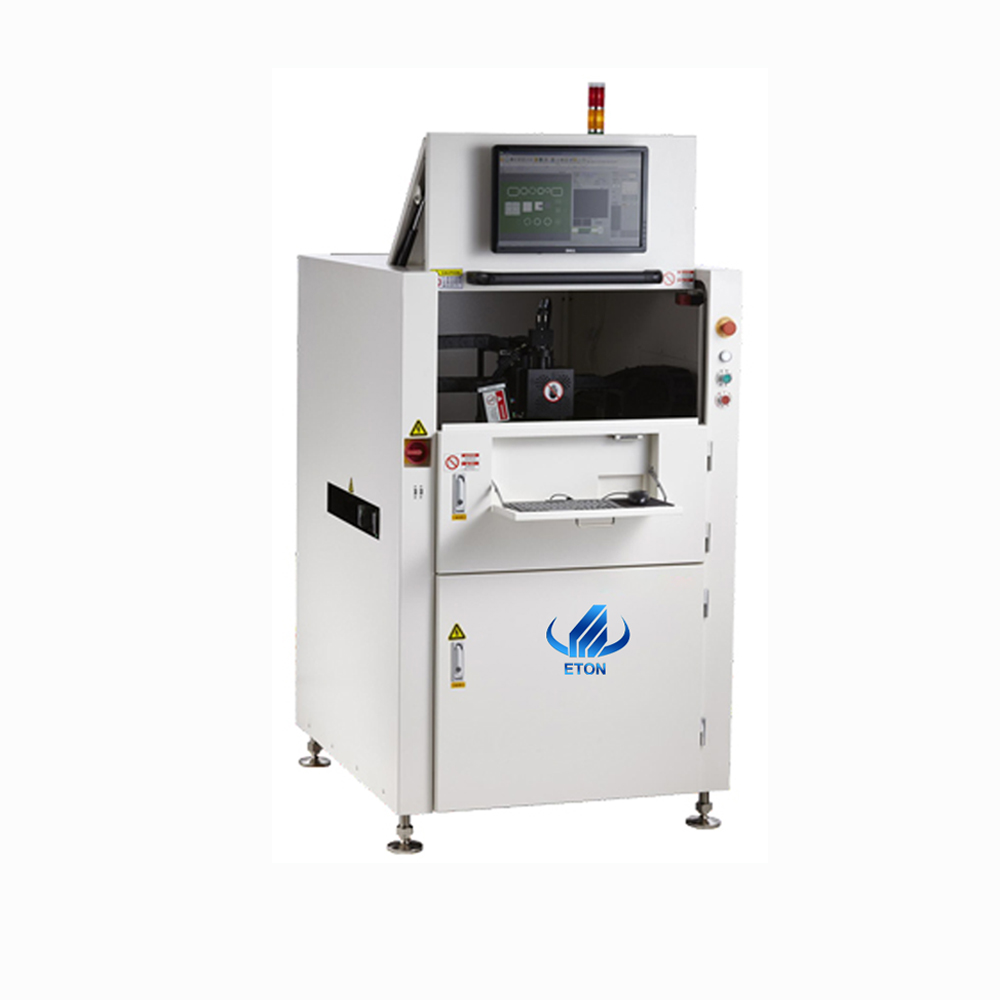
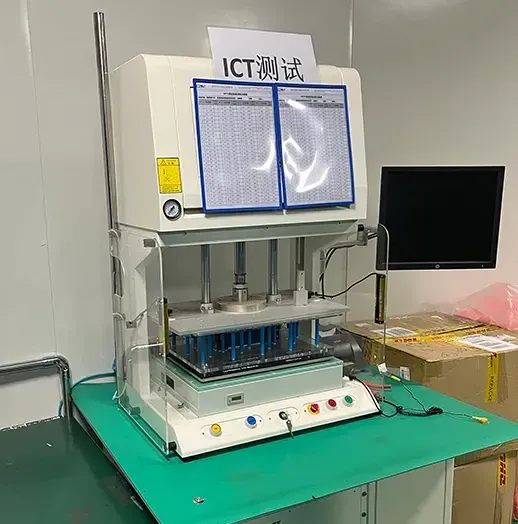
ICT Test in PCB Assembly: What It Is, and When It Actually Pays OffIn most SMT factories, test is where reality shows up. A board can look perfect under AOI and still fail later. That’s exactly where ICT (In-Circuit Test) earns its place: it finds electrical problems fast, before you waste time chasing ghosts at functional test. This article keeps it practical—what ICT checks well, what it doesn’t, and how to decide if it’s worth building a fixture for your product.
ICT vs Flying Probe vs AOI vs FCT (what each one is best at)ICT vs Flying ProbeIf you do low volume / lots of revisions, flying probe can be the smarter starting point—no fixture, flexible programming, slower cycle time. If you do stable design / higher volume, ICT wins on speed and repeatability. Fixture cost spreads out over output. ICT vs AOIAOI is great for visible issues: missing parts, polarity, solder appearance. They’re complementary. In many lines the best combo is AOI first, ICT next. ICT vs Functional Test (FCT)FCT answers “does it work.” If your FCT station is getting overloaded with “simple manufacturing mistakes,” adding or improving ICT often cleans that up quickly. When ICT makes sense (quick decision logic)ICT tends to be worth it when:
ICT is less attractive when:
A simple factory-style rule: DFT: the part that decides your ICT outcomeICT lives or dies on DFT (Design for Test). The board needs probing access. That means:
If DFT is weak, even the best tester won’t save you—you’ll be testing a board you can’t touch. Where ICT usually sits in an SMT lineA common flow: Printer → (SPI) → Pick & Place → Reflow → AOI → ICT/Flying Probe → (FCT) → Pack
ICT often sits after AOI so you don’t waste fixture time on boards with obvious visual defects. Fixture cost vs ROI: what people forget to calculatePeople see “fixture cost” and stop there. The better comparison is:
If you run thousands of boards, a fixture can pay back faster than most expect—especially when it cuts repeat failures that waste hours every shift. Practical FAQCan ICT test BGA boards? Does ICT replace AOI? If you’re planning a test strategy for a new product or line upgrade, start from your product mix (volume + revision frequency) and DFT quality. That usually tells you whether ICT should be fixture-based, flying-probe-first, or combined.
|
ICT Test in PCB Assembly: What It Is & When to Use It
2026. jan. 23. Kay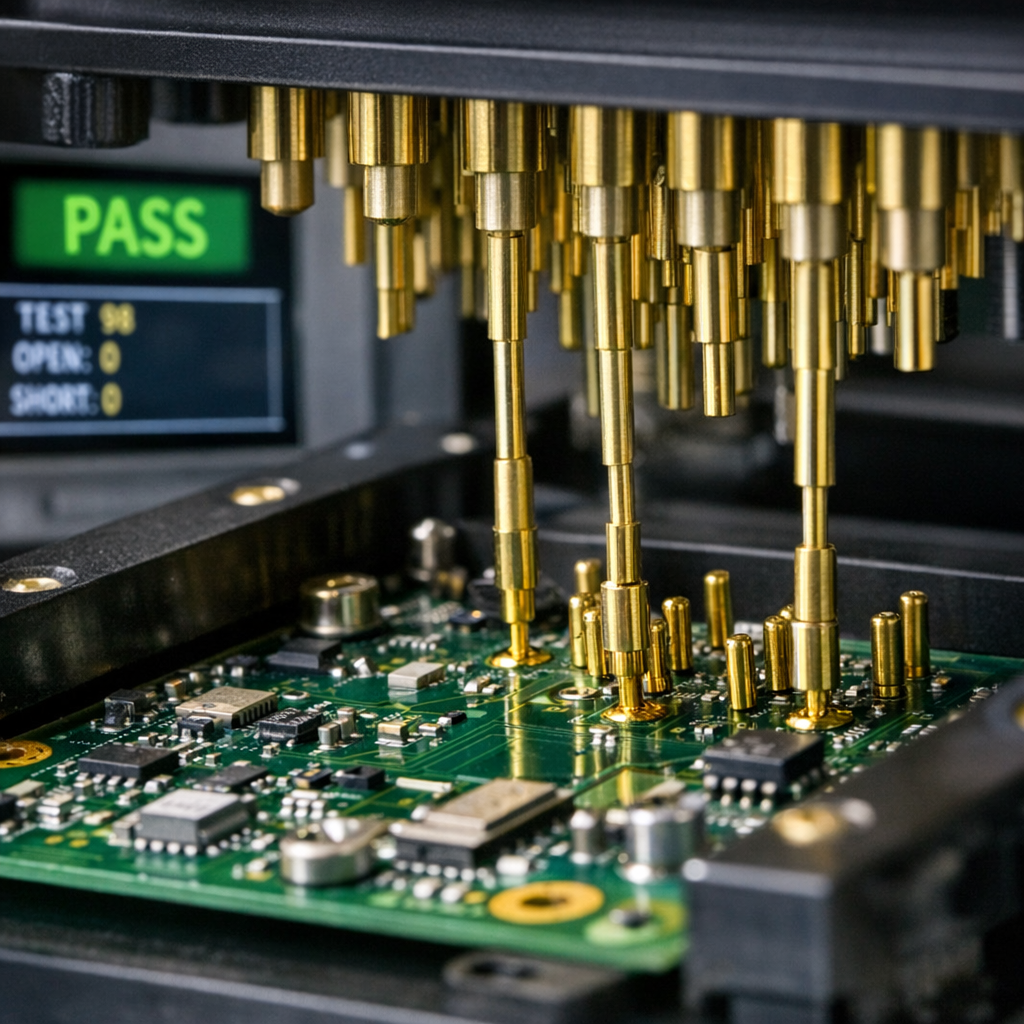
-0.jpeg?w=2245&h=586)