|
In the world of modern electronics, miniaturization is an unstoppable trend. When you marvel at the slimness of a smartphone or the intricacy of a smartwatch, have you ever wondered what allows such complex functionality to be condensed into such a small space? One of the key answers lies in those electronic components so small they are almost invisible – among which, the 0201 component plays a vital role.
This article will take you deep into this micro-soldering world, unveiling the challenges, technologies, and art behind placing 0201 components.
I.What is an 0201 Component? Understanding the "Micron World" in Your Hand
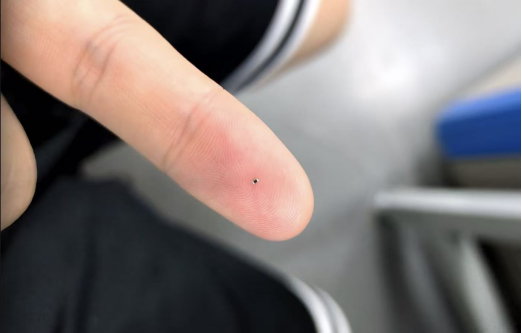
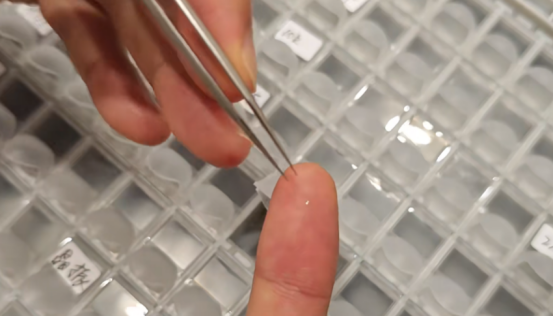
First, let's establish a sense of scale. The term "0201" refers to the component's length and width in inches.
- Dimensions: 0.02 inches x 0.01 inches.
- Metric Dimensions: 0.6 mm x 0.3 mm.
- A Vivid Analogy: An 0201 component is about the size of a grain of fine sand, or about 2 - 3 times the diameter of a human hair. Imagine placing hundreds or thousands of these "fine sands" accurately onto a circuit board the size of a fingernail – this is the daily reality of modern SMT placement technology.
II.Core Challenges of Placing 0201 Components
The journey from "can place" to "places well" is fraught with significant challenges. Any tiny deviation can lead to the failure of the entire PCB.
1.Tombstoning
- Phenomenon: One end of the component lifts off the pad and stands upright, like a tombstone.
- Cause: This is the most classic issue in 0201 placement. It occurs mainly due to uneven solder paste volume on the two pads, differences in thermal mass, or placement misalignment. During reflow soldering, the unbalanced surface tension on the two pads "pulls" the component upright.
2.Flying and Shifting
- Flying: Components are not placed accurately during the process, or even "disappear."
- Shifting: Components move before or during the reflow soldering process.
- Causes: Inadequate placement machine accuracy, incorrect nozzle selection, poor pad design, or insufficient solder paste tackiness.
3.Solder Bridging and Solder Balls
- Bridging: Due to the extremely fine pitch between pads, excessive solder paste can cause short circuits between adjacent pads.
- Solder Balls: Solvents in the solder paste can splatter under high temperatures, forming tiny solder spheres that may cause circuit shorts.
III. Conquering 0201: Key Processes and Technical Essentials
Stably mastering 0201 requires precise control throughout the entire process, from design to production.
- PCB Design Phase:Laying the Foundation for Precision
- Pad Design: Must strictly follow the recommended dimensions in the component datasheet. An optimized pad design is half the battle won, effectively preventing tombstoning.
- Stencil Aperture: This is key to controlling solder paste volume. Micro-sized or trapezoidal openings are typically used to ensure precise solder paste deposition, neither too little nor too much.
- Solder Paste Printing:"Painting" at the Micron Level
- Solder Paste Type: Type 4 or Type 5 fine - powder solder paste is recommended. Its smaller particle size is more suitable for fine - pitch printing.
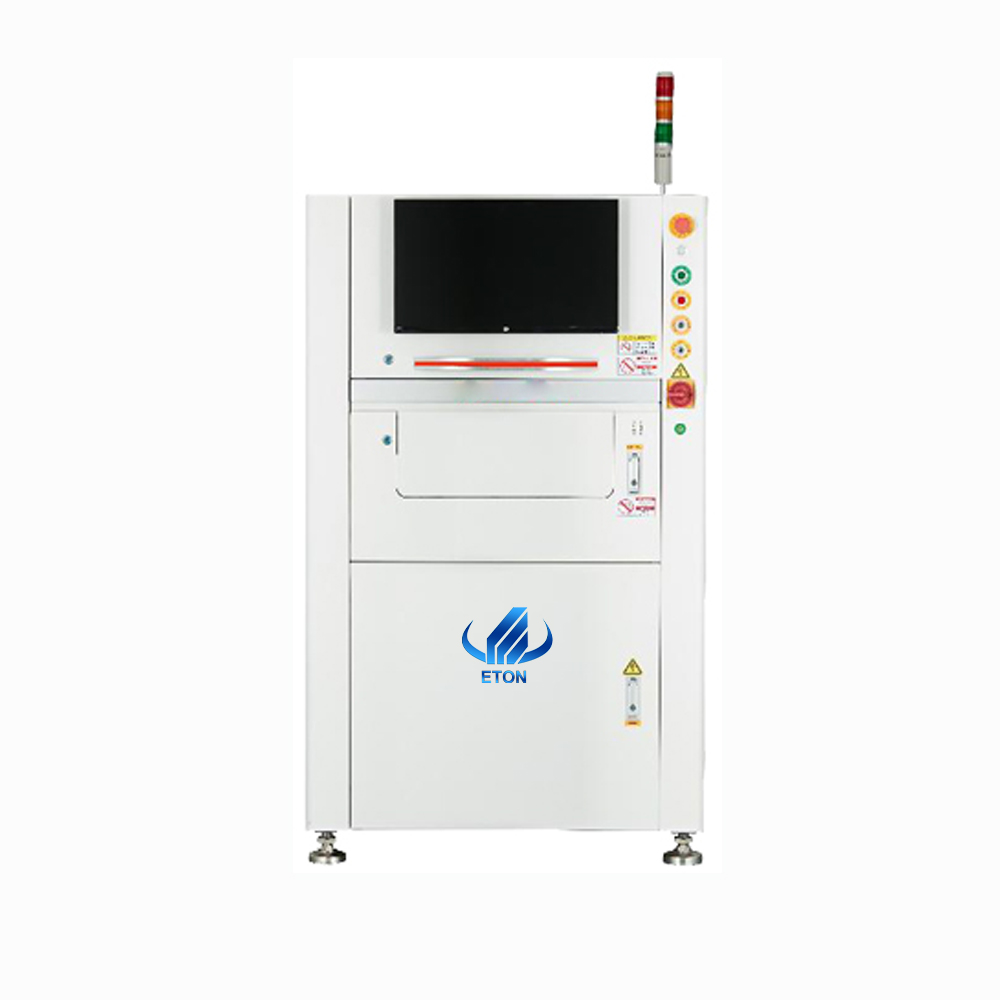
- Printing Accuracy: Fully automatic optical alignment printers are mandatory, ensuring each layer of paste is deposited flawlessly.
- Pick and Place Machine:The Ultimate Test of Accuracy and Stability
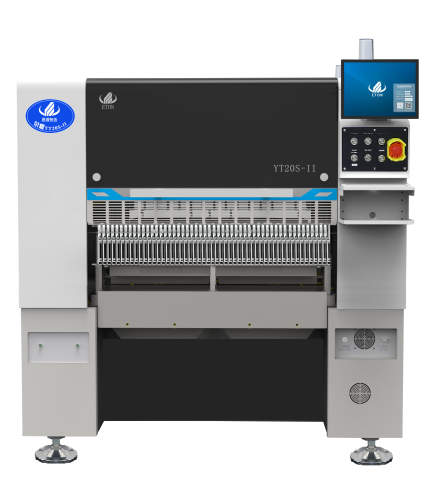
- Placement Accuracy: A placement machine capable of consistently achieving ±25µm or higher accuracy is essential.
- Vision System: High - resolution upward and downward vision systems are the "eagle eyes." The upward camera must accurately identify the tiny 0201 components, and the downward camera must precisely locate the PCB's fiducial marks.
- Nozzles and Feeders:
Nozzles: Ultra - small diameter nozzles specifically designed for 0201 components must be used. The material should be anti - static and kept impeccably clean.
Feeders: High - precision electric feeders ensure smooth and accurate component feeding, preventing components from flipping or jamming during the process.
- Reflow Soldering:The Precise Dance of Heat
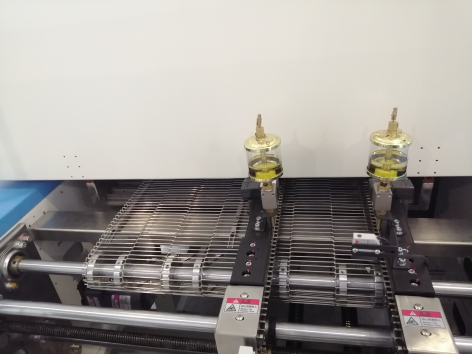
- Reflow Profile: This is the artistic part. The temperature and time for the preheat, soak, reflow, and cooling zones must be meticulously set.
Too rapid heating can cause solder balls.
Uneven heating can lead to tombstoning.
- A gentle and uniform reflow profile is the final, yet crucial, barrier ensuring the soldering reliability of 0201 components.
- Inspection and Quality Control:The Indispensable "Watchful Eye"
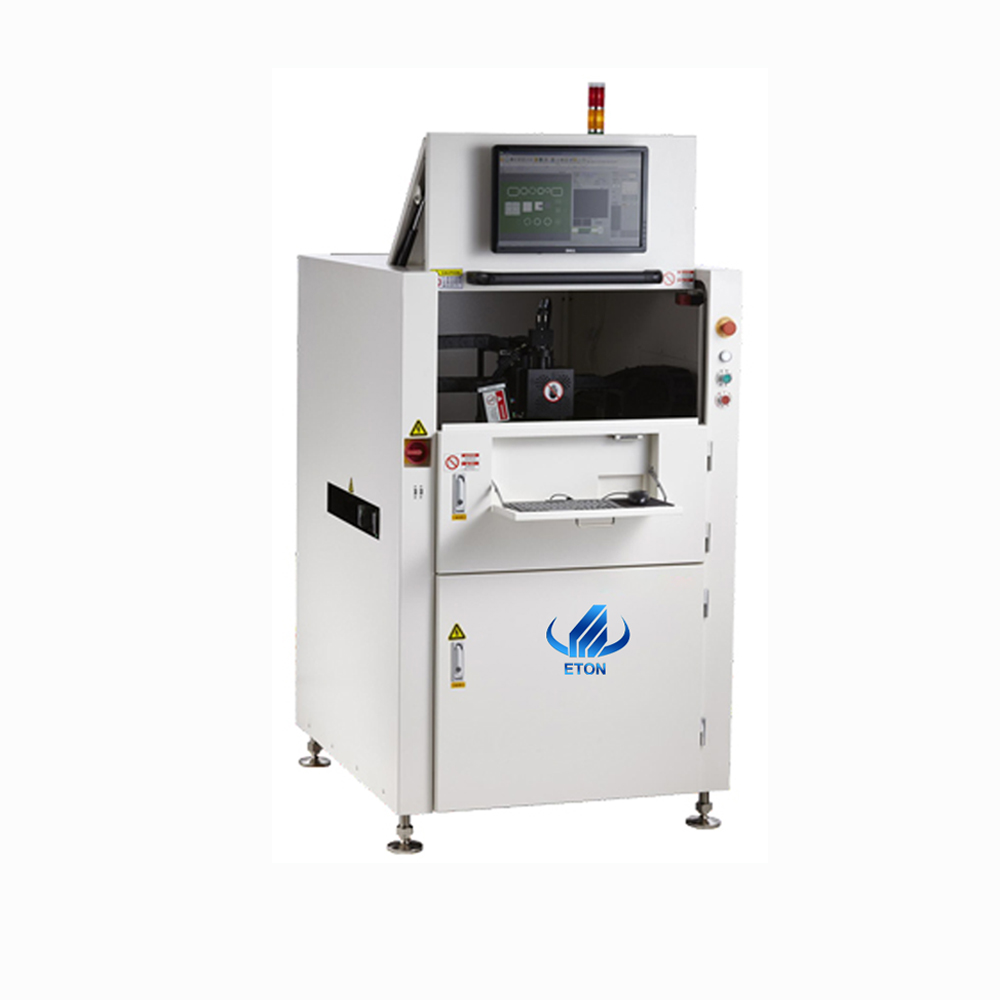
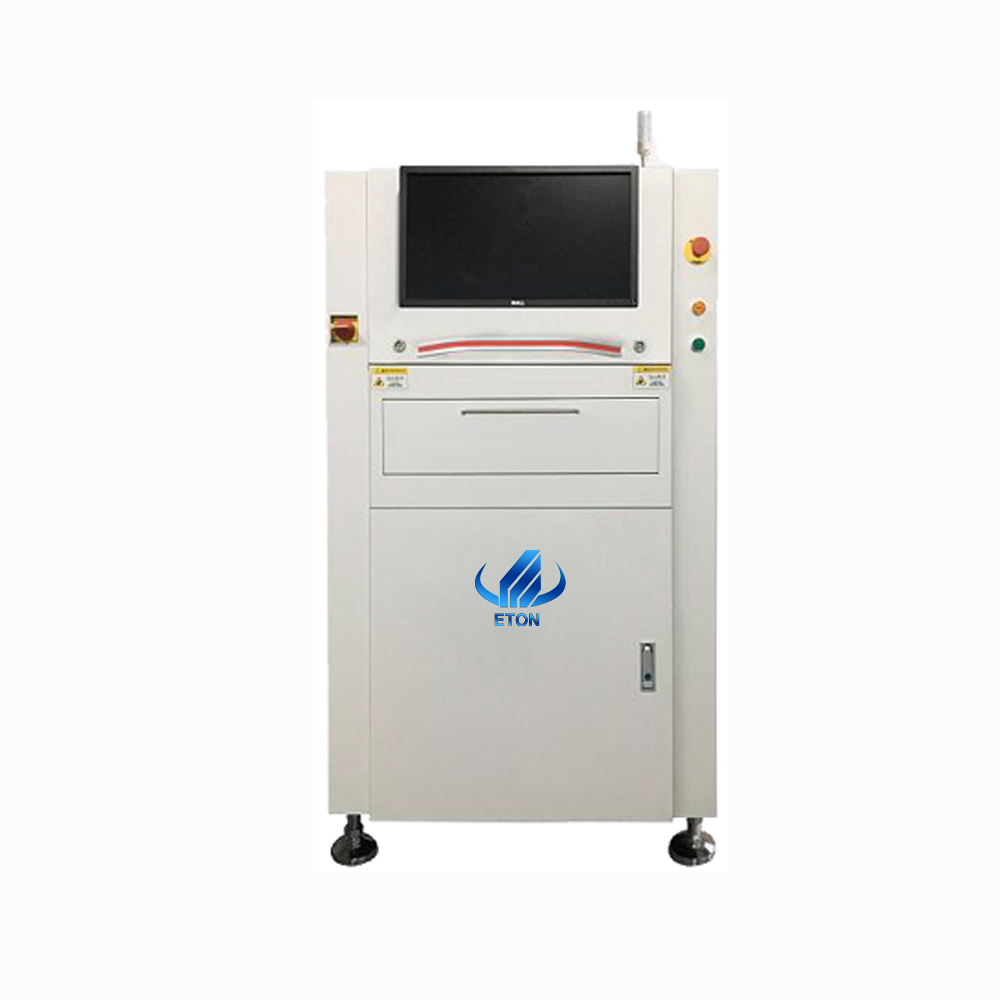
- AOI (Automated Optical Inspection): Must be equipped with high - resolution cameras and specialized algorithms to reliably detect defects like misalignment, tombstoning, and missing 0201 components.
- SPI (Solder Paste Inspection): Can identify potential solder paste printing defects even before component placement, preventing problems before they occur.
Conclusion
Placing 0201 components is more than just a technology; it is an art form that pursues perfection on a microscopic scale. It is a comprehensive test of design, equipment, materials, and process management. Every successful placement is a tiny yet brilliant victory for modern manufacturing engineering.
It is these invisible precisions that define the spectacular digital world we see today.
|