|
Customers expect shorter delivery times. Product models are updated more frequently. Production batches are becoming smaller, while manufacturers still need to maintain high efficiency and consistent quality. This creates a challenge for SMT manufacturers: How can you build a production line that is not only fast, but also flexible enough to handle changing production requirements? A high-capacity SMT line may perform well when producing one product in large volumes. But when production involves multiple PCB models, different component types, frequent changeovers, and varying production volumes, flexibility becomes just as important as speed. A truly flexible SMT line should be able to adapt to different products without sacrificing production efficiency or placement quality. So, how can manufacturers build one? 01|Start with Your Production RequirementsBefore selecting SMT equipment, manufacturers should first understand their actual production requirements. There is no single SMT line configuration that is suitable for every factory. A production line designed for high-volume consumer electronics may be very different from one designed for industrial electronics or high-mix production. Key factors include:
For example, a factory producing a single PCB model in very large quantities may prioritize maximum placement speed. A factory producing dozens of PCB models may place greater importance on flexibility, feeder capacity, quick changeover, and equipment compatibility. The right SMT line starts with the production requirements—not the machine specifications. 02|Balance Speed and FlexibilitySpeed is still an important factor in SMT production. However, maximum placement speed should not be the only consideration when designing a flexible production line. Imagine a production line that can place components extremely quickly but requires a long time to change from Product A to Product B. If the factory changes products several times a day, the lost production time can significantly reduce the actual output. This is why manufacturers should consider: Production Speed + Changeover Efficiency + Equipment Flexibility A flexible SMT line should maintain good production efficiency while allowing manufacturers to respond quickly to different orders. In many cases, the goal is not to achieve the highest theoretical speed. The goal is to achieve the highest effective production efficiency. 03|Choose Machines for Different Production NeedsDifferent SMT machines may be designed for different production requirements. For example, some production environments prioritize:
When selecting equipment, manufacturers should look beyond the headline placement speed. Consider whether the machine can handle the components used in your actual products. Can it place small chip components accurately? Can it handle larger components? Can it support different PCB sizes? Can it work efficiently when product models change? Can it maintain stable performance during long production runs? These questions are particularly important for high-mix electronics manufacturing. 04|Feeder Capacity Can Affect FlexibilityThe feeder system plays an important role in flexible SMT production. A PCB may contain dozens or even hundreds of different component types. If the machine does not have enough feeder capacity, operators may need to frequently replace or rearrange feeders. This can increase setup time and make production planning more complicated. A machine with sufficient feeder capacity can allow more components to remain prepared for production. This can be particularly useful when:
However, feeder capacity should not be considered alone. The actual requirement depends on the customer's BOM, product mix, and production strategy. The right feeder configuration can make a significant difference to production flexibility. 05|Quick Changeover Is a Key Part of FlexibilityOne of the biggest challenges in high-mix SMT production is changeover. When switching from one PCB model to another, manufacturers may need to change:
Every minute spent during changeover is a minute when the production line is not producing. For manufacturers with frequent product changes, reducing changeover time can have a direct impact on production efficiency. A practical approach is to standardize the changeover process as much as possible. For example: Prepare → Replace → Verify → Run Clear material preparation, organized feeder management, standardized programs, and operator training can all help reduce unnecessary downtime. Equipment design can also support this process. The easier it is to configure and operate the machine, the easier it can be to adapt to changing production requirements. 06|Think About Component FlexibilityA flexible SMT line should be able to handle a wide range of component types. Modern electronic products may include:
Different components can require different nozzles, feeding methods, recognition strategies, and placement parameters. Therefore, when selecting an SMT machine, manufacturers should consider the complete component range rather than focusing on one component size. For example, if today's products mainly use 0402 components but future products may include 0201 or larger components, it is worth considering whether the selected equipment can support these future requirements. Flexibility today can become production capacity tomorrow. 07|Use a Line Configuration That Can Grow with Your BusinessProduction requirements rarely stay the same forever. A company may begin with a relatively small production volume and gradually expand. New products may be introduced. Existing products may require higher output. Additional customers may bring different PCB designs. For this reason, SMT line planning should consider not only today's production requirements, but also future expansion. Possible strategies include:
For example, a dual-track SMT solution may provide manufacturers with greater flexibility when handling different production requirements. The specific configuration depends on PCB characteristics, production volume, product mix, and factory layout. A good SMT line should not become a limitation when the business grows. 08|Connect the Entire Production ProcessFlexibility does not depend on the pick-and-place machine alone. A complete SMT production line typically includes: Solder Paste Printing ↓ SPI Inspection ↓ Component Placement ↓ Reflow Soldering ↓ AOI / Inspection ↓ Further Processing If one process is significantly slower or less flexible than the others, it can become a bottleneck for the entire line. This is why line balancing is essential. For example, increasing the placement capacity without considering printing or reflow capacity may not significantly increase the final output. The objective should be to create a balanced production flow. A flexible SMT line is a system, not a collection of individual machines. 09|Software and Production Management MatterHardware is only one part of production flexibility. Software, production programs, material management, and process control also influence how quickly a factory can respond to changing orders. A well-organized production system can help manufacturers manage:
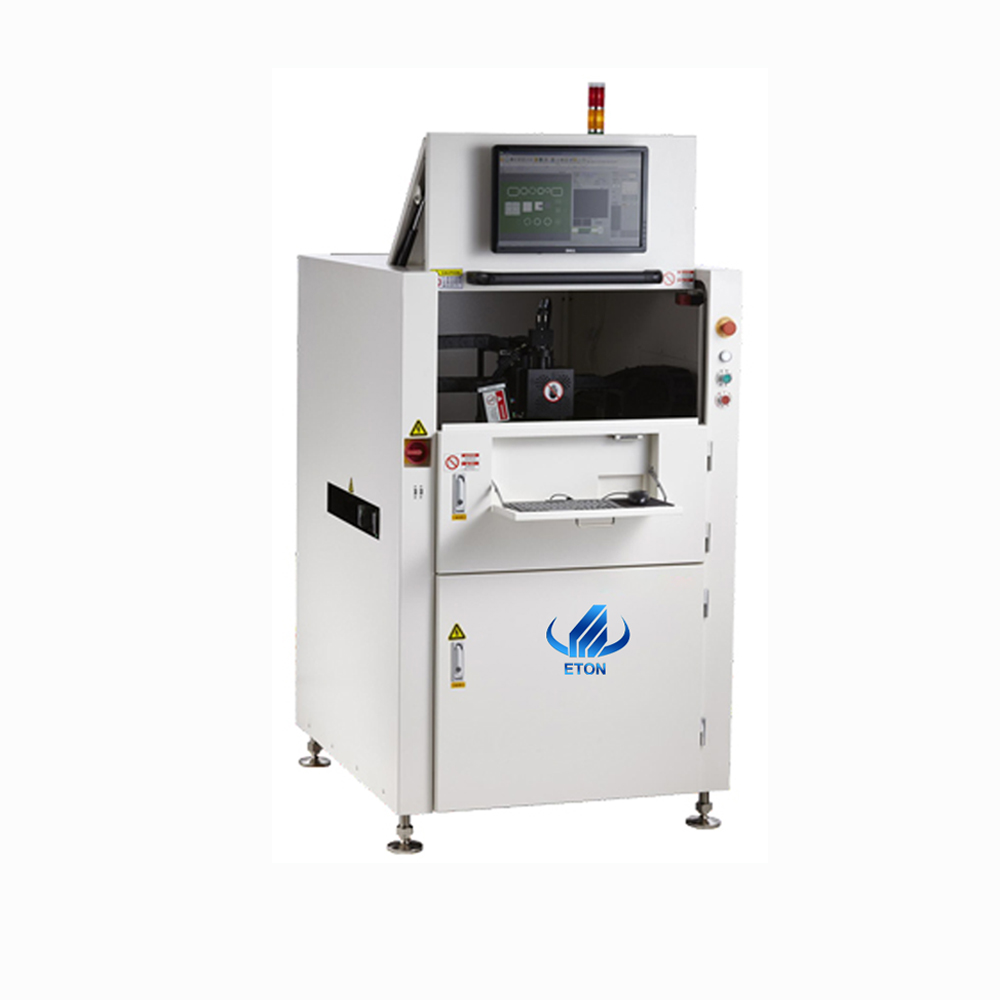
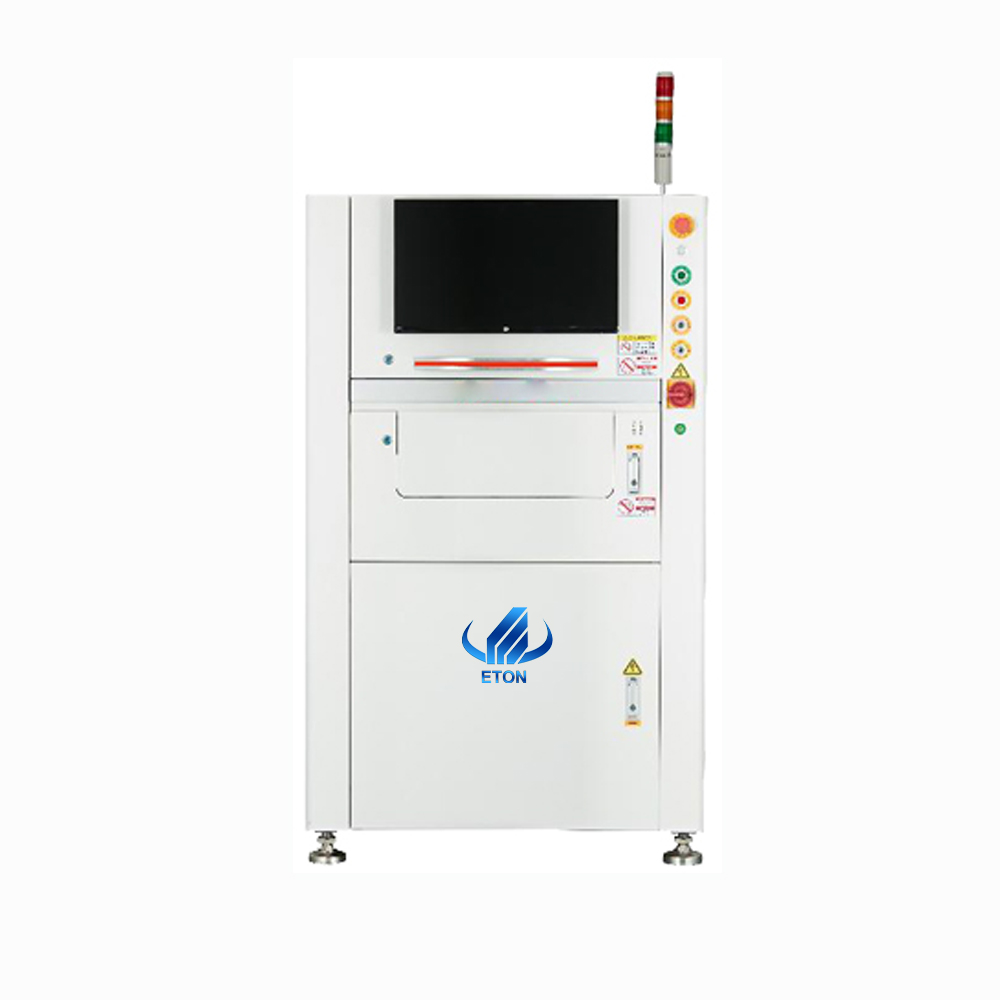
Standardized processes can reduce operator dependence and make production easier to manage. This becomes increasingly important as the number of products increases. 10|Don't Forget MaintenanceA flexible production line also needs to remain stable. Frequent product changes can increase the workload on operators and equipment. Feeders are repeatedly changed. Nozzles are used across different products. Programs and parameters are frequently adjusted. Without proper maintenance, small problems can gradually affect production efficiency. Regular maintenance of:
can help maintain stable performance. Flexibility should never come at the expense of reliability. What Makes an SMT Line Truly Flexible?A flexible SMT production line should ideally provide a balance between several capabilities:
The best configuration depends on the actual production environment. There is no universal answer. A high-volume factory may need a different solution from a high-mix, low-volume manufacturer. That is why SMT line planning should begin with the customer's products, BOM, production volume, PCB characteristics, and future plans. Flexible Production Starts with the Right ConfigurationAs electronics manufacturing becomes more dynamic, flexibility is becoming an increasingly important part of SMT production. Manufacturers need to respond to changing product designs, shorter delivery cycles, different component types, and fluctuating production volumes. The solution is not simply to buy a faster machine. It is to build a production system that can adapt. From equipment selection and feeder configuration to changeover management, line balancing, and future expansion, every decision can influence the flexibility of the final production line. At ETON, we work with customers to develop SMT solutions based on their actual production requirements. Whether you are building a new SMT line, expanding existing capacity, or looking for a more flexible production setup, the right configuration can help you achieve a better balance between speed, accuracy, flexibility, and stability. Because the best SMT line is not simply the one that produces the most today. It is the one that can keep up with what you need to produce tomorrow. |
From PCB Assembly to Production: How to Build a More Flexible SMT Line?
2026年9月2日 ETON
 In electronics manufacturing, production requirements are changing faster than ever.