|
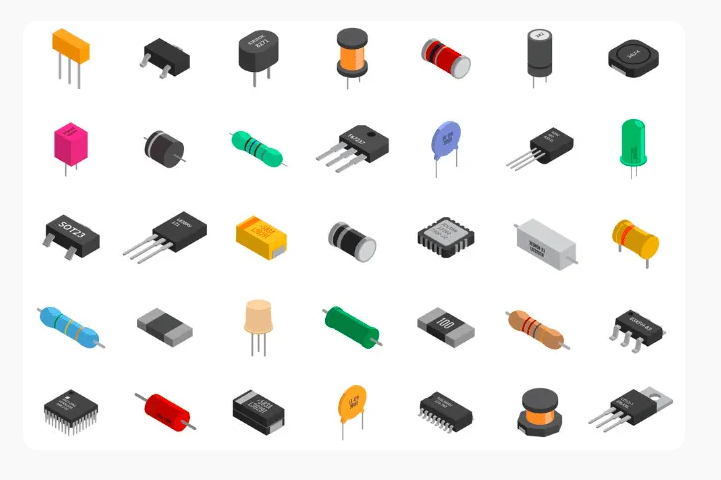
What Exactly Is a BOM?A Bill of Materials is a structured list of all components required to assemble a printed circuit board. It typically includes key information such as:
This information acts as the central reference point for everyone involved in PCB production. Without a complete and accurate BOM, even a perfectly designed PCB cannot be manufactured correctly.
The BOM Drives Component ProcurementOne of the first departments that relies on the BOM is the purchasing team. Every resistor, capacitor, IC, or connector listed in the BOM must be sourced according to the specified parameters. In electronics manufacturing, even a small mismatch—such as the wrong resistance value or an incorrect package size—can result in assembly issues or product failure. A well-prepared BOM helps procurement teams avoid confusion and ensures that the correct components arrive before production begins. It can also include approved alternatives, which is especially important when dealing with supply chain shortages.
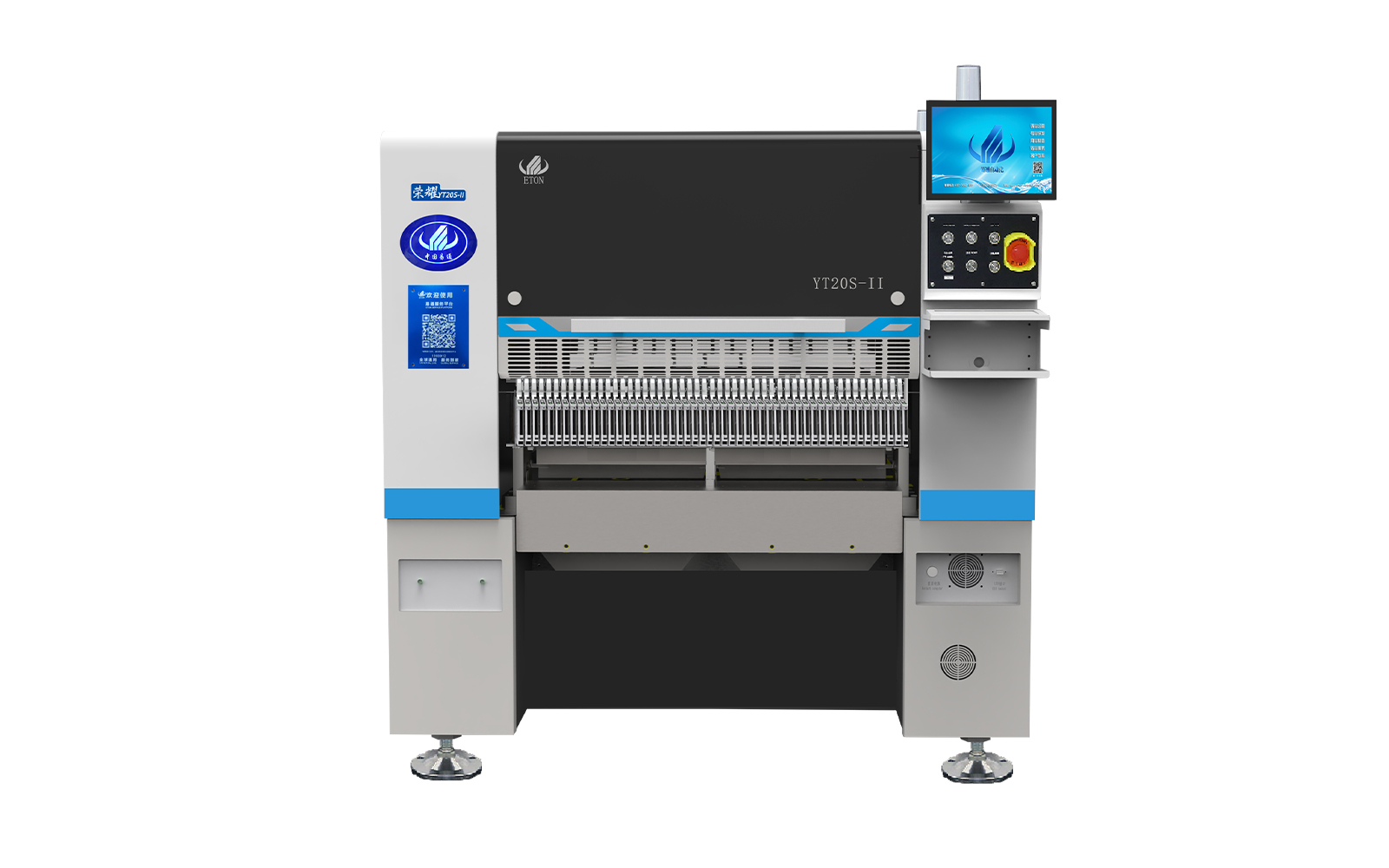
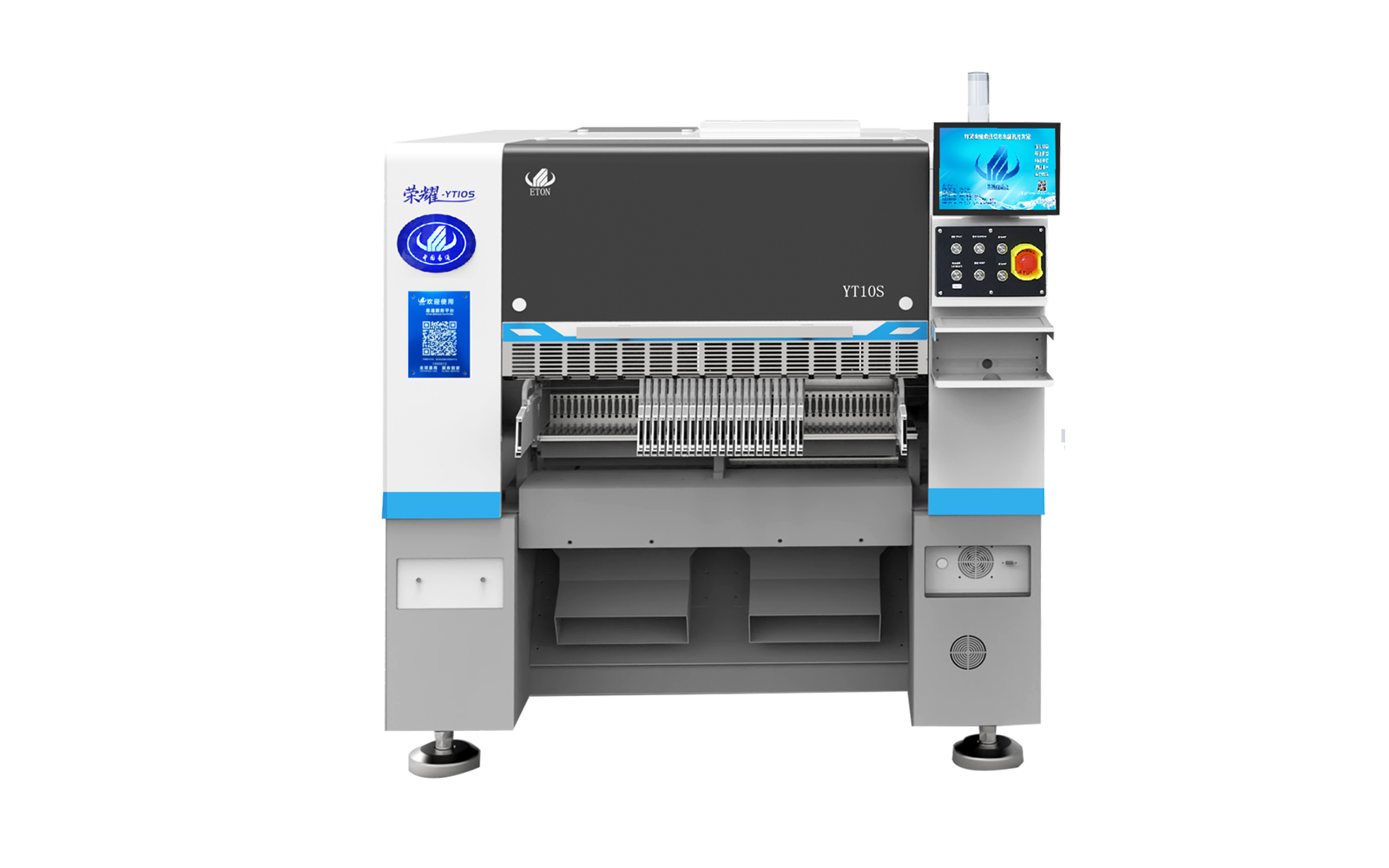
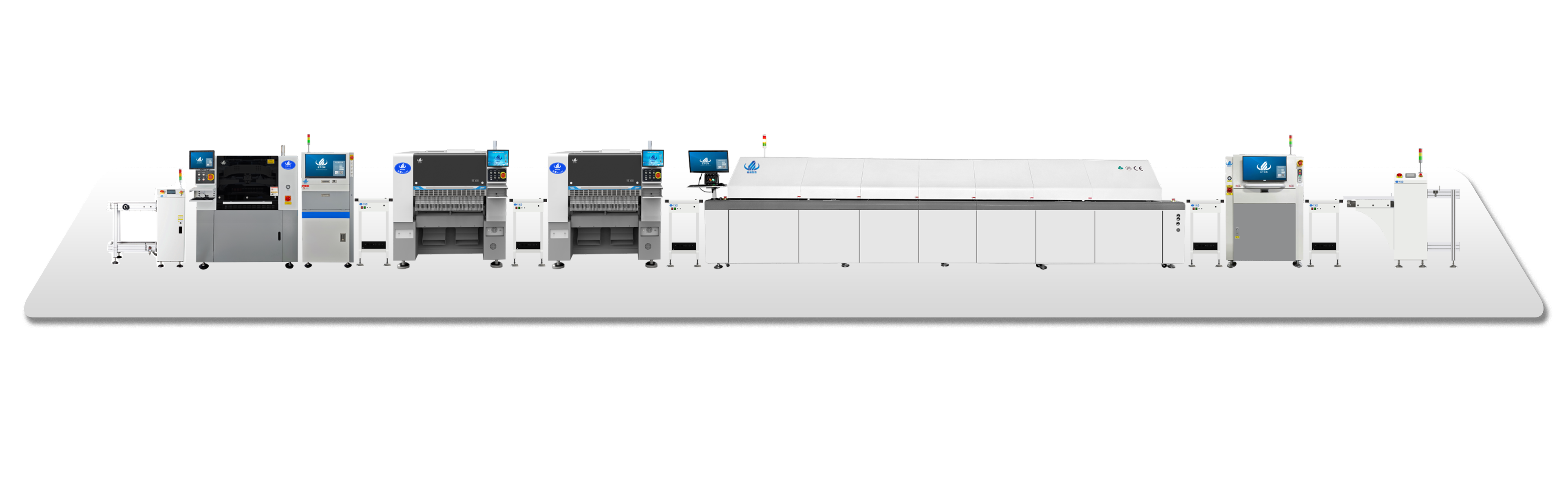
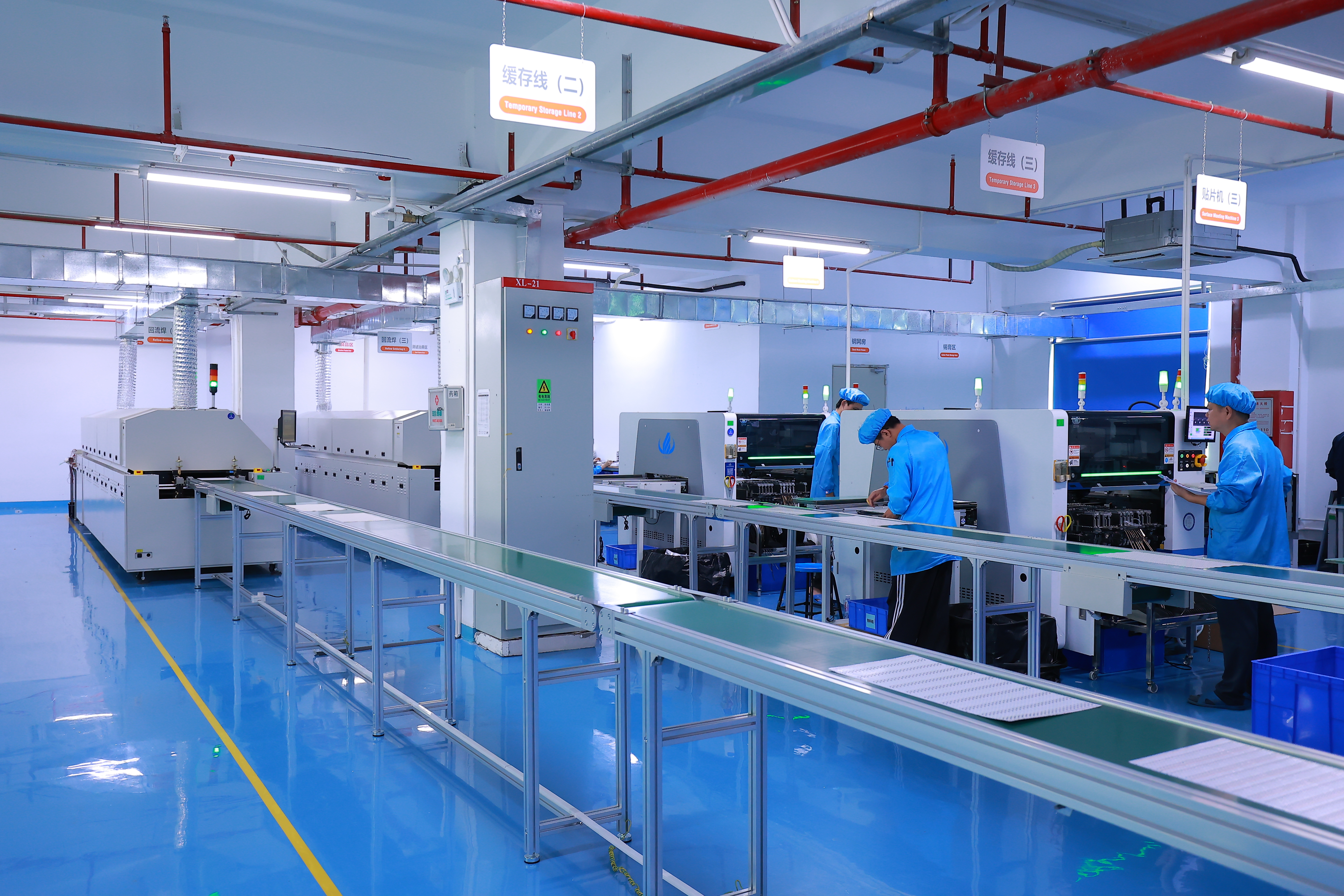
Supporting Efficient SMT AssemblyDuring the SMT assembly process, the BOM works closely with production files such as Gerber data and pick-and-place coordinates. These files guide automated assembly equipment to accurately place thousands of components on a PCB within seconds. If the BOM information does not match the design files, production lines may encounter placement errors, machine alarms, or costly downtime. A precise BOM ensures that each component is correctly identified, loaded into the feeder system, and placed in the right position during assembly. Reducing Manufacturing ErrorsManufacturing errors are one of the biggest risks in electronics production. Incorrect components, missing parts, or mismatched packages can lead to defective boards and expensive rework. The BOM acts as a verification reference throughout the entire manufacturing process. Engineers, operators, and quality inspectors all rely on it to confirm that the correct materials are being used. This layer of verification significantly reduces the risk of production mistakes and improves overall product reliability. Improving Cost Control and Production PlanningBeyond assembly accuracy, the BOM also plays an important role in financial and operational planning. By clearly listing every component required for a PCB assembly, manufacturers can accurately estimate:
With this visibility, companies can optimize purchasing strategies, avoid material shortages, and keep production running efficiently. Supporting Product Lifecycle ManagementThe value of the BOM does not end after manufacturing. It continues to serve as an important reference during product maintenance, repairs, and design updates. When engineers need to troubleshoot a product or replace components, the BOM allows them to quickly identify the exact parts used in the original design. This documentation ensures consistency and simplifies long-term product support. ConclusionIn PCB manufacturing, success depends on the coordination of many elements—from circuit design to automated assembly lines. The Bill of Materials acts as the foundation that keeps all these elements aligned. A clear and accurate BOM improves production efficiency, reduces errors, supports supply chain management, and ensures stable product quality. In other words, before a single component is placed on a PCB, the success of the entire manufacturing process often begins with a well-prepared BOM. |
Why the Bill of Materials (BOM) Is the Foundation of Successful PCB Manufacturing
2026年3月13日 HIETON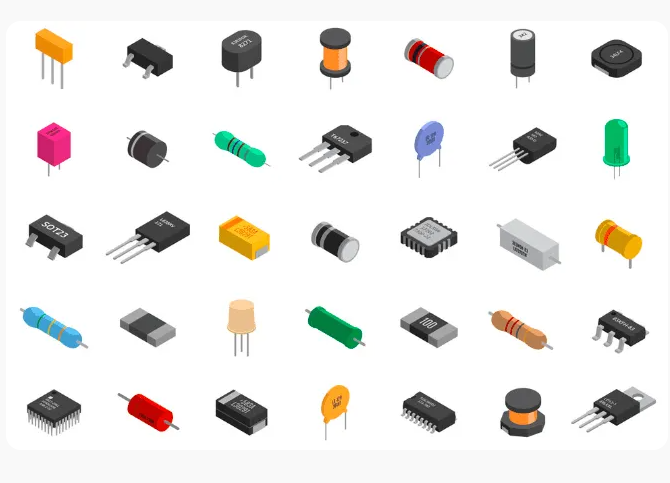
 Although it may appear to be just a list of components, the BOM plays a much larger role. It connects design, procurement, production, and quality control, ensuring that every part of the manufacturing process works together efficiently.