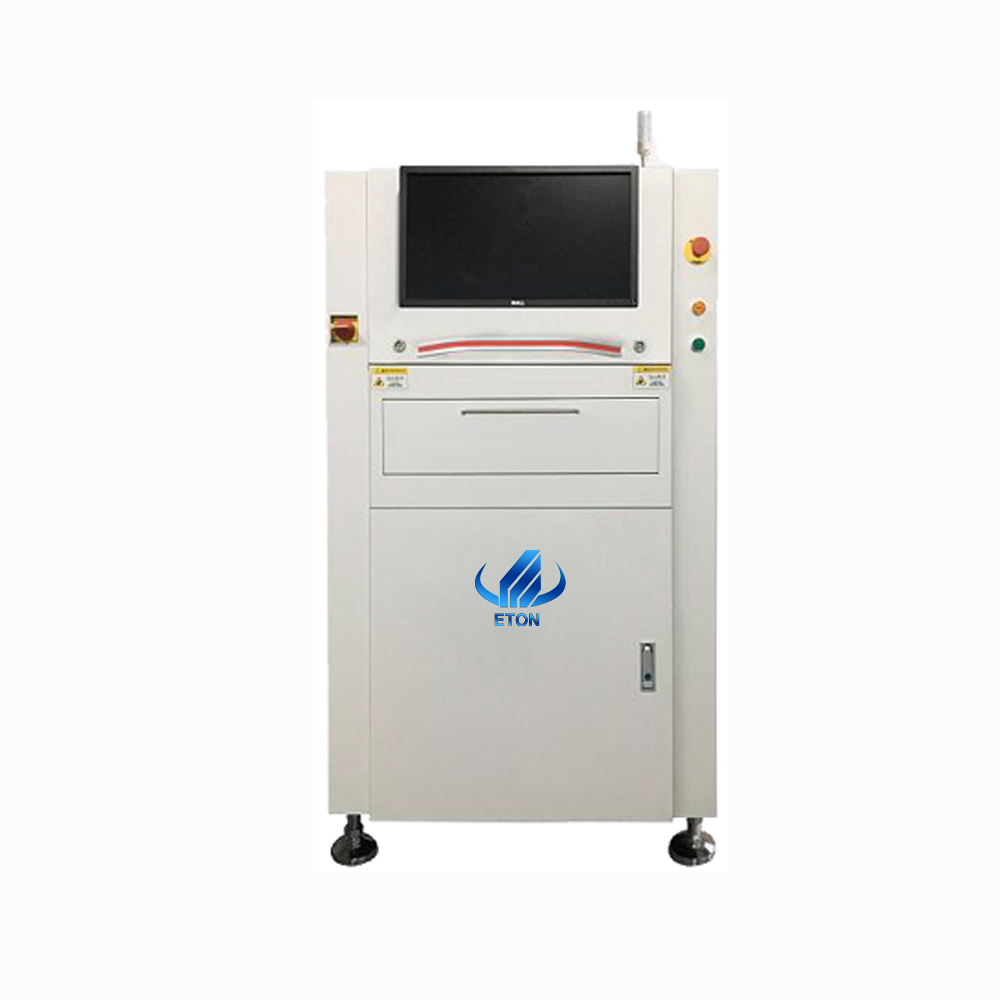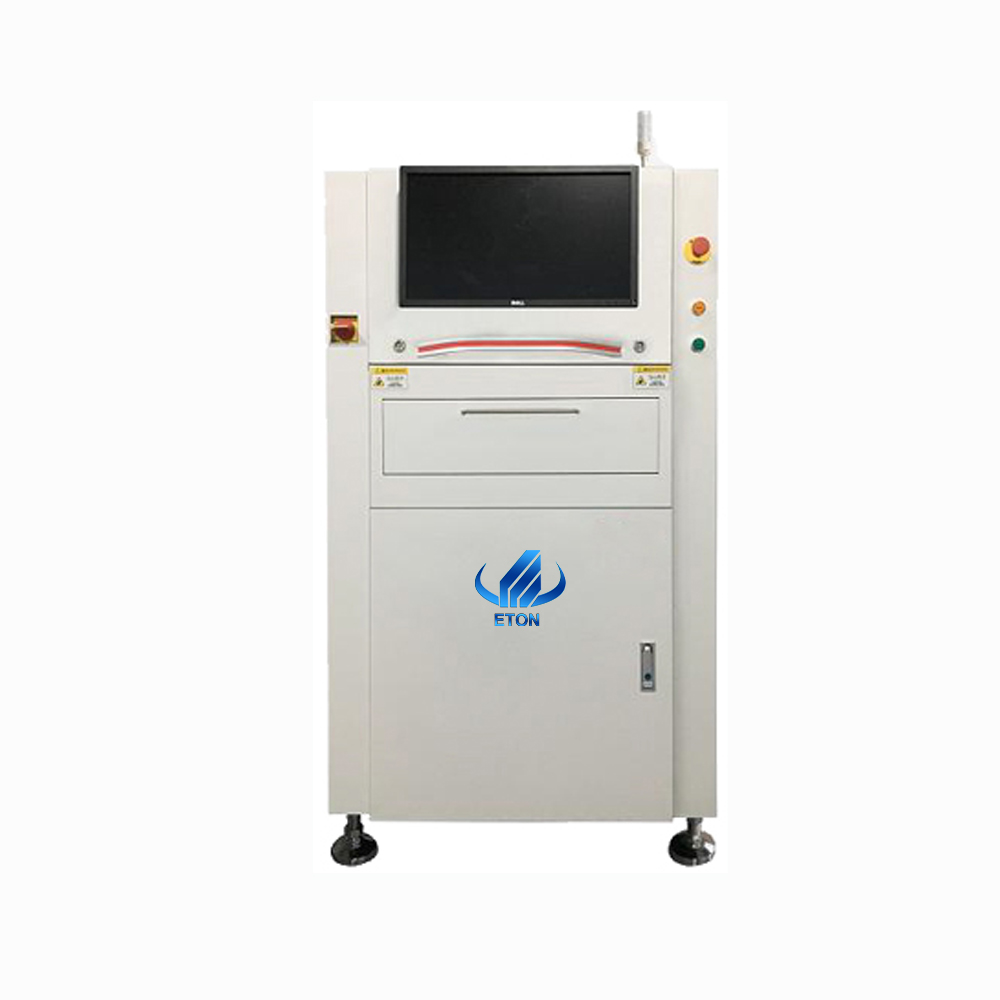
Solder Paste Inspection Machine (SPI): 2D vs 3D & How to Choose

2026년 1월 23일 Kay

Solder Paste Inspection Machine (SPI) Guide: 2D vs 3D and How to Choose

In SMT production, many defects start at the very first step: solder paste printing. If paste height, volume, or alignment is off, reflow can’t “fix” it—defects simply move downstream and become more expensive to repair.

That’s why a solder paste inspection machine (SPI) is often the highest ROI inspection tool in an SMT line.

What Does an SPI Machine Do?

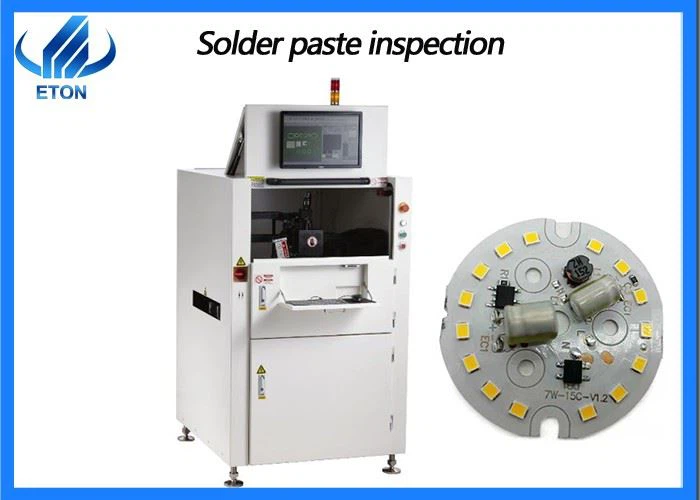
An SPI machine inspects solder paste deposits right after printing. It checks:

  • Paste volume and height

  • Area coverage

  • Offset / misalignment

  • Bridging risk

  • Insufficient or excessive paste

By catching problems early, SPI reduces:

  • tombstoning

  • insufficient solder joints

  • shorts/bridges

  • opens and weak joints

  • rework and scrap


2D vs 3D SPI: What’s the Difference?

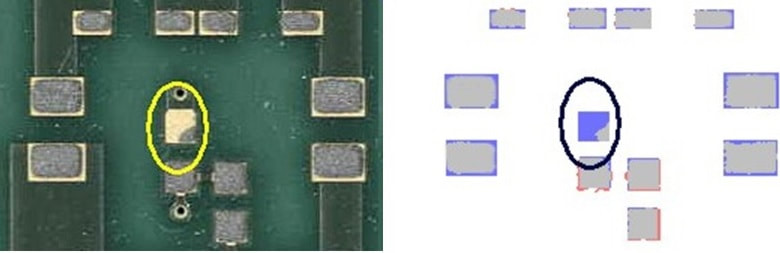
2D SPI

https://img-preview.myshopline.com/image/store/1747989738773/2f3cf51d70264dff98e203ab8ce67519.jpg?w=780&h=253

  • Uses top-down imaging

  • Good for alignment/area issues

  • Limited for accurate height/volume measurement

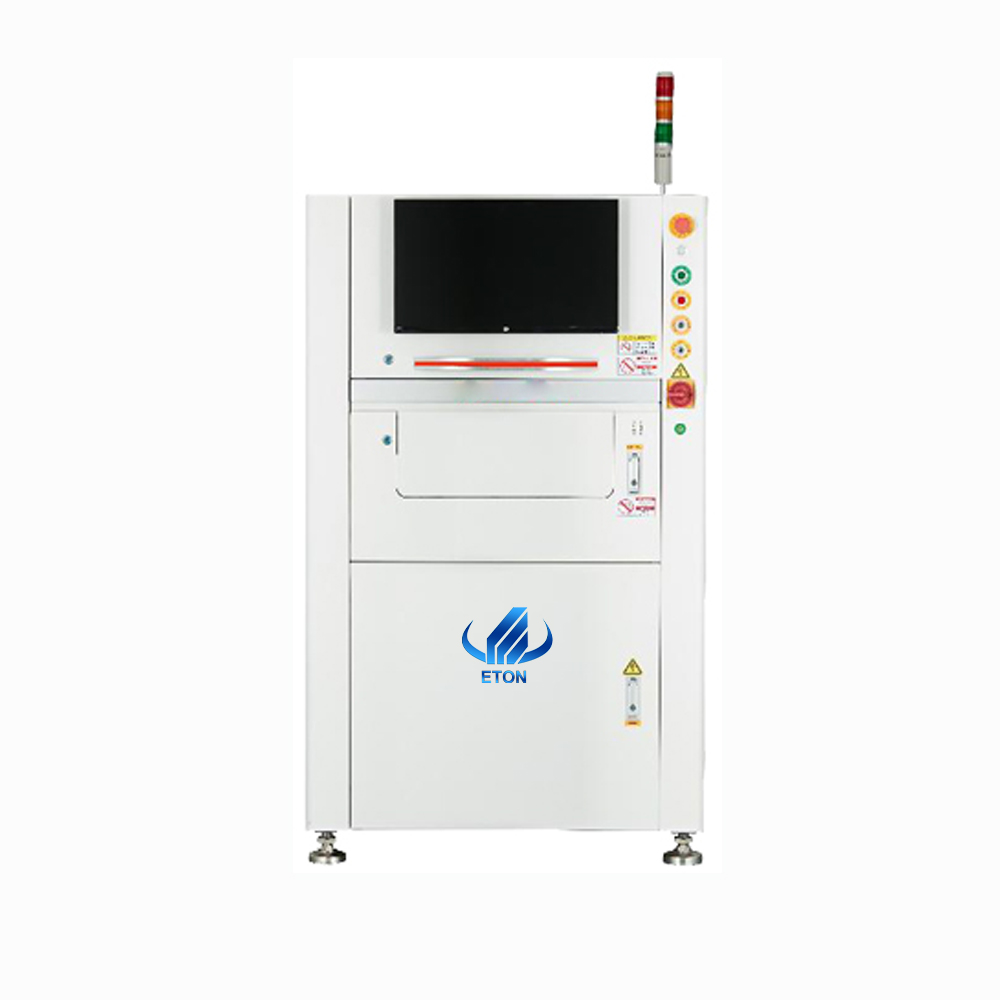
3D SPI

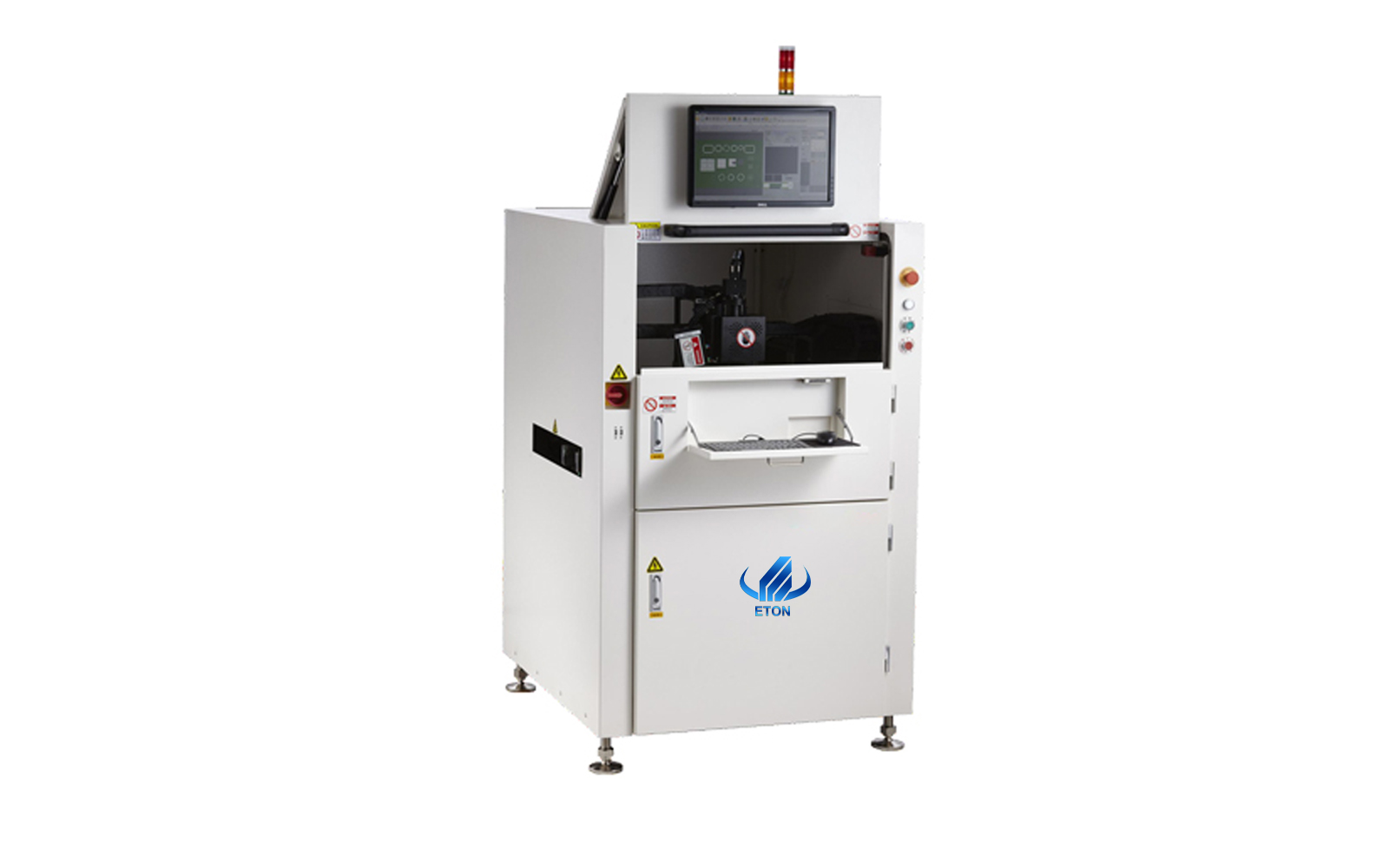
3D SPI Solder Paste Inspection Machine For SMT PCB Printing Quality Control Model: ET-SPIS8080

  • Measures height/volume using structured light, Moiré, or similar methods

  • Better for process control and preventing hidden defects

  • Preferred for finer pitch and demanding boards

If you’re producing tighter pitch components (fine-pitch ICs, dense boards), 3D SPI is usually the safer long-term choice.


Where to Place SPI in the SMT Line?

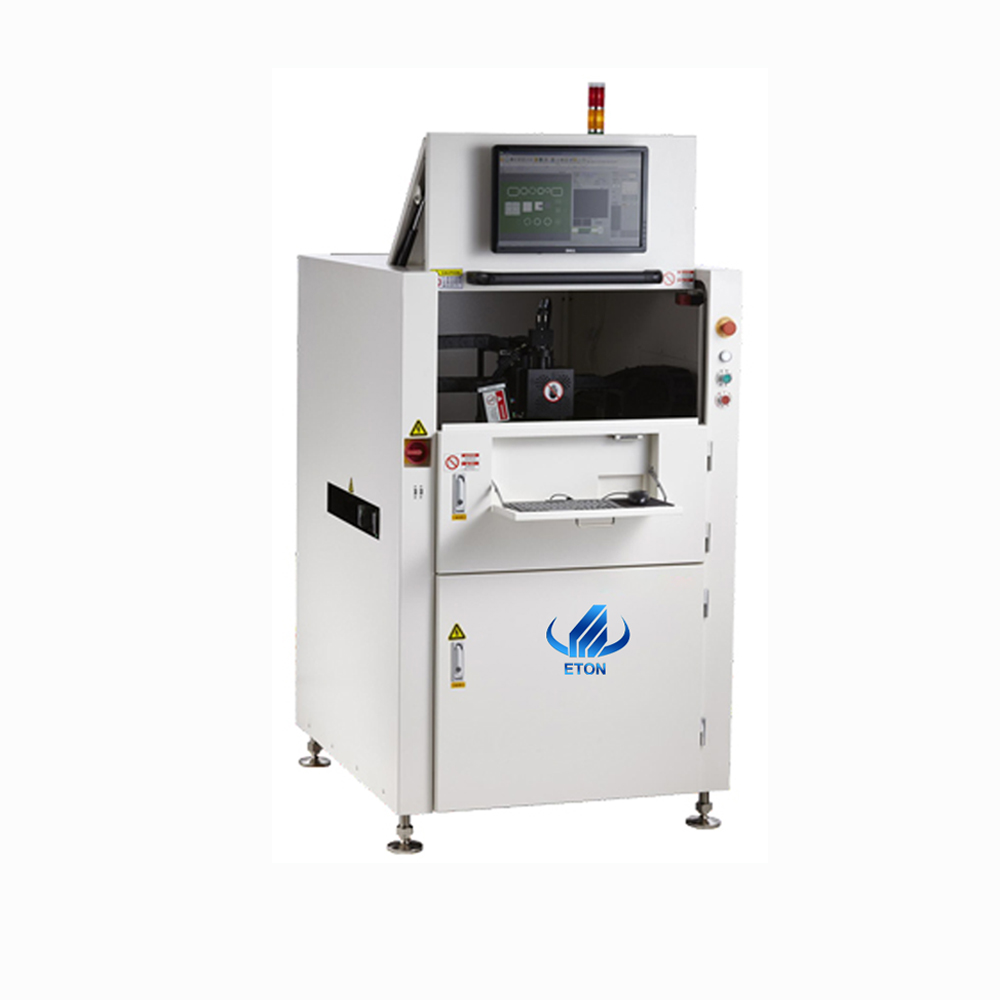
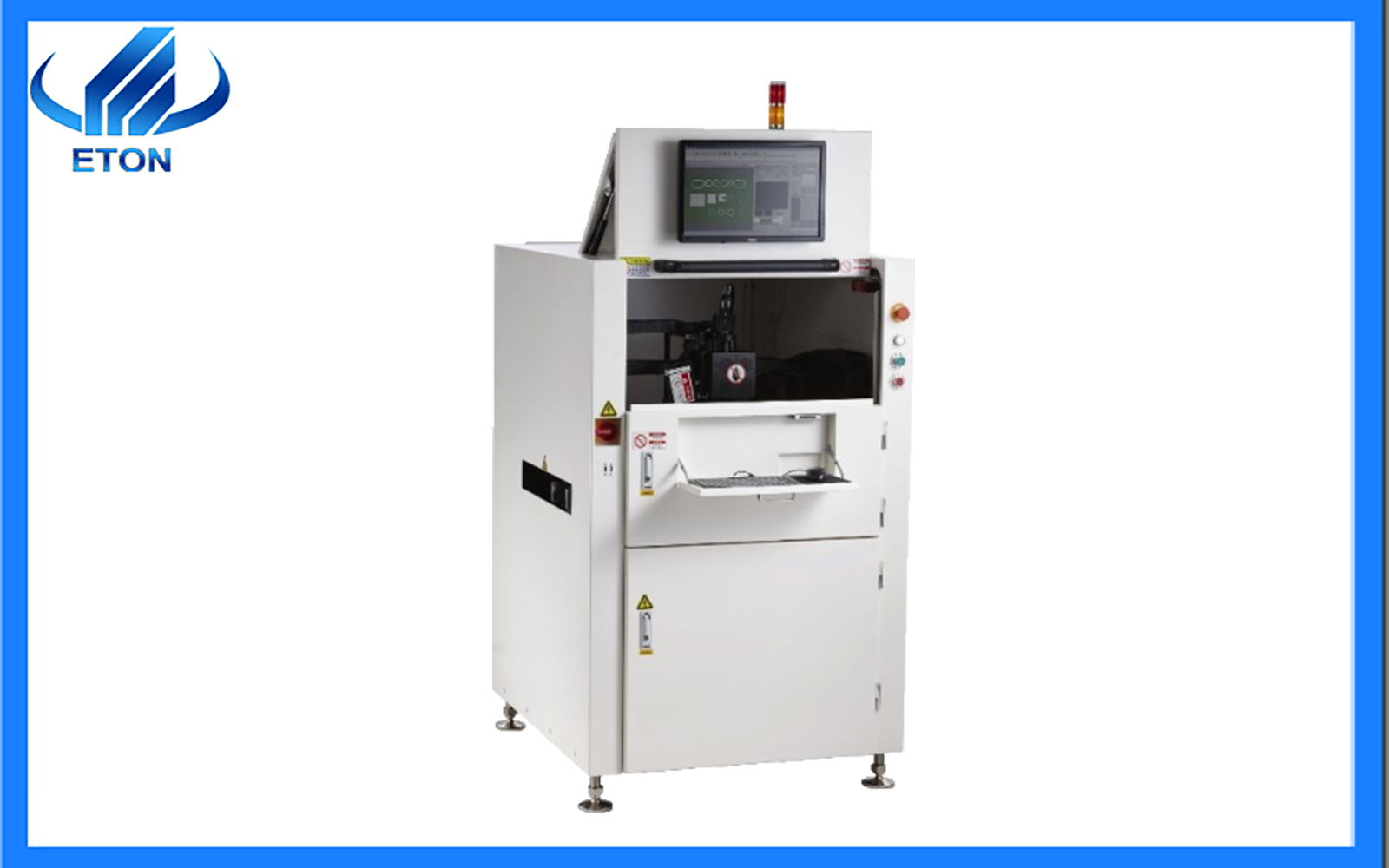
SPI machine positioned after solder paste printing in an SMT assembly line

Standard placement:

Printer → SPI → Pick & Place → Reflow → AOI

This positioning matters because SPI provides immediate feedback on printing quality. If paste printing drifts, you can correct it before placing components—saving time and materials.


Key Specs to Compare When Buying an SPI Machine

Here are the specs that actually matter in day-to-day production:

1) Measurement capability (for 3D)

  • Height repeatability and accuracy

  • Volume calculation stability

  • Performance on different paste types

2) Resolution and field of view (FOV)

  • Can it inspect fine apertures reliably?

  • Does it keep throughput high without sacrificing detail?

3) Throughput (cycle time)

  • Match SPI speed with printer + placement takt time

  • Avoid creating a bottleneck in the line

4) Program creation and ease of use

  • Fast recipe generation

  • Good library support

  • Stable false-call control (to avoid “alarm fatigue”)

5) Closed-loop capability

If your factory aims for higher automation, look for systems that can support:

  • Printer parameter feedback

  • Trend charts / SPC integration

  • Process window monitoring


How SPI Improves Solder Paste Printing (Real Process Benefits)

SPI isn’t only “inspection”—it’s process control:

  • Detect stencil clogging early

  • Identify paste slump or smearing

  • Monitor squeegee pressure issues

  • Reduce “print, place, rework” loops

  • Improve first-pass yield (FPY)

For many factories, adding SPI is one of the fastest ways to stabilize production—especially when new operators or new products enter the line.


A Practical Selection Checklist (Fast Decision)

Choose 3D SPI if you have:

  • fine pitch / higher density boards

  • strict reliability requirements

  • frequent paste-related defects

  • need for SPC / closed-loop process control

Choose 2D SPI if you have:

  • simple boards

  • larger components

  • tight budget and you mainly need alignment/area checks


FAQs

Q1: Is SPI necessary if we already have AOI?
AOI checks after reflow; SPI catches paste defects before placement. Many defects become expensive once components are placed and soldered.

Q2: What defects does SPI reduce most?
Insufficient paste, offset deposits, bridging risk, and printing instability over time.

Q3: Do we need SPI for LED production lines?
Often yes—especially for stable yield at higher throughput, and to reduce rework on long runs.


Call to Action (Lead-In)

If you’re planning an SMT line (or upgrading from manual printing to higher automation), SPI selection should match your printer, placement speed, and product mix.
We can help you design the line layout and propose an inspection flow (SPI + AOI + optional ICT/FCT) that fits your capacity and budget.

블로그로 돌아가기

코멘트를 제출합니다

리뷰는 심사를 거쳐 통과된 후에만 게시할 수 있으니 주의하시기 바랍니다.