|
In SMT manufacturing, there is one material that quietly holds everything together — solder paste. Often described as the “glue” of the circuit board, solder paste plays a far more critical role than most people realize.
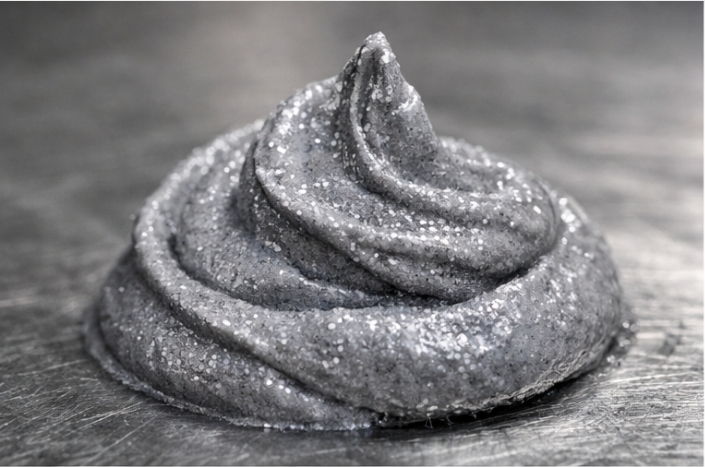
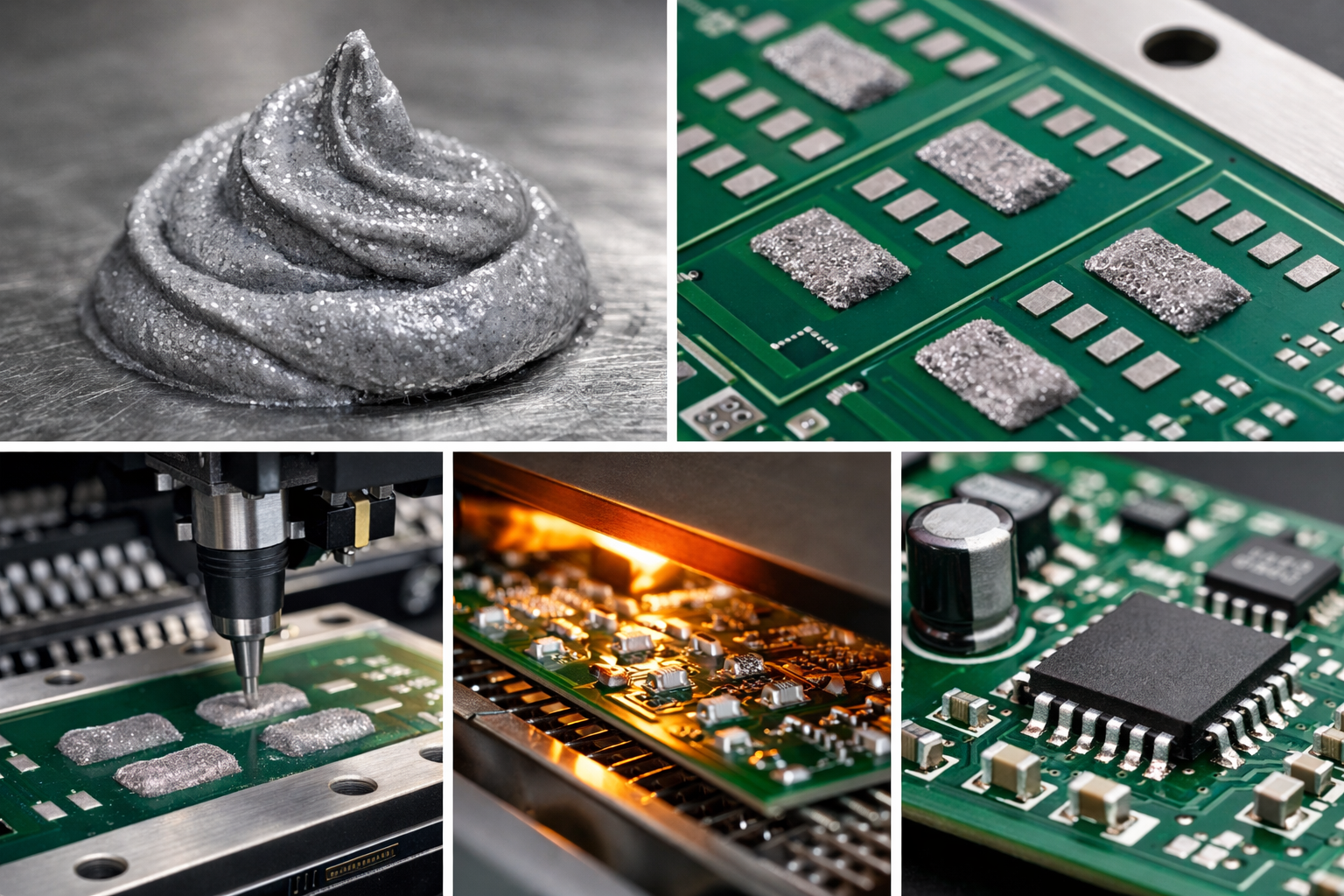
What Is Solder Paste?Solder paste is a mixture of tiny metal solder particles and flux. It is applied to the pads of a PCB before component placement begins. At first glance, it may look like simple grey paste — but in reality, it determines whether your entire board will succeed or fail.
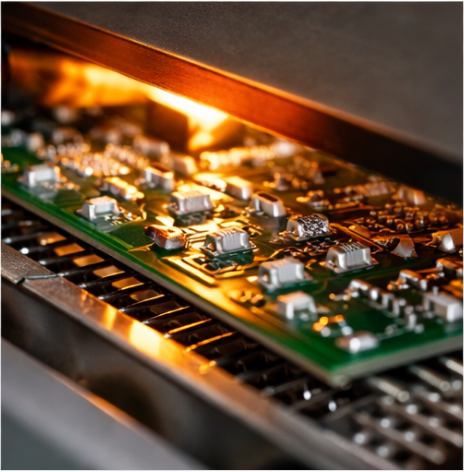
Why Is It Called the “Glue”?Before reflow soldering, solder paste temporarily holds components in place, just like glue. But unlike glue, it does much more:
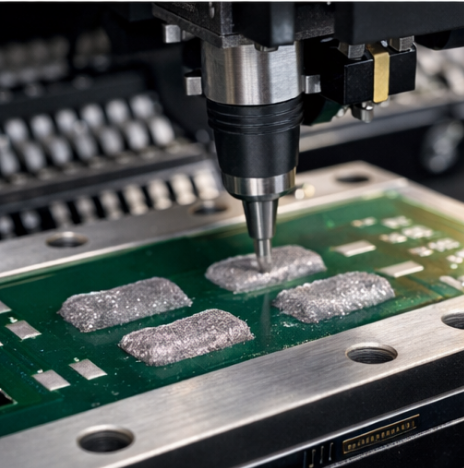
So while it behaves like glue at the beginning, it ultimately becomes the electrical and mechanical foundation of the PCB. How It Works in the SMT Process
A small mistake in solder paste printing can lead to defects like:
Why Quality MattersIn high-speed SMT production, especially for LED and high-density boards, solder paste quality directly affects:
Even the best pick and place machine cannot compensate for poor solder paste application.
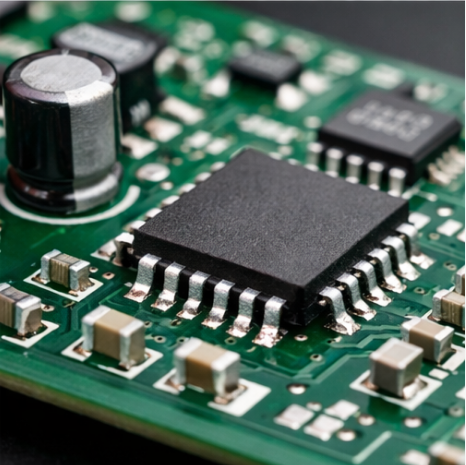
Final ThoughtsCalling solder paste the “glue” of the circuit board is a simple way to understand its role — but its importance goes far beyond that. It is not just holding components in place. It is what ultimately connects, conducts, and completes the circuit.
|