|
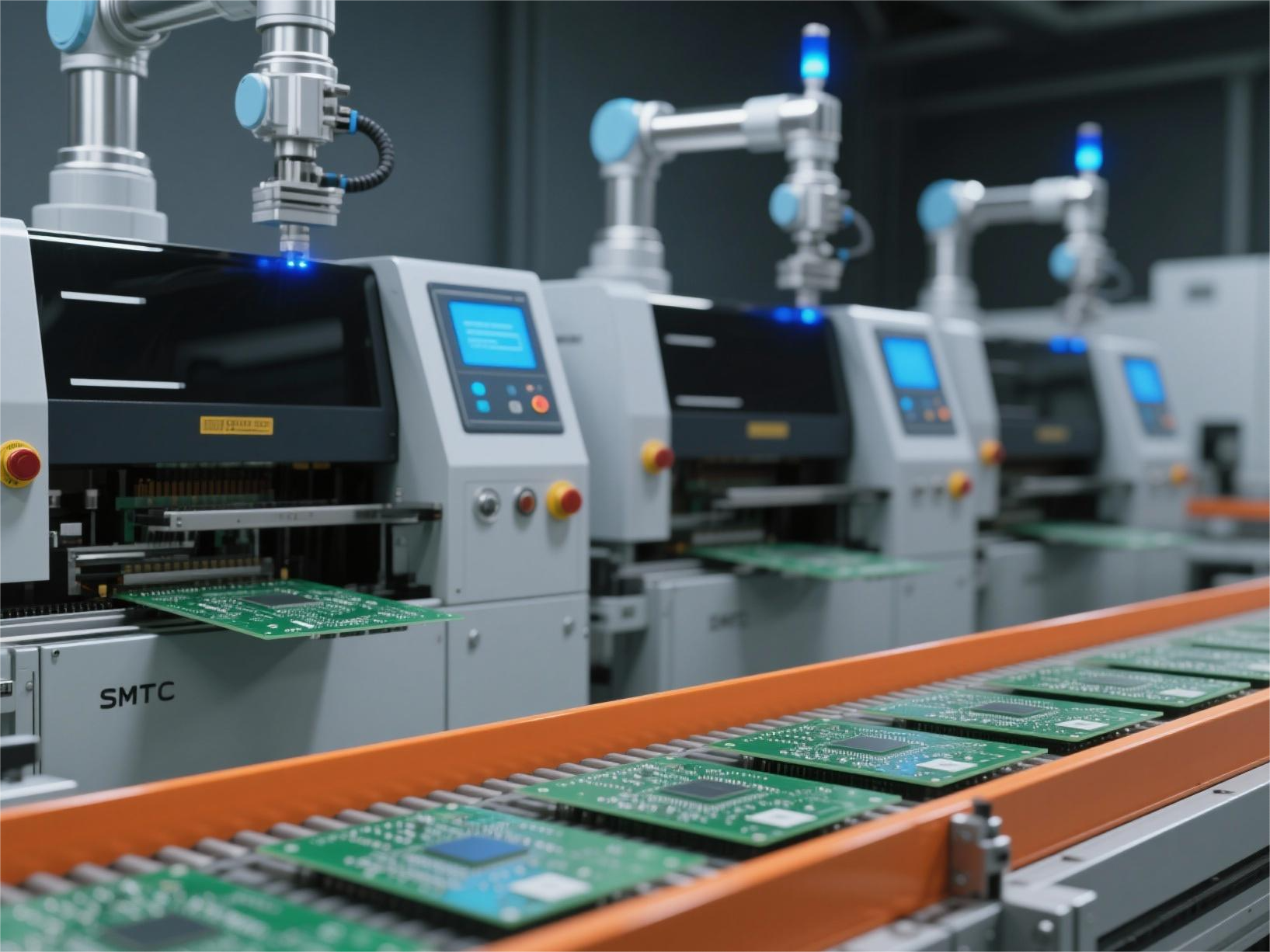
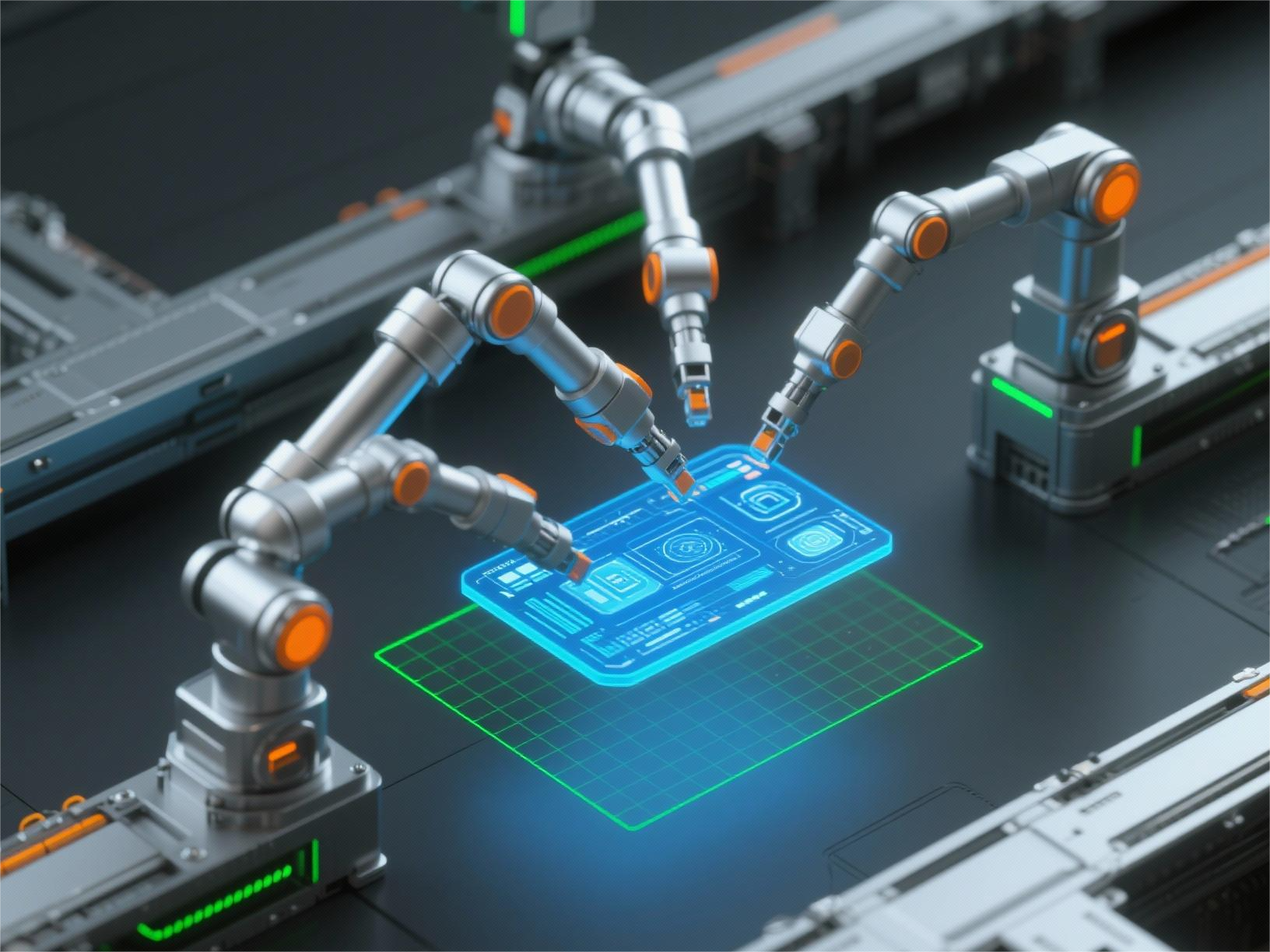
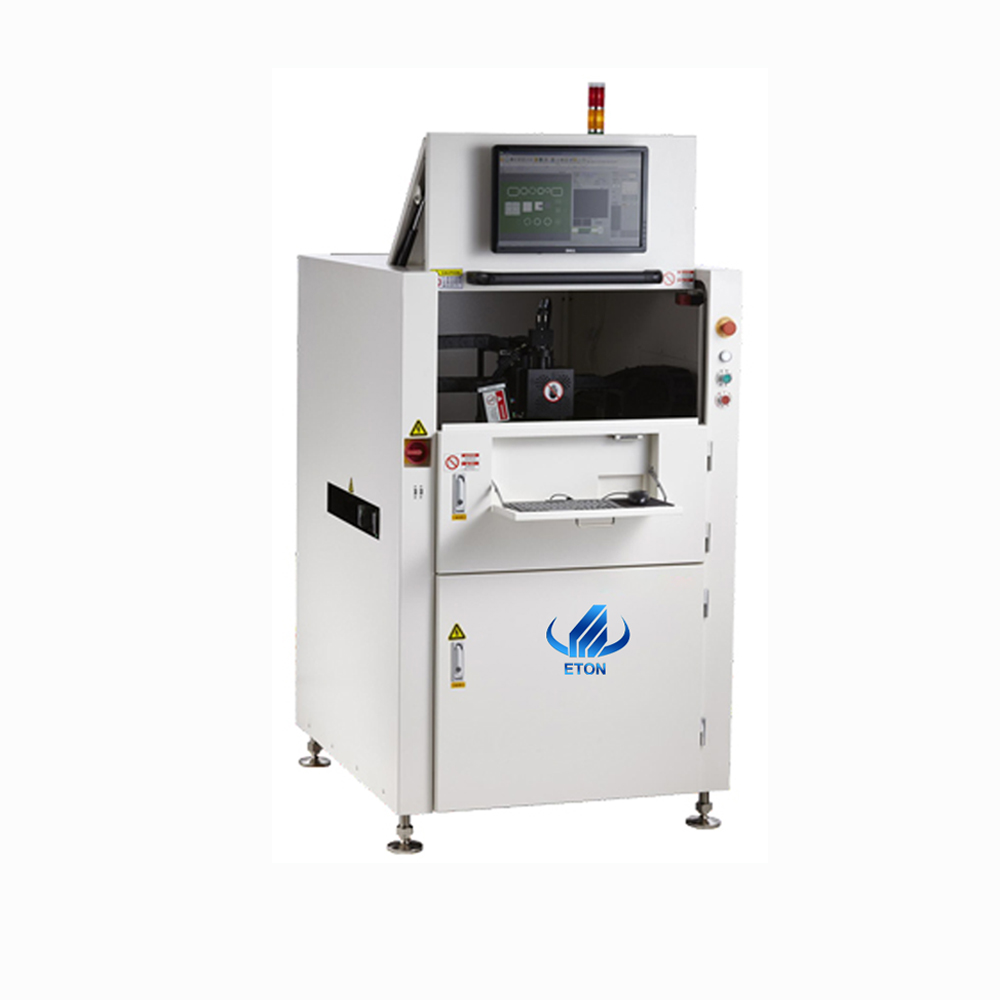
1.China's Chip Mounting Machine Industry: The Core Engine of Smart Manufacturing In the electronics manufacturing sector, SMT (Surface Mount Technology) has become the cornerstone of modern electronic product production. As key equipment in S production lines, SMT pick and place machines (Pick and Place Machines) significantly improve production efficiency and accuracy by precisely placing SMDs (Surface Mount Devices) onto printed circuit boards. Today, let's take a deeper look at this core equipment industry driving the development of China's electronics manufacturing industry. 2.What is an SMT placement machine? An SMT placement machine, also known as a "placement machine" or "surface mount system," is a precision industrial robot that integrates mechanical, electronic, optical, and computer control technologies. Using suction, displacement, positioning, and placement functions, it quickly and accurately places SMD components onto designated pads on PCBs without damaging the components or the printed circuit board.
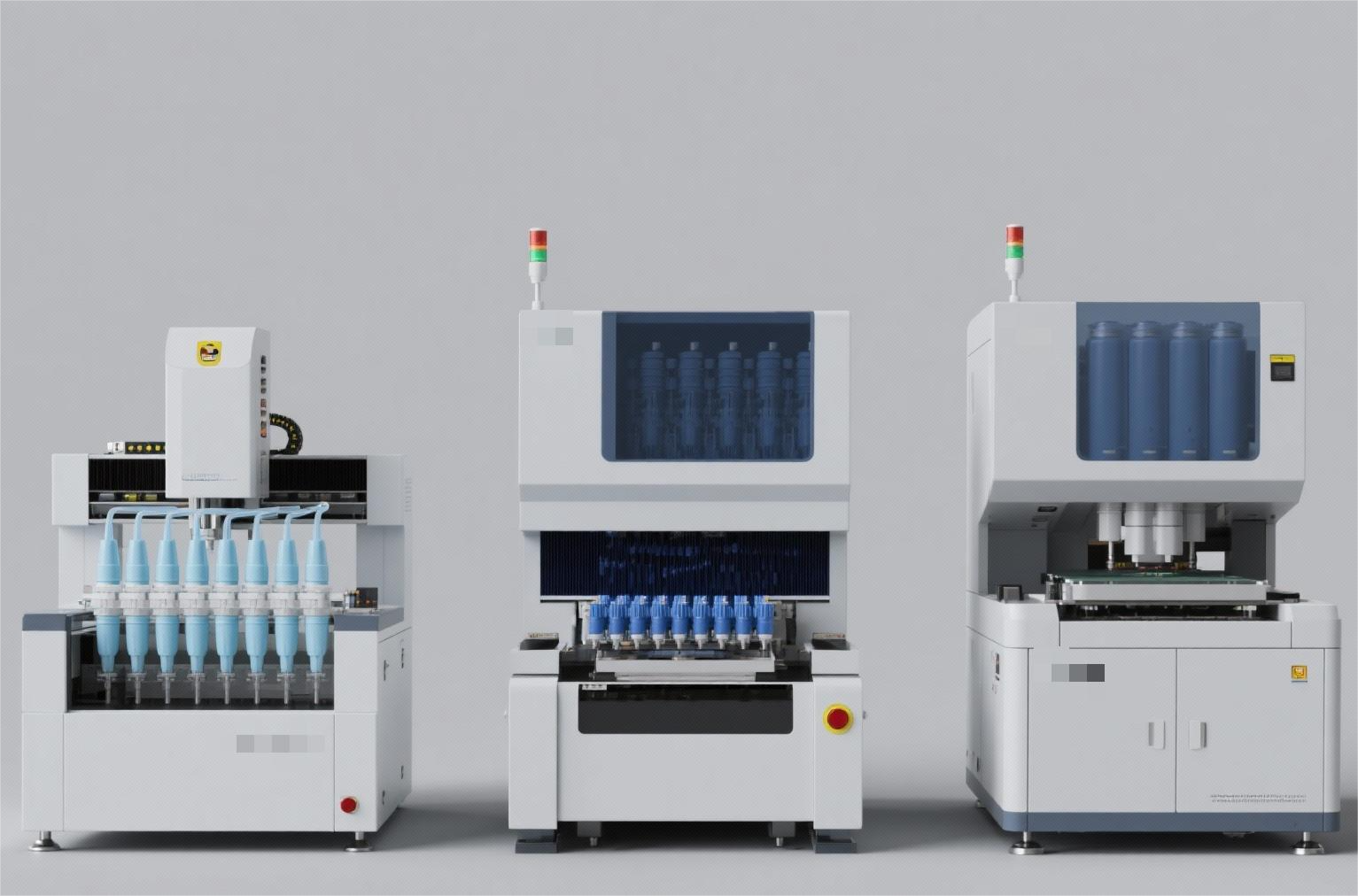
SMT machines are mainly categorized into several types: medium-speed, high-speed, and ultra-high-speed; high-speed/ultra-high-speed and multi-function; and fully automatic mechatronic and manual. Each type has its own specific application scenarios and advantages. 3.China's SMT Machine Market Status In recent years, China's SMT machine industry has maintained a steady growth trend. According to market research data, China's SMT machine production has increased from 22,292 units in 2017 to 43,437 units in 2023, and is expected to reach 46,569 units in 2024, a year-on-year increase of 7.2%. In terms of market size, China's SMT placement machine market reached 32.81 billion yuan in 2023, a significant increase from 17.717 billion yuan in 2017. It is estimated that the industry's market size will reach approximately 36.642 billion yuan in 2024.These figures reflect the vigorous development and transformation and upgrading of China's electronics manufacturing industry.
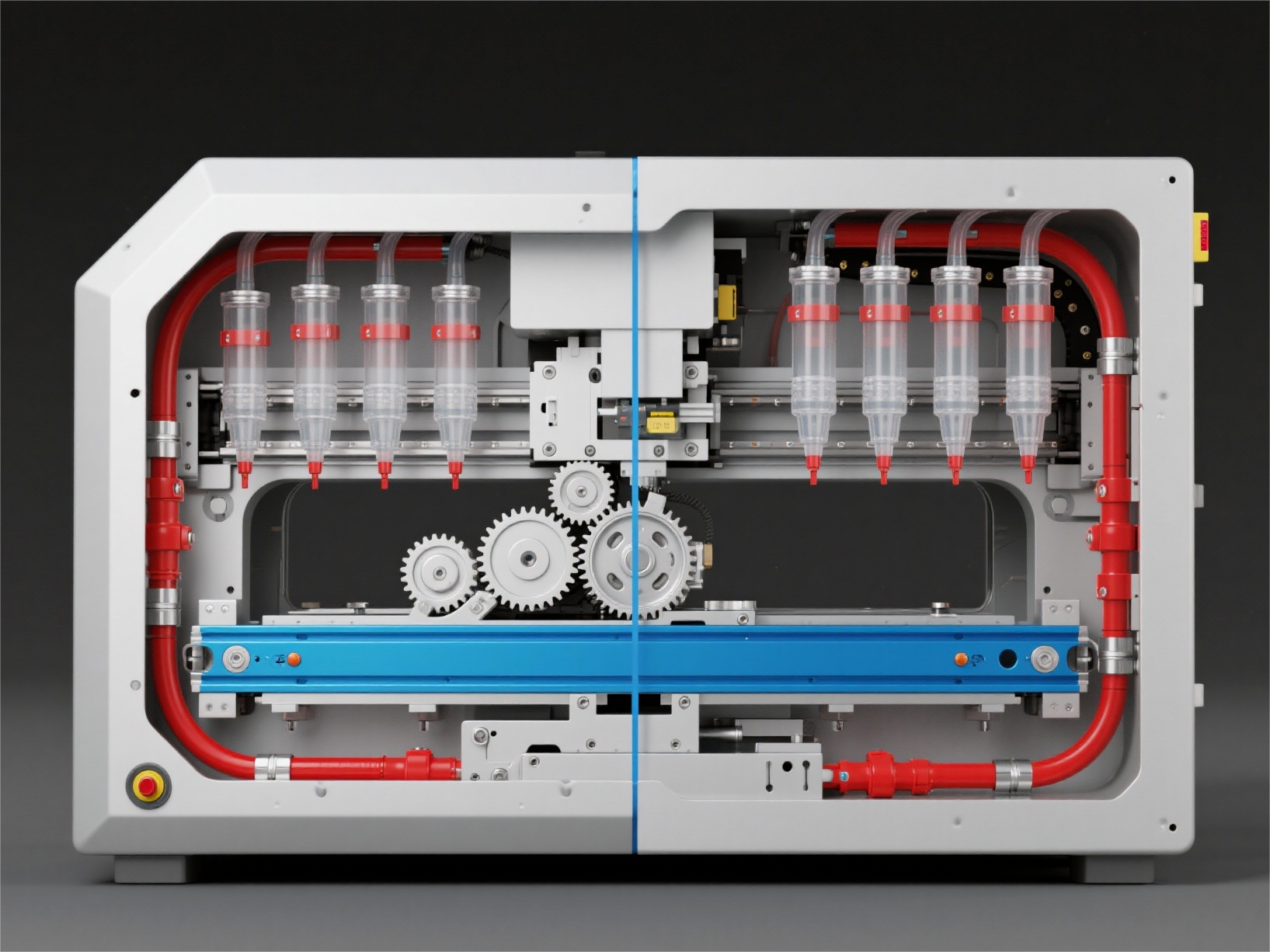
4.Operating Principle and Technical Features of Placement Machines The operating principle of SMT placement machines is to significantly improve the efficiency and precision of electronics manufacturing through efficient material feeding, precise visual recognition, flexible placement, and intelligent control systems. Specifically, it includes the following key systems:
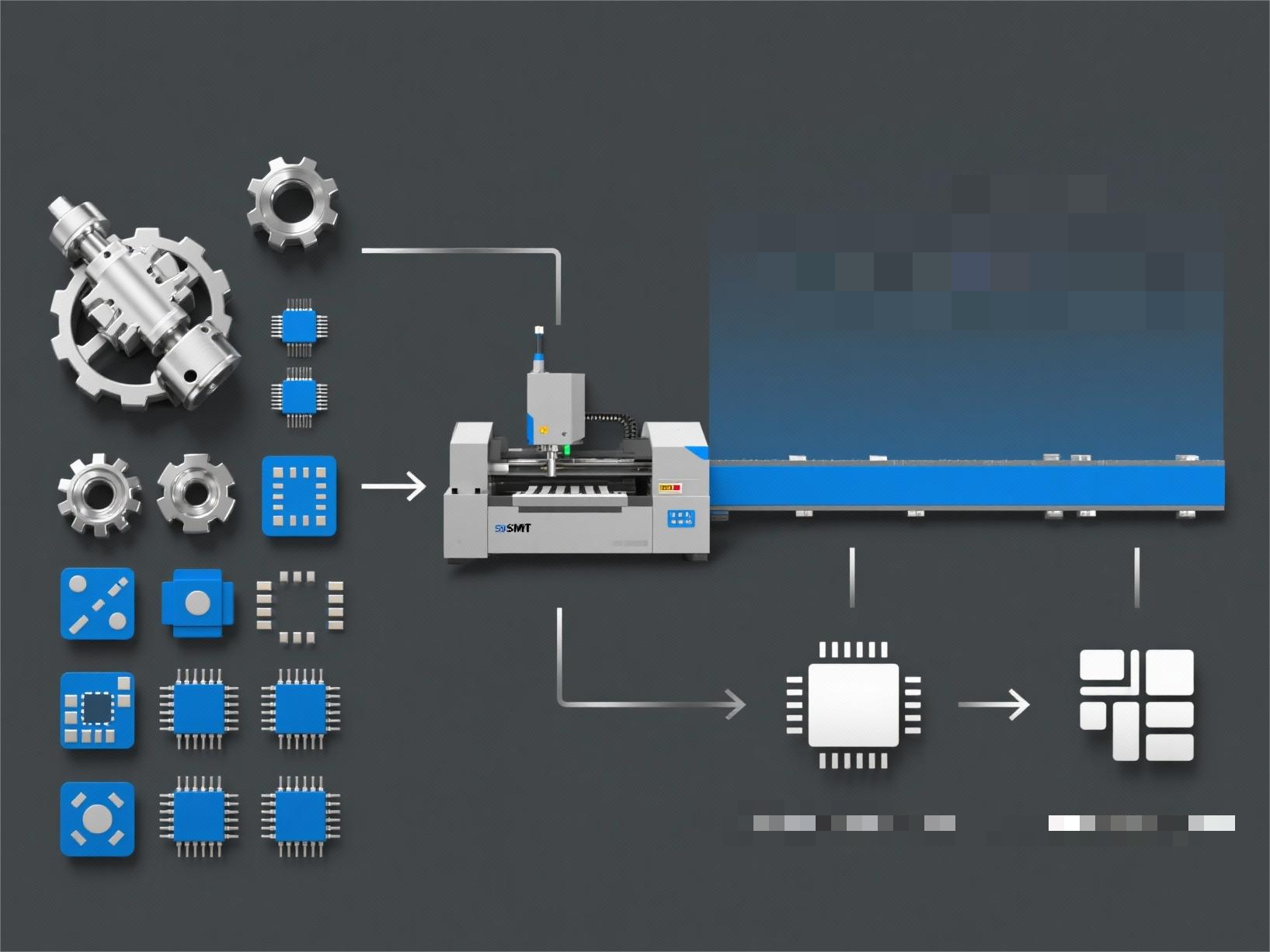
5.Industry Chain Structure and Competitive Landscape From an industry chain perspective, the upstream of the SMT placement machine industry primarily includes mechanical parts, temperature control modules, precision lead screw vision systems, motors, guide rails, and sensors; the midstream encompasses the production and manufacturing of SMT placement machines; and the downstream focuses on consumer electronics (such as color TVs, laptops, mobile phones, and data cameras), automotive electronics, and integrated circuits. China has currently become a major manufacturer of SMT placement machines. Domestic SMT equipment companies have largely achieved domestic production of SMT equipment, including printing machines, welding, and testing equipment, and have captured a significant domestic market share through competitive pricing. However, high-end placement machines are still supplied by a small number of advanced equipment suppliers from abroad, and equipment brands are relatively concentrated.
Major companies in the industry include Beijing Zhongke Tongzhi Technology Co., Ltd., Jiangsu Tengshi Electromechanical Co., Ltd., Guangzhou Huangpai Automatic Equipment Co., Ltd., Beijing Borui Jingdian Technology Co., Ltd., and Shenzhen Yitong Automation Equipment Co., Ltd. Through continuous technological innovation and market expansion, these companies are gradually increasing the market share and technical level of domestic placement machines. 6.Policy Dividends and Development Opportunities In recent years, the Chinese government has introduced a number of support policies to improve production efficiency and reduce production costs in the electronics manufacturing industry. In September 2022, the General Office of the State Council issued the "Opinions on Deepening the Reform of the Management System of the Electronic and Electrical Industry," which proposed increasing support for the upgrading of basic electronics industries and breakthroughs in key technologies. The "Notice on the Guidelines for Equipment Upgrading and Technological Transformation in Key Industrial Sectors," issued in September 2024, also listed SMT placement machines as a key area for CNC system manufacturing equipment. Policies such as "Made in China 2025" are driving technological breakthroughs and increasing market share for local SMT manufacturers. Intelligent, flexible, and green technologies have become the core drivers of industry development. Emerging application scenarios and favorable policies are unlocking enormous market potential. SMT machines are evolving from stand-alone equipment to intelligent production line hubs, driving the upgrade of global electronics manufacturing towards high-end, customized, and sustainable manufacturing. 7.Industry Development Trends and Future Directions Higher Speed and Miniaturization The placement speed of SMT placement machines will continue to accelerate. New SMT placement machines utilize more advanced mechanical structures and motion control technologies to reduce mechanical inertia and motion time during the placement process, achieving higher placement speeds. Some high-end SMT placement machines can achieve placement speeds of hundreds of thousands of pieces per hour or even higher, significantly improving the efficiency of large-scale production and reducing production costs. To adapt to the trend toward miniaturization of electronic products, SMT placement machines themselves are also moving towards miniaturization. Equipment manufacturers are continuously optimizing their structural designs, adopting more compact layouts and advanced manufacturing processes. While ensuring performance, these efforts reduce equipment footprint and size, saving production space for companies and facilitating equipment integration and automated production line construction. High Precision and Flexibility In the future, the placement accuracy of SMT placement machines will be further improved to meet the growing demand for smaller and more sophisticated electronic products. Placement accuracy is expected to reach ±0.001mm or even higher, enabling precise placement of ultra-small components such as 01005 and 008004. At the same time, the flexibility of these machines will continue to increase, offering greater compatibility and adjustability, enabling them to quickly adapt to the placement of various electronic components of varying types and sizes, as well as diverse production process requirements. By utilizing advanced visual recognition systems and intelligent control systems, these machines can automatically identify component types and specifications and quickly adjust according to pre-set procedures, significantly reducing production changeover time and improving production efficiency and flexibility.
Intelligence and Automation The efficiency, accuracy, and functionality of placement machines have always been in conflict. New placement machines are striving to achieve high speed, high precision, and multi-functionality. With the continuous development of surface mount components (SMC/SMD), their packaging formats are also constantly evolving. New packages such as BGA, FC, and CSP place increasingly stringent requirements on placement machines. Some advanced placement machines utilize "on-the-fly inspection" technology, where the placement head inspects the placement components while they are in operation after they are picked up, to improve placement efficiency. Other companies have incorporated intelligent control into their new placement machines, enabling them to maintain high production capacity while reducing error rates. Modularity and Flexible Production To enhance adaptability and efficiency, new placement machines are developing flexible placement systems and modular structures. Some companies have changed the traditional concept, dividing placement machines into a control unit and functional modules. These two units are flexibly combined to meet diverse user needs. Another development direction for modularization is functional module assembly. This involves standardizing the main unit of the placement machine, equipped with a unified standard machine base platform and a universal user interface. The various functions of dispensing and placement are integrated into functional module components. Users can install or replace the required functional module components on the main unit as needed to achieve new functions. 8.Future Development Space and Opportunities The application of 5G technology presents broad development potential for the SMT placement machine industry. In the 5G era, the smart Internet of Things, smart driving, and the Industrial Internet will experience rapid growth. For example, a large number of smart devices, such as smart home appliances and smart wearables, will need to connect to 5G networks. The manufacturing of these devices requires SMT technology to achieve miniaturized and integrated placement of electronic components. In the field of smart driving, 5G technology enables high-speed communication between vehicles (V2V) and vehicles (V2I). This requires higher performance and reliability in automotive electronic systems, driving the upgrading of SMT technology in the automotive electronics sector. These emerging application scenarios present unprecedented development opportunities for the SMT placement machine industry. 9.Conclusion With the deepening advancement of intelligent manufacturing and the dual benefits of domestic substitution, China's SMT placement machine industry is experiencing unprecedented development opportunities. It is estimated that by 2025, the demand for SMT placement machines in China will reach 64,312 units.1 Domestic placement machine manufacturers must seize this historic opportunity, continuously improve their technology and service capabilities, achieve breakthroughs in the high-end market, and help China's electronics manufacturing industry move towards the upper end of the global value chain. For electronics manufacturers, selecting the right SMT placement machine equipment is crucial. Consider not only the equipment's performance and price, but also its reliability, flexibility, and ongoing service support. Only by choosing the right equipment can they maintain competitiveness in the fierce market and meet the new challenges and opportunities of future electronics manufacturing.
|
The Evolution and Future of SMT Pick and Place Machines in China’s Electronics Manufacturing
2025-09-01 eton