|
In modern electronics manufacturing, smaller components, higher-density PCBs, and increasingly complex designs are pushing SMT placement requirements to a new level. For manufacturers working with 0201 components, fine-pitch ICs, QFPs, BGA packages, or high-density LED boards, placement accuracy can directly affect soldering quality, product reliability, and overall production yield. But what actually determines SMT placement accuracy? Is it simply the accuracy specification of the pick-and-place machine? Not exactly. Placement accuracy is the result of multiple systems working together—from mechanical motion and vision recognition to nozzles, feeders, PCB handling, component characteristics, and environmental conditions. In other words:
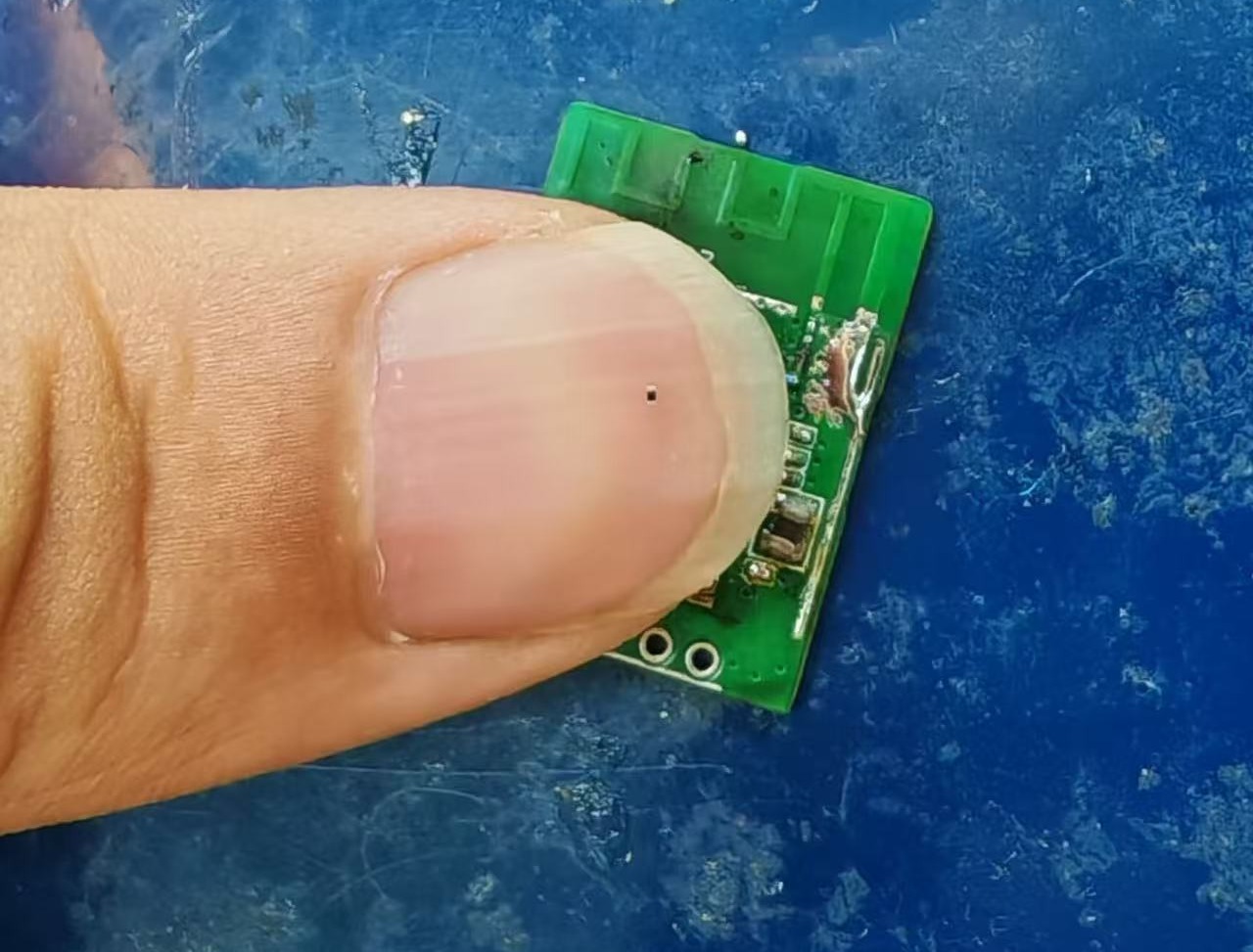
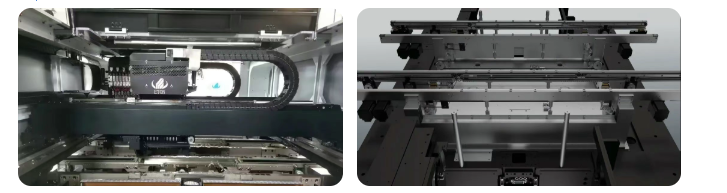
Let’s take a closer look at the key factors behind accurate SMT placement. 01|Mechanical Motion: The Foundation of Placement AccuracyBefore a component can be accurately placed, the machine must first move accurately. The placement head needs to travel along the X, Y, and Z axes while maintaining precise positioning throughout high-speed operation. Any mechanical error—such as vibration, backlash, deformation, or positioning deviation—can eventually appear as placement error on the PCB. This becomes even more important when placing very small components. For example, a 0201 component is only approximately 0.6 mm × 0.3 mm. At this scale, even a very small positioning deviation can become significant relative to the component itself. This is why a high-precision SMT machine needs more than a fast motor. It requires a mechanical structure designed for:
A machine may achieve excellent accuracy under ideal conditions, but maintaining that accuracy throughout continuous production is the real challenge. Precision starts with controlled motion.
02|Vision Recognition: Knowing Exactly Where the Component IsEven if the placement head moves perfectly, the machine still needs to know the exact position and orientation of the component. This is where the vision system becomes critical. Before placement, the machine needs to recognize the component and determine:
The machine then uses this information to compensate for any deviation before placing the component. For small or high-precision components, the quality of vision recognition can have a significant impact on final placement accuracy. A component may not always be picked up in exactly the same position. The PCB may also have small positioning deviations. The vision system helps the machine identify these differences and make real-time corrections. This is particularly important for applications involving: 0201 components, fine-pitch ICs, BGA, QFP, and other high-density devices. The better the machine can recognize and compensate for these variations, the more consistently it can place components where they need to be.
03|Motion Control: Speed Must Be ControlledHigh-speed placement creates another challenge. When the placement head moves faster, acceleration and deceleration become more significant. If motion is not properly controlled, vibration and mechanical instability can affect placement accuracy. This is why:
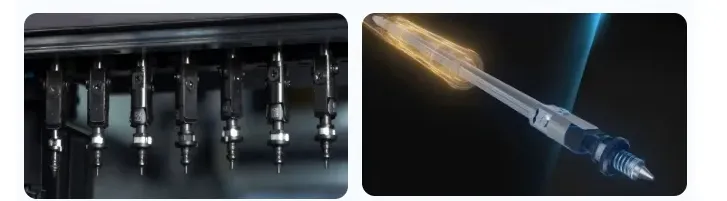
A machine that simply moves faster is not necessarily a better machine. The real goal is to achieve: High Speed + Controlled Motion + Consistent Accuracy Advanced motion control systems help coordinate acceleration, deceleration, positioning, and placement timing. The result is smoother movement and better control during high-speed operation. This matters especially in continuous production, where thousands or millions of placement cycles may be performed. Maintaining accuracy over the first few boards is one thing. Maintaining it throughout a long production run is another. 04|Nozzle Selection: A Small Part with a Big ImpactThe nozzle is the direct connection between the machine and the component. It picks up the component, transports it, rotates it when necessary, and releases it onto the PCB. That makes nozzle selection an important part of placement accuracy. Different components may require different nozzle sizes and designs. If the nozzle does not match the component properly, several problems can occur:
This becomes particularly challenging when manufacturers run mixed production containing components of different sizes and shapes. A production line may need to handle everything from small chip resistors and capacitors to larger ICs and connectors. Therefore, accurate placement is also closely related to proper nozzle selection and management. The smaller the component, the less room there is for error.
05|Feeder Performance: Accuracy Starts Before PickupThe feeder is another often-overlooked factor. Before a component reaches the placement head, it must first be presented accurately and consistently by the feeder. If component presentation is unstable, the placement machine may experience:
This is especially important for small components. For high-volume production, thousands of components may be supplied through feeders during a single production run. Consistent feeding therefore becomes an important part of maintaining overall placement performance. A high-precision placement machine needs not only accurate motion and vision, but also a stable material supply system.
06|PCB Positioning: The Board Must Be StableThe machine cannot place components accurately if the PCB itself is not positioned consistently. PCB support, clamping, board deformation, and fiducial recognition can all influence placement performance. During production, the machine needs to determine the exact position of the PCB before placement. Fiducial marks are commonly used as reference points. The vision system detects these marks and compares their actual positions with the programmed coordinates. The machine can then compensate for small positional deviations. For larger or thinner PCBs, board deformation can become another consideration. This is why PCB handling should be treated as part of the overall placement accuracy system—not simply as a transport step. 07|Component Characteristics Matter TooNot every component behaves the same way. Different component sizes, shapes, weights, surfaces, and packaging methods can affect pickup and placement performance. For example, small chip components may require extremely stable vacuum pickup, while larger or irregularly shaped components may require different nozzle designs and placement strategies. Some components may also be more sensitive to rotation or orientation. Therefore, machine performance should always be evaluated together with the actual components used in production. This is particularly important when selecting an SMT machine. Instead of asking only: “What is the machine's placement accuracy?” Manufacturers should also ask: “Can the machine maintain the required accuracy with my actual components and PCB designs?” That is a much more meaningful question. 08|Temperature, Vibration and the Production EnvironmentSMT placement takes place in a real factory environment—not in a laboratory. Temperature changes, external vibration, dust, and machine operating conditions can all influence long-term performance. Mechanical components expand and contract with temperature changes. External vibration can affect positioning stability. Dust and contamination can affect moving parts, nozzles, and sensors. For this reason, machine accuracy should not only be considered as a static specification. Long-term stability matters just as much. A reliable SMT machine should be designed to maintain consistent performance under normal production conditions. 09|Calibration and Maintenance: Accuracy Must Be MaintainedEven a high-precision machine requires regular maintenance and calibration. Mechanical components wear over time. Nozzles can become contaminated. Feeders may require adjustment. Vision systems may need calibration. If these issues are ignored, placement accuracy can gradually deteriorate. A proper maintenance program should therefore include regular checks of:
The objective is not simply to restore accuracy after a problem occurs. It is to prevent small deviations from becoming production problems. Stable accuracy is maintained, not assumed. What Should Manufacturers Look at When Evaluating SMT Accuracy?When comparing different SMT machines, it is easy to focus on one number in the specification sheet. For example: Placement Accuracy: ±20 μm But that number should not be evaluated in isolation. Manufacturers should consider the complete system: Mechanical SystemCan the machine maintain precise and repeatable movement? Vision SystemCan it accurately recognize component position and orientation? Motion ControlCan it maintain stability during high-speed acceleration and deceleration? Nozzle SystemCan components be picked up and placed consistently? Feeder SystemCan components be supplied accurately and reliably? PCB HandlingCan the board be positioned and supported consistently? Software & CalibrationCan the system compensate for real-world variation? Long-Term StabilityCan the machine maintain its performance during continuous production? These factors work together to determine the actual placement result. Accuracy Is More Than a NumberIn SMT manufacturing, placement accuracy is often presented as a specification. But in real production, accuracy is a system-level result. A machine may have impressive theoretical performance, but what matters to manufacturers is whether it can consistently place components accurately across different boards, component types, production speeds, and operating conditions. This becomes increasingly important as electronics continue to become smaller, denser, and more complex. From 0201 components to fine-pitch ICs, BGA packages, LED devices, and high-density electronic assemblies, manufacturers need equipment that can balance: Precision. At ETON, we focus on developing SMT placement solutions that combine precision motion control, vision recognition, reliable feeding, and stable machine performance. Because in real manufacturing:
If you are evaluating SMT equipment for high-precision or high-density PCB production, talk to ETON about your components, PCB design, production volume, and placement requirements. The right SMT solution starts with understanding your production—not simply choosing a number from a specification sheet. |
What Determines SMT Placement Accuracy?
2026. g. 24. aug. ETON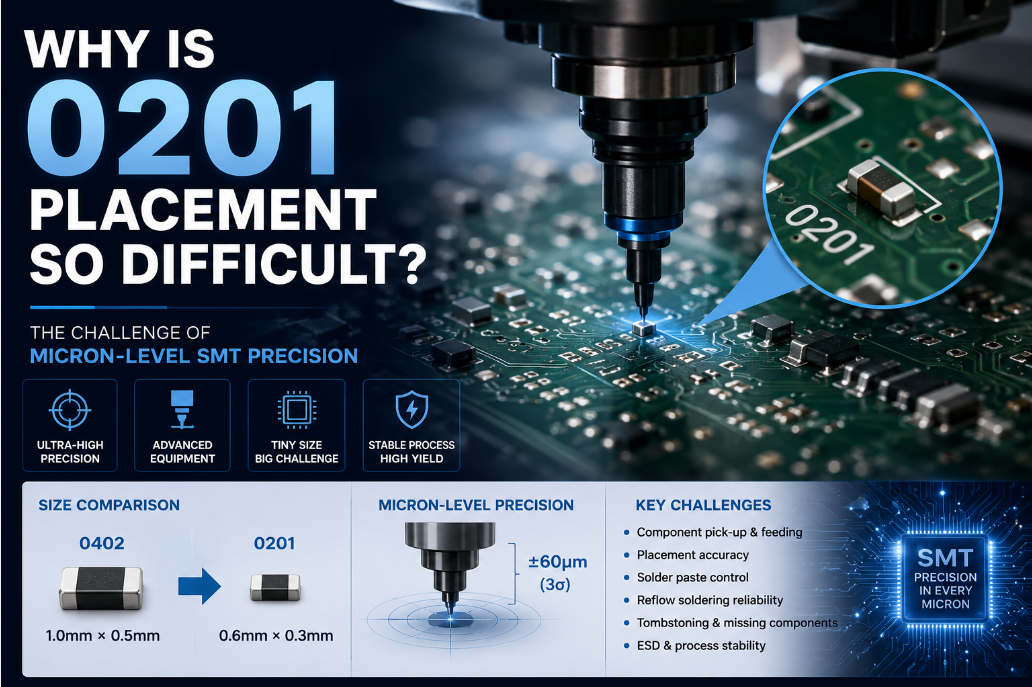
-4.png?w=536&h=769)