|
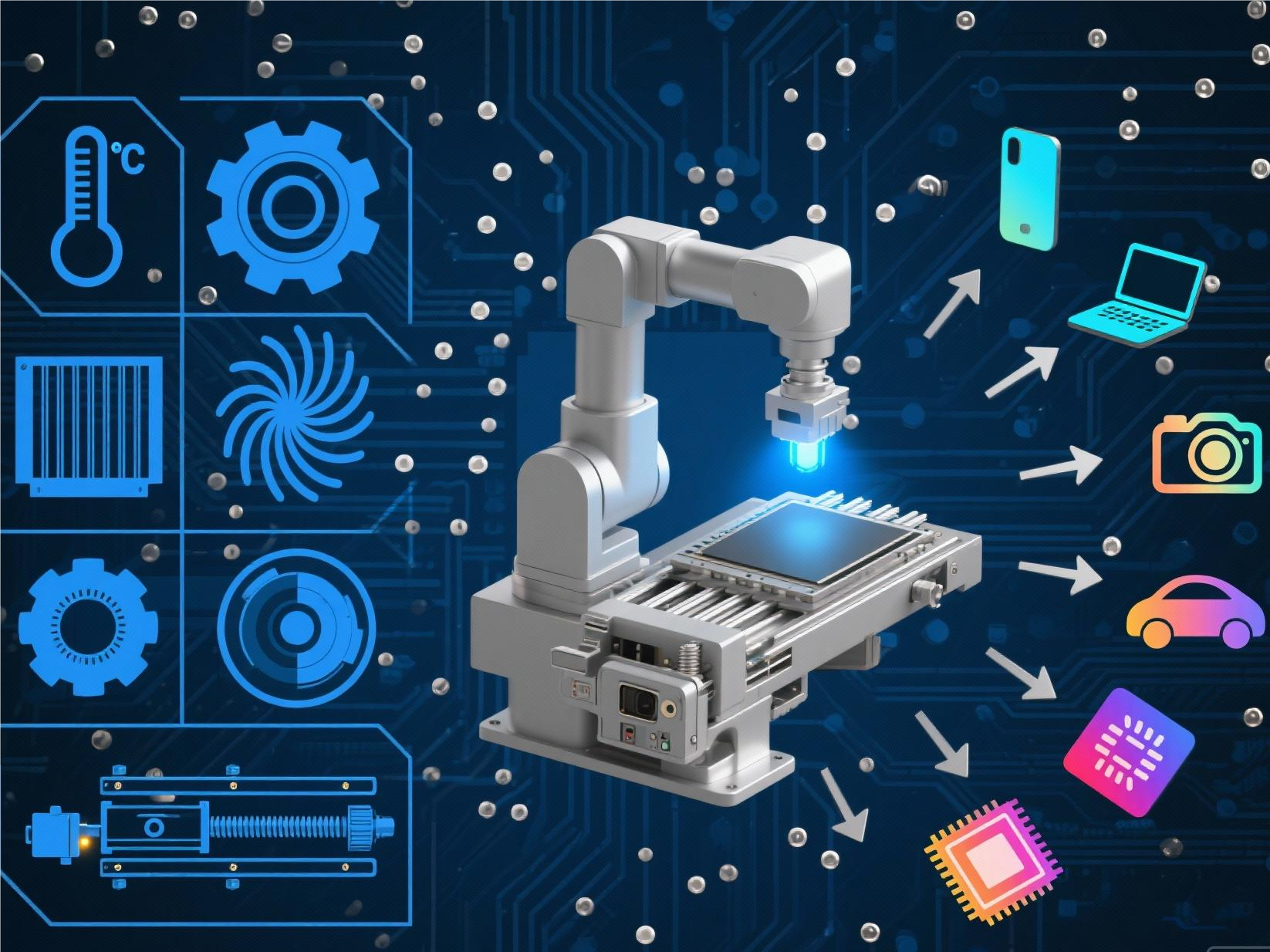
Introduction: The Silent Revolution of Pick-and-Place Machines In today's ubiquitous electronic world, a technology is quietly driving this revolution behind the scenes: surface mount technology (SMT). Whether you're holding a smartphone, using a smartwatch, or driving a modern car, the production of the electronic modules within is inseparable from a key piece of equipment: an SMT placement machine. These high-precision machines place tiny components on printed circuit boards with astonishing speed and accuracy, enabling the miniaturization and high performance of electronic devices. With the dual dividends of smart manufacturing and domestic substitution being unleashed, China's placement machine industry is experiencing unprecedented development opportunities. According to statistics, demand for SMT placement machines in China is expected to reach 64,312 units by 2025, with the market size continuing to expand. Behind this prosperous scene are countless technological innovations and market forces. Overview of the Chip Mounting Machine Industry: From Basics to Cutting-Edge SMT stands for Surface Mount Technology. An SMT placement machine, also known as a "placement machine" or "surface mount system," is a device placed after a dispensing machine or screen printer in a production line. It uses a mobile placement head to accurately place surface mount components on PCB pads.In reality, an SMT placement machine is a precision industrial robot, integrating mechanical, electrical, optical, and computer control technologies. The SMT placement machine industry chain encompasses upstream industries such as mechanical parts, temperature control modules, precision lead screw vision systems, motors, guide rails, and sensors; midstream includes the production and manufacturing of SMT placement machines; and downstream industries primarily include consumer electronics (such as color TVs, laptops, mobile phones, and data cameras), automotive electronics, and integrated circuits.
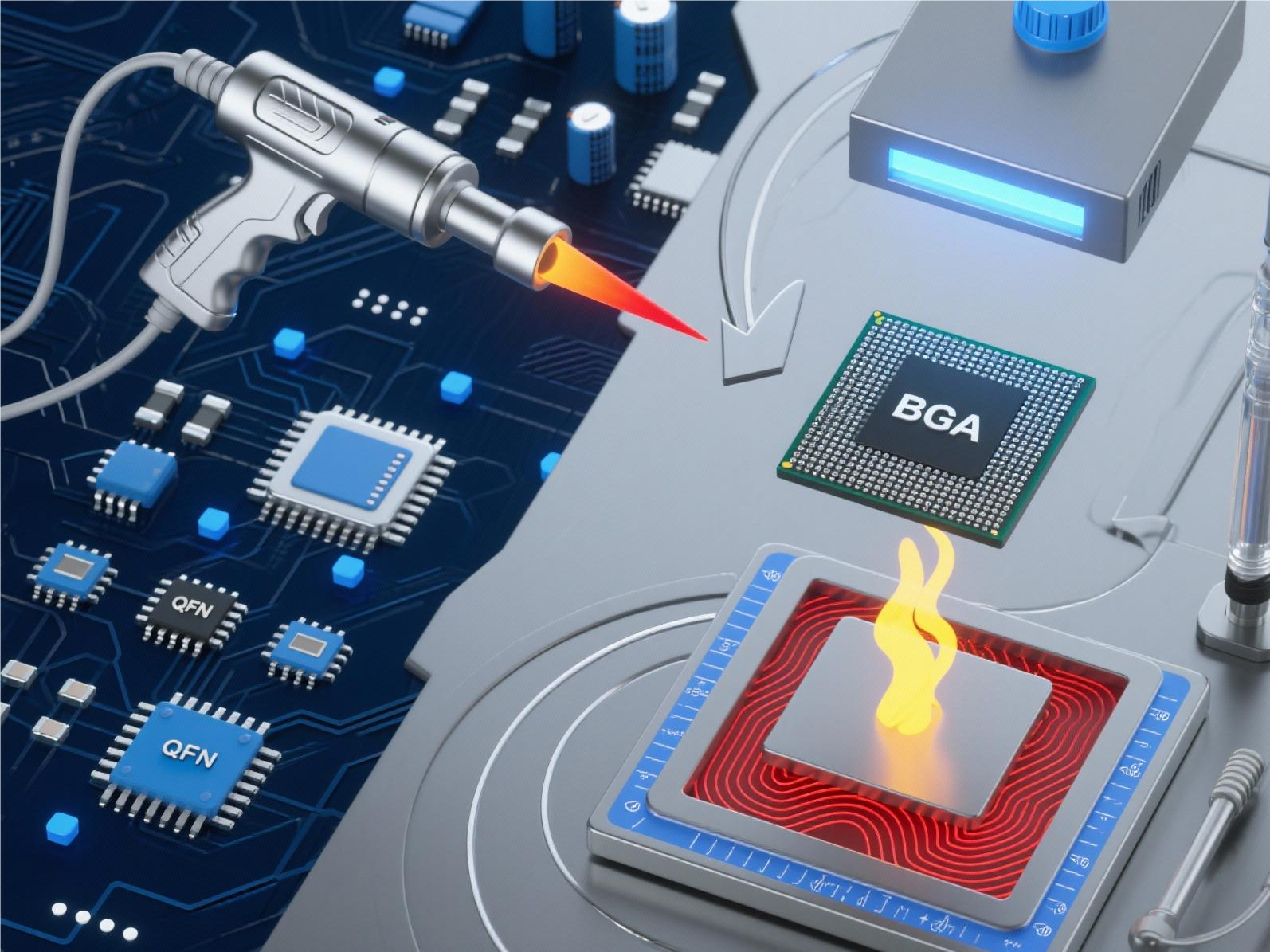
Technological Evolution: Continuous Breakthroughs in Precision and Speed Smatch machine technology has made remarkable progress in recent years. In terms of precision, Huafeng Technology's newly released AvantGo E2 high-precision die bonder achieves a basic accuracy of ±5μm@3σ (with an optional ±2μm@3σ ultra-high precision package) and an angular accuracy of ±0.05°. This level of accuracy is sufficient to meet the requirements of the most advanced chip packaging, especially the alignment challenges encountered in large-size chip packaging. In terms of speed, the new die bonder utilizes more advanced mechanical structures and motion control technologies to reduce mechanical inertia and motion time during the placement process, achieving higher placement speeds. Some high-end die bonders can even reach placement speeds of hundreds of thousands of wafers per hour, significantly improving the efficiency of large-scale production. Notably, MRSI has developed a submicron die bonder with dual precision of 0.5μm and 1.5μm. This is the world's first fully automatic submicron die bonder with dual precision, offering industry-leading speed and exceptional flexibility. The equipment supports a variety of processes, including three heating options for the eutectic process: bottom eutectic table heating, top tip heating, and laser heating. It supports wafer loading up to 8 inches and wafer output up to 12 inches. Hot Air Rework Station: A Key Tool for Precision Repair During the SMT production process, component placement errors or failures are inevitable. In these situations, a hot air rework station plays an irreplaceable role. Hot air guns and rework stations are key tools for electronics repair, soldering, and component removal and assembly, especially when working with surface mount devices (SMDs) or BGA packaged chips. A hot air gun melts solder through a high-temperature airflow (adjustable from 200-500°C), enabling contactless desoldering and preventing mechanical damage. It is particularly suitable for micro-SMD components (resistors, capacitors, QFP, QFN packaged chips, etc.) and when multiple solder joints need to be heated simultaneously. A professional rework station integrates a hot air gun, a bottom preheating station, and a vacuum pick to safely remove and install challenging packages like BGA chips. It can precisely control the upper and lower heating temperature profiles, simulating the reflow soldering process.
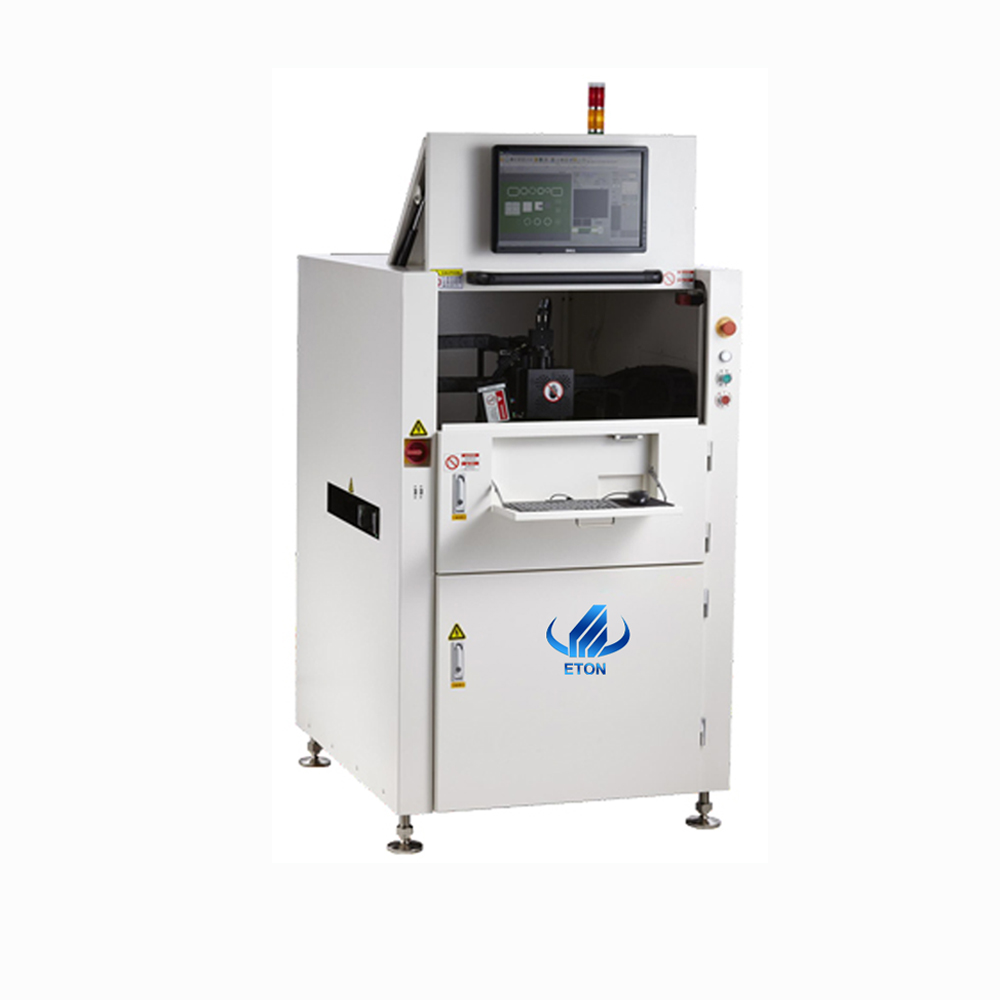
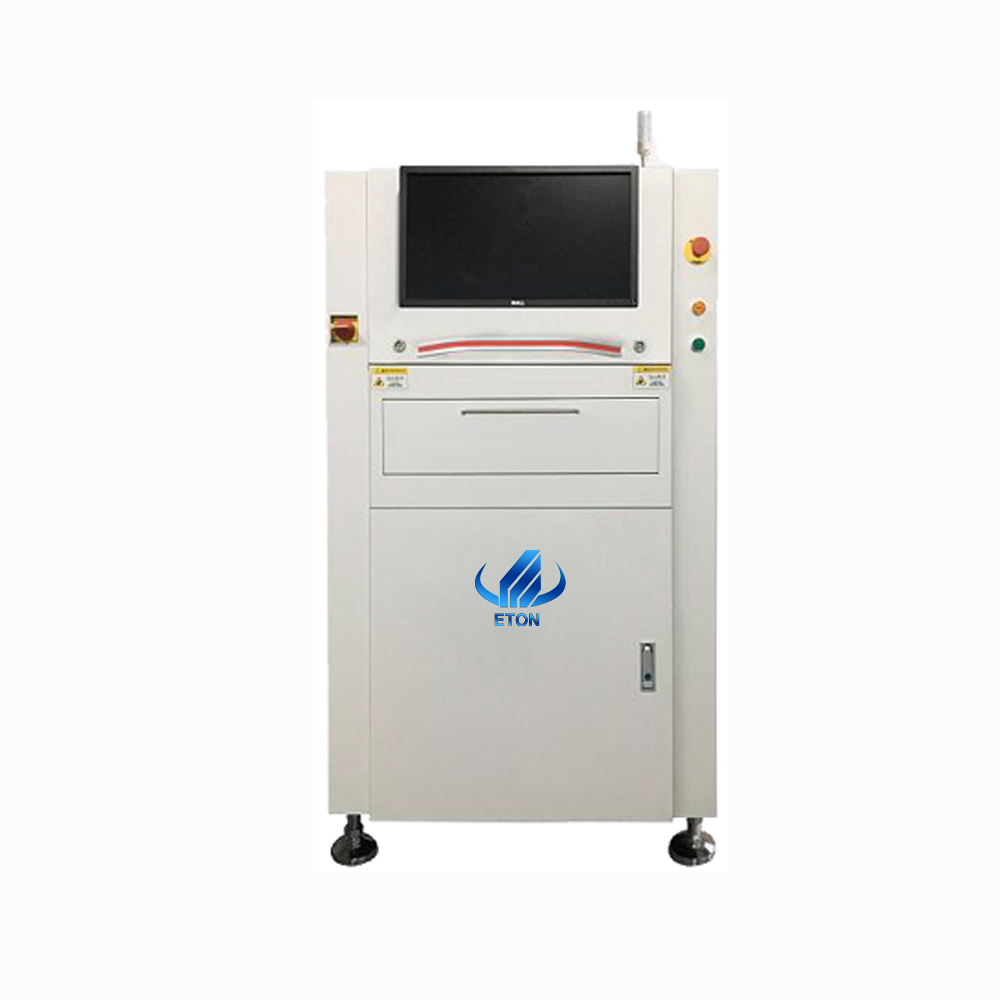
Using a hot air rework station requires significant skill and experience. Temperature and air volume should be adjusted according to component type: standard SMD components require 300-350°C with medium-low air volume, while BGA chips require 350-420°C with high air volume (preheating the bottom). Technique is also crucial: maintain the air gun at a 45° angle to the PCB and apply heat evenly in circular motions. SMD and SMT Soldering Techniques: A Blend of Art and Science SMD soldering (surface mount device soldering) and SMT soldering (surface mount technology soldering) are core processes in electronics manufacturing. As electronic components shrink in size, the requirements for soldering technology are becoming increasingly demanding. Modern SMT soldering has developed a variety of process methods, including reflow soldering, wave soldering, and selective soldering. Reflow soldering is the most commonly used SMT soldering method, requiring precise control of the temperature profile to melt the solder paste and form reliable solder joints. For SMD soldering, especially for micro-components and BGA components with invisible solder joints, X-ray inspection and automated optical inspection (AOI) are essential to ensure solder quality. Hot air reflow soldering technology is widely used in modern SMT soldering. It uses convection heating to uniformly heat the assembled board, reducing soldering defects caused by thermal capacity differences. Some high-end rework stations are also equipped with closed-loop temperature control systems that monitor solder joint temperature in real time and automatically adjust heating parameters to ensure stable and consistent soldering quality. Market Landscape: A Clash of International Giants and Domestic Newcomers The global SMT placement machine market presents a highly concentrated competitive landscape. Major manufacturers include international giants such as ASM Pacific Technology (ASMPT), Fuji, Panasonic, Hanwha Precision Machinery, Yamaha Motor, and JUKI. In 2024, the global SMT placement machine market was estimated to be US$4.061 billion and is expected to reach US$6.420 billion by 2031, with a compound annual growth rate of 6.9%. The Chinese market has become one of the world's most important placement machine markets. By 2023, China's SMT placement machine market size will grow from 17.717 billion yuan in 2017 to 32.81 billion yuan; the industry's market size is estimated to reach approximately 36.642 billion yuan in 2024. 5 Domestic companies involved include Beijing Zhongke Tongzhi Technology Co., Ltd., Jiangsu Tengshi Electromechanical Co., Ltd., Guangzhou Huangpai Automation Equipment Co., Ltd., Beijing Borui Jingdian Technology Co., Ltd., and Shenzhen ETON Automation Equipment Co., Ltd.
Notably, Chinese companies are making breakthroughs in high-end placement machines. For example, Huafeng Technology's AvantGo E2 high-precision placement machine, with its unique solder head-track collaborative heating system, can suppress substrate warping by 70%, providing critical process assurance for memory chip stacking production lines. As of the first quarter of 2025, Huafeng Technology's global customers exceeded 50, including industry giants such as TSMC, ASE, STMicroelectronics, Changdian Technology, and Futong. Application Areas: Comprehensive Coverage from Consumer Electronics to Automotive Electronics SMT placement machines have a wide range of applications, primarily including: 1.Consumer Electronics: Smartphones, Tablets, Laptops, etc.; 2.Communications Equipment: 5G Base Stations, Network Equipment, Optical Communication Modules, etc.; 3.Automotive Electronics: Engine Control Units, Sensors, Driver Assistance Systems, etc.; 4.Medical Equipment: Monitoring Equipment, Imaging Systems, Portable Medical Devices, etc.; 5.Industrial Automation: PLCs, Industrial Computers, Robotic Control Systems, etc. With the rise of emerging industries such as 5G technology, the Internet of Things, and new energy vehicles, the number and variety of electronic components are increasing, creating new demand for the placement machine market. In particular, the electronic control systems, sensors, and battery management systems of new energy vehicles have a high demand for automatic placement machines, further driving the development of fully automatic placement machines. Future Trends: Intelligence, Flexibility, and Green Manufacturing The future development of the placement machine industry will demonstrate the following major trends: 1.Higher Speed and Miniaturization: New placement machines will utilize more advanced mechanical structures and motion control technologies to reduce mechanical inertia and motion time during the placement process, achieving higher placement speeds. At the same time, to adapt to the trend of miniaturization of electronic products, SMT placement machines themselves will also develop in the direction of miniaturization. 2.High Precision and Flexibility: In the future, the placement accuracy of SMT placement machines will be further improved to meet the continuous demand for miniaturization and sophistication of electronic products. The placement accuracy of SMT placement machines is expected to reach ±0.001mm or even higher, enabling precise placement of ultra-small components such as 01005 and 008004. 3.Intelligence and Automation: By integrating machine vision, artificial intelligence, and advanced algorithms, SMT placement machines can automatically optimize placement paths, monitor placement quality in real time, and perform predictive maintenance, significantly improving production efficiency and product quality. 4.Green and Environmental Protection: The research and application of energy-saving and emission-reduction technologies, the use of sustainable materials, and waste disposal have become key development directions for SMT placement machine technology. Investment and Policy Environment: Multiple favorable factors drive development. The Chinese government has provided strong support for the SMT placement machine industry. In September 2022, the General Office of the State Council issued the "Opinions on Deepening the Reform of the Management System of the Electronic and Electrical Industry," proposing to coordinate relevant policy resources and strengthen support for upgrading and key technological breakthroughs in the basic electronics industry (including manufacturing of electronic materials, electronic components, specialized electronic equipment, and electronic measuring instruments). The "Notice on the Guidelines for Equipment Renewal and Technological Transformation in Key Industrial Sectors," issued in 2024, identified five key areas: mainframe manufacturing equipment, key component manufacturing equipment, functional component and tool accessory manufacturing equipment, CNC system manufacturing equipment, and industrial software and measuring instruments. These areas include SMT placement machines. These policies have created a favorable development environment for the placement machine industry, promoting technological innovation and market expansion. Investors should focus on placement machine manufacturers with independent R&D capabilities and continuous innovation, particularly those focused on high-growth sectors such as new energy vehicles and medical equipment. Conclusion: Accurately Positioning the Future SMT placement machines, as core equipment in the electronics manufacturing sector, are undergoing a profound transformation. From initial manual operation to today's fully automated intelligent production, and from low-precision to submicron ultra-high precision, the development of chip placement machine technology has driven progress across the electronics industry. With the intelligent upgrade of repair tools like hot air rework stations and the continuous innovation of SMD and SMT soldering technologies, the quality and efficiency of electronics manufacturing will continue to improve. Driven by emerging demands such as 5G, the Internet of Things, artificial intelligence, and new energy vehicles, the chip placement machine industry will continue to maintain rapid growth, providing solid support for the innovative development of the electronics manufacturing industry. Over the next decade, as Chinese companies continue to break through technological barriers in the high-end chip placement machine sector, the global chip placement machine market landscape is likely to be reshuffled. The evolution of Chinese chip placement machine companies from "standalone equipment" suppliers to "smart production line hub" solution providers will help global electronics manufacturing upgrade towards high-end, customized, and sustainable development. In this era of rapid technological advancement, although chip placement machines may not be as eye-catching as consumer electronics, they are the infrastructure that supports the digital world. Their evolution continues. |
The Evolution of SMT Placement: Precision, Innovation, and Market Trends
28. aug 2025 eton