|
In the world of electronics manufacturing, Surface Mount Technology (SMT) has become the invisible backbone that supports the devices we rely on every day. From smartphones and medical equipment to automotive systems and industrial controls, SMT enables the sophisticated electronics that power our modern world. This technology, which involves mounting electronic components directly onto the surface of printed circuit boards (PCBs), has largely replaced the older through-hole technology, allowing for smaller, faster, and more reliable electronic devices.
What is Surface Mount Technology (SMT)? Surface Mount Technology (SMT) is an automated manufacturing process where electronic components are placed directly onto the surface of PCBs without requiring drilled holes for leads. Unlike traditional through-hole technology (THT), SMT uses smaller components (Surface Mount Devices - SMDs) that are secured through reflow soldering, creating reliable electrical connections without lengthy leads passing through the board. The key advantages of SMT include:
The SMT Manufacturing Process: Precision Engineering The SMT process is a carefully orchestrated sequence of steps that requires precise control and monitoring to ensure quality outcomes. Step 1: Material Preparation and Inspection The foundation of quality SMT production begins with rigorous material control. Components must be carefully checked for specifications, and potential issues like pin coplanarity or pad oxidation. Similarly, PCBs are inspected for imperfections, as even minor defects can cause significant problems in the final product. The manufacturing environment is also crucial—SMT facilities typically maintain strict temperature and humidity controls (25±3°C, 45%-70% humidity) with specialized lighting and electrostatic protection systems to prevent damage to sensitive components.
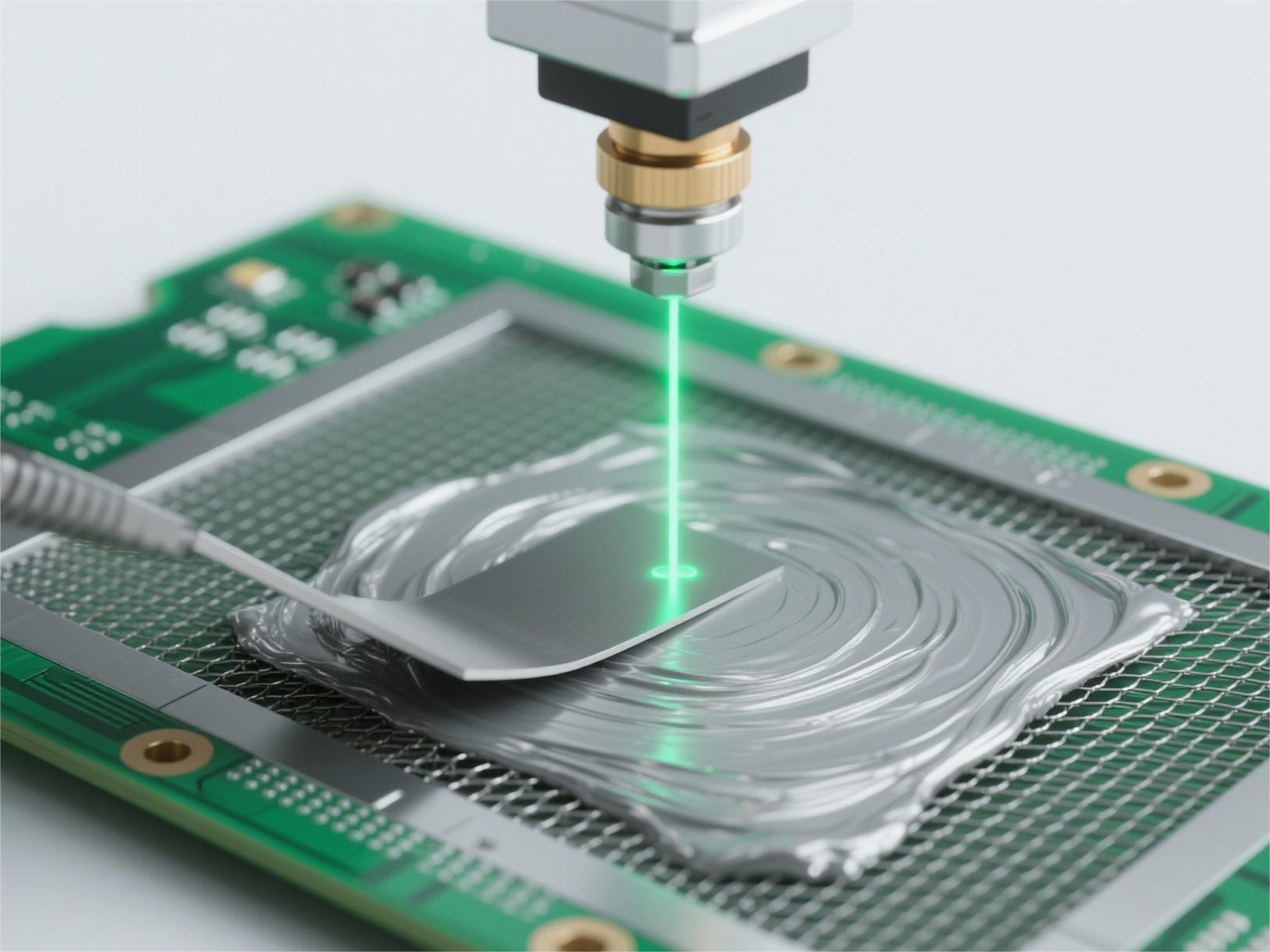
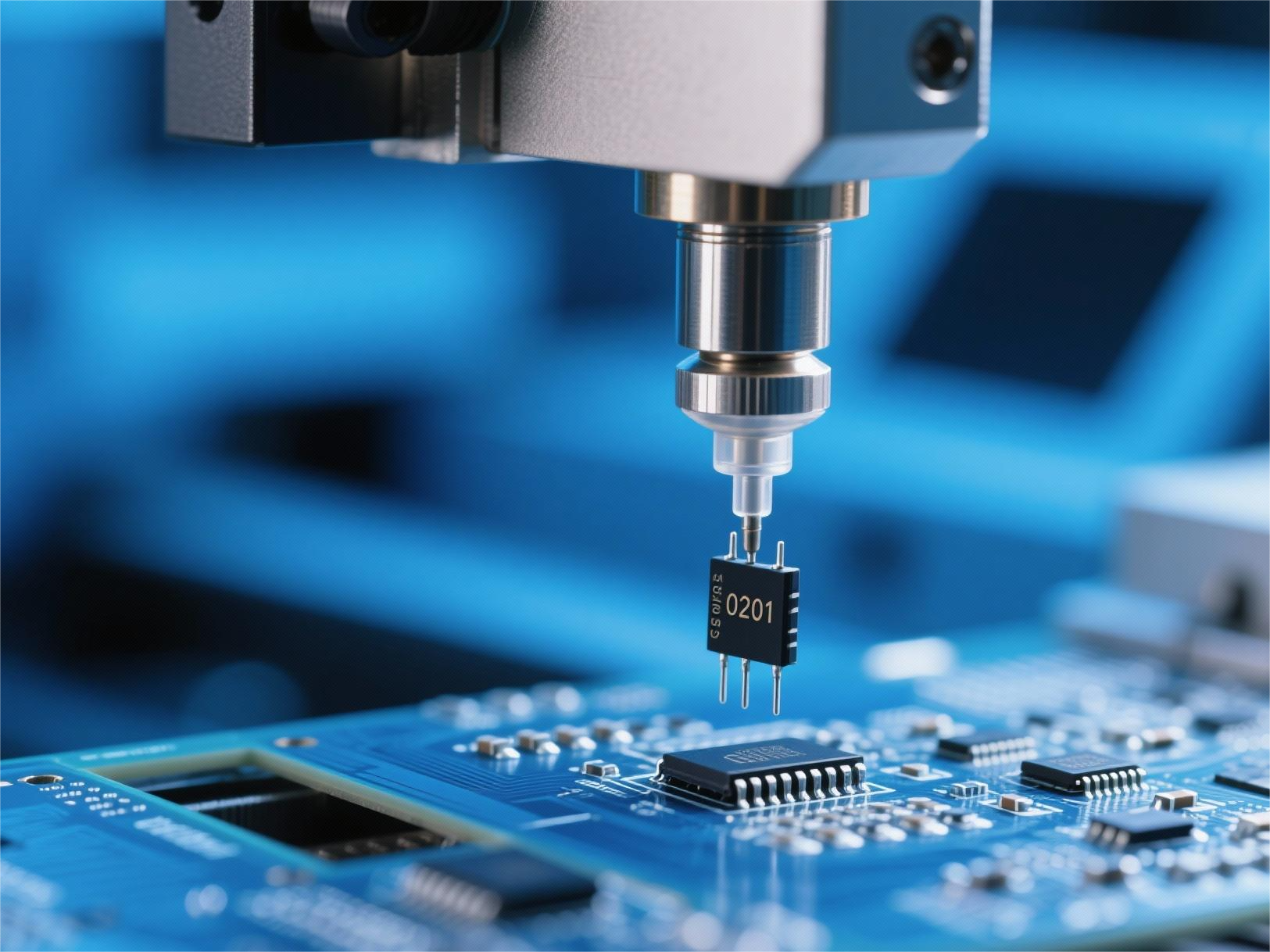
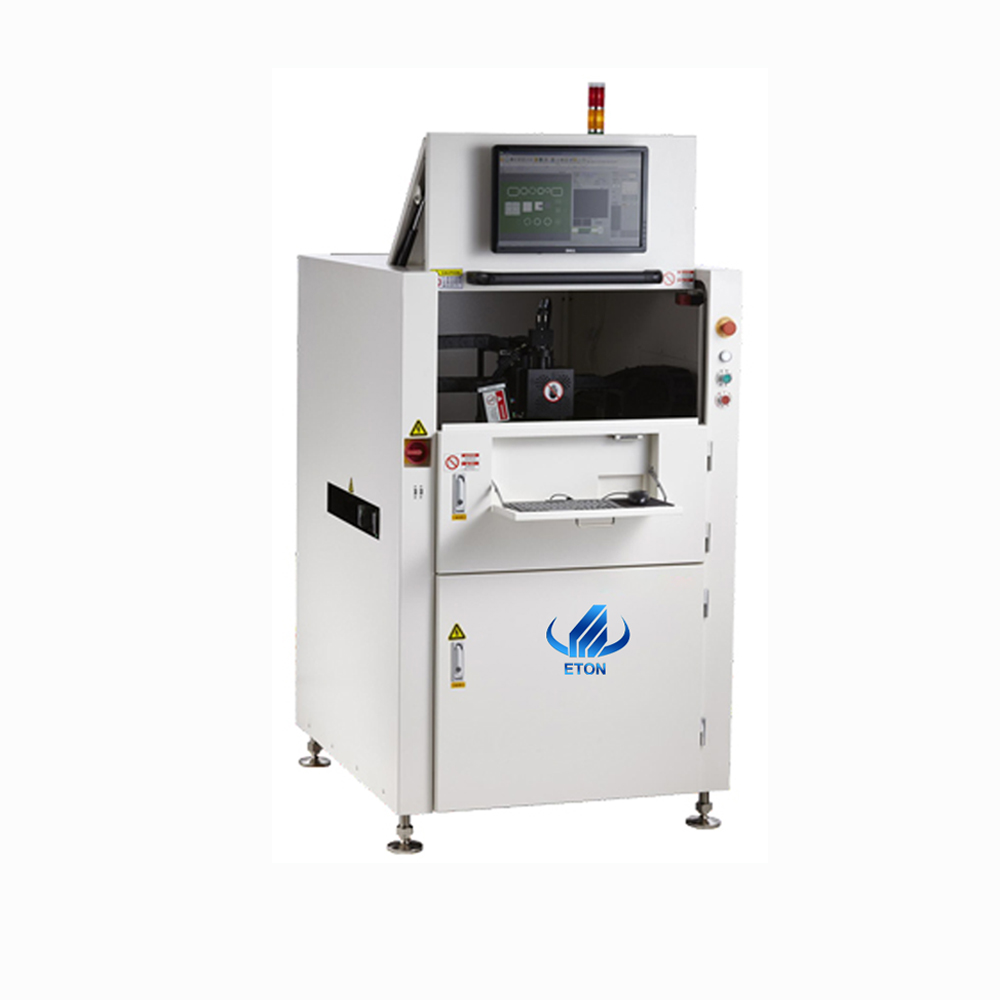
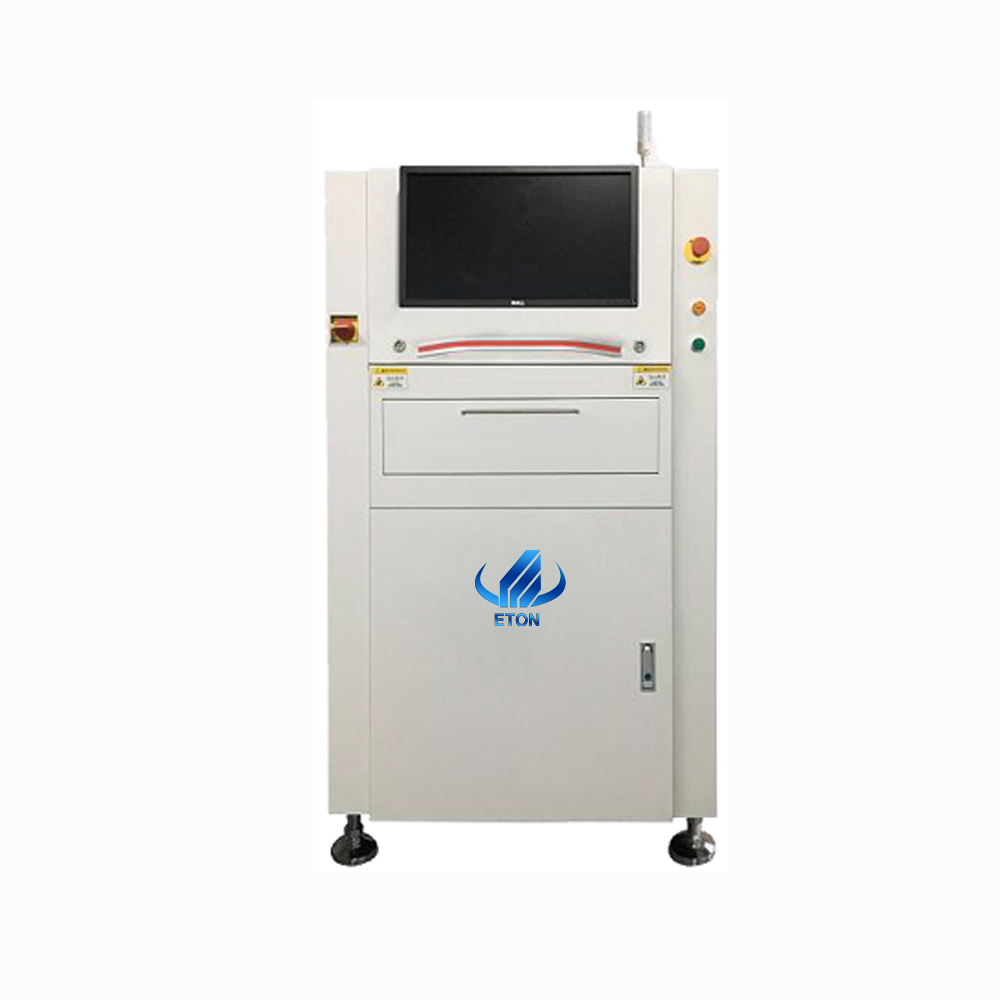
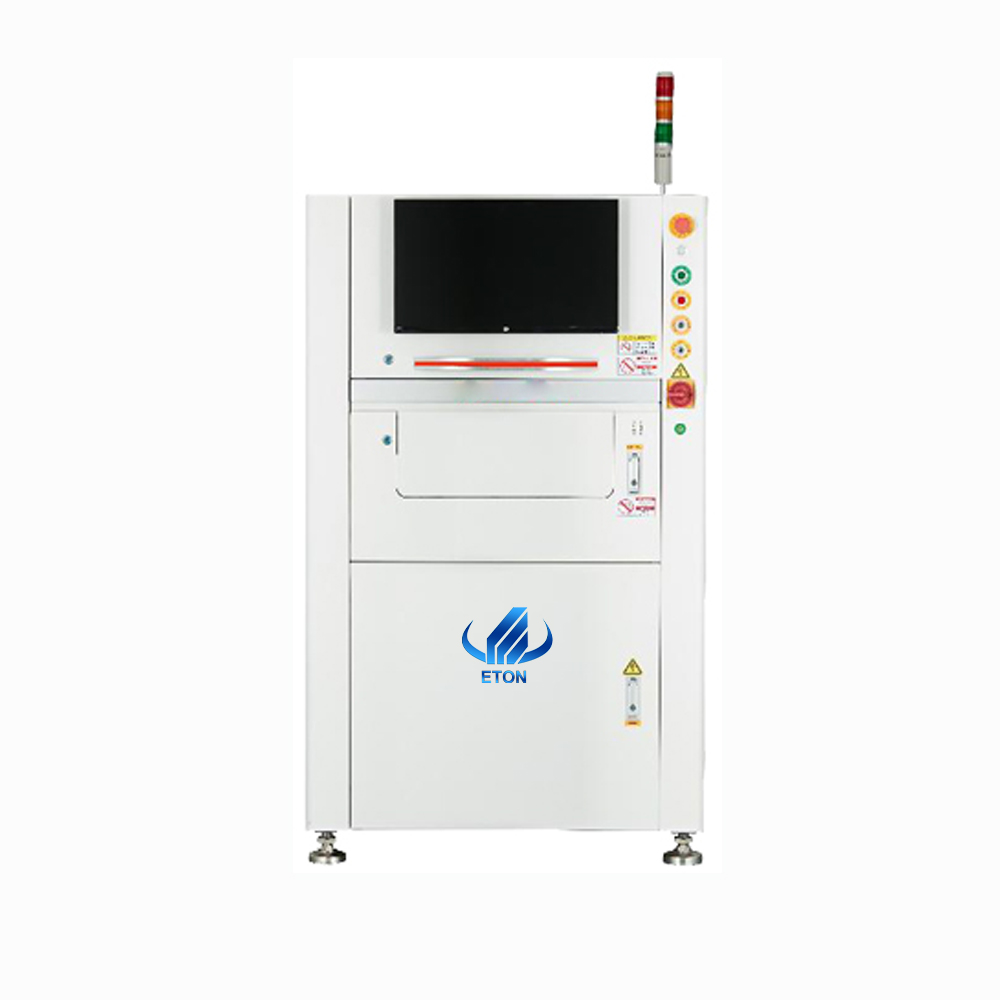
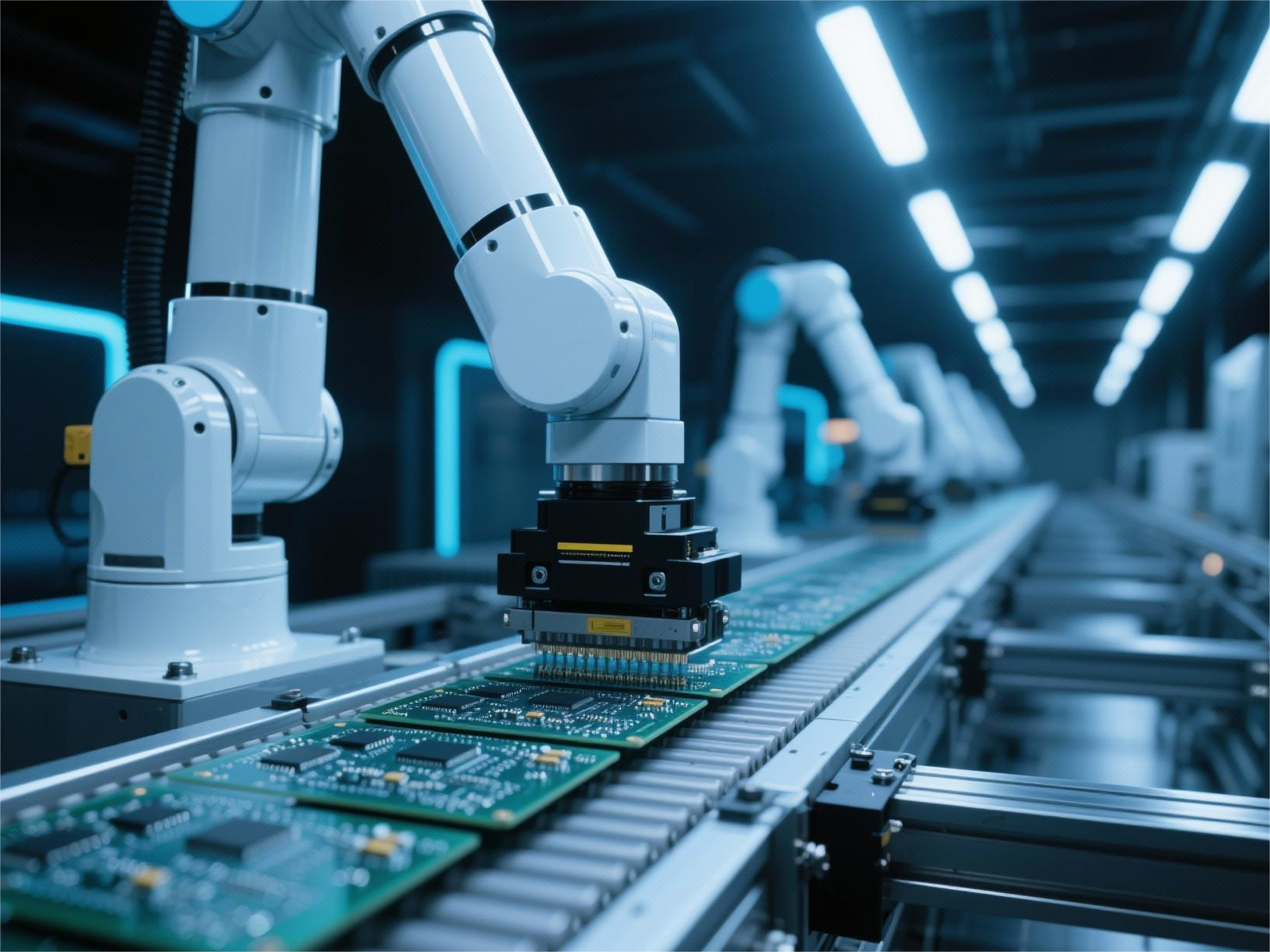
Step 2: Solder Paste Printing The first actual manufacturing step involves applying solder paste to the PCB. This is done using a stencil (called a "screen" or "stencil") that has openings corresponding to where components will be placed. A squeegee blade moves across the stencil, forcing solder paste onto the PCB pads. This step requires precise control—the thickness of typical stencils ranges from 0.12-0.15mm, with openings designed to be slightly (about 4μm) smaller than PCB pads to prevent solder bridging. Proper solder paste handling is critical—it must be brought to room temperature for about 4 hours before use and thoroughly mixed to avoid issues like solder balls. Step 3: Solder Paste Inspection (SPI) After printing, specialized 3D SPI (Solder Paste Inspection) systems scan the PCB to measure the volume, height, and alignment of the deposited solder paste. This critical quality check can identify issues such as insufficient solder, bridging, or misalignment before components are placed. Statistics show that approximately 70% of soldering defects can be traced back to problems with solder paste printing, making this inspection step vital for minimizing rework and improving overall yield. Step 4: Component Placement with Pick and Place Machines This is where the magic happens—pick and place machines automatically retrieve components from feeders and place them onto the solder paste-coated PCB with remarkable speed and precision. Modern equipment can place hundreds of components per minute with accuracies reaching±0.01mm. These machines use vacuum nozzles to pick up components, vision systems to verify identity and orientation, and sophisticated motion control systems to ensure accurate placement 6. High-end models can handle components ranging from tiny 0201 packages (0.6mm×0.3mm) to large BGAs up to 40mm×40mm.
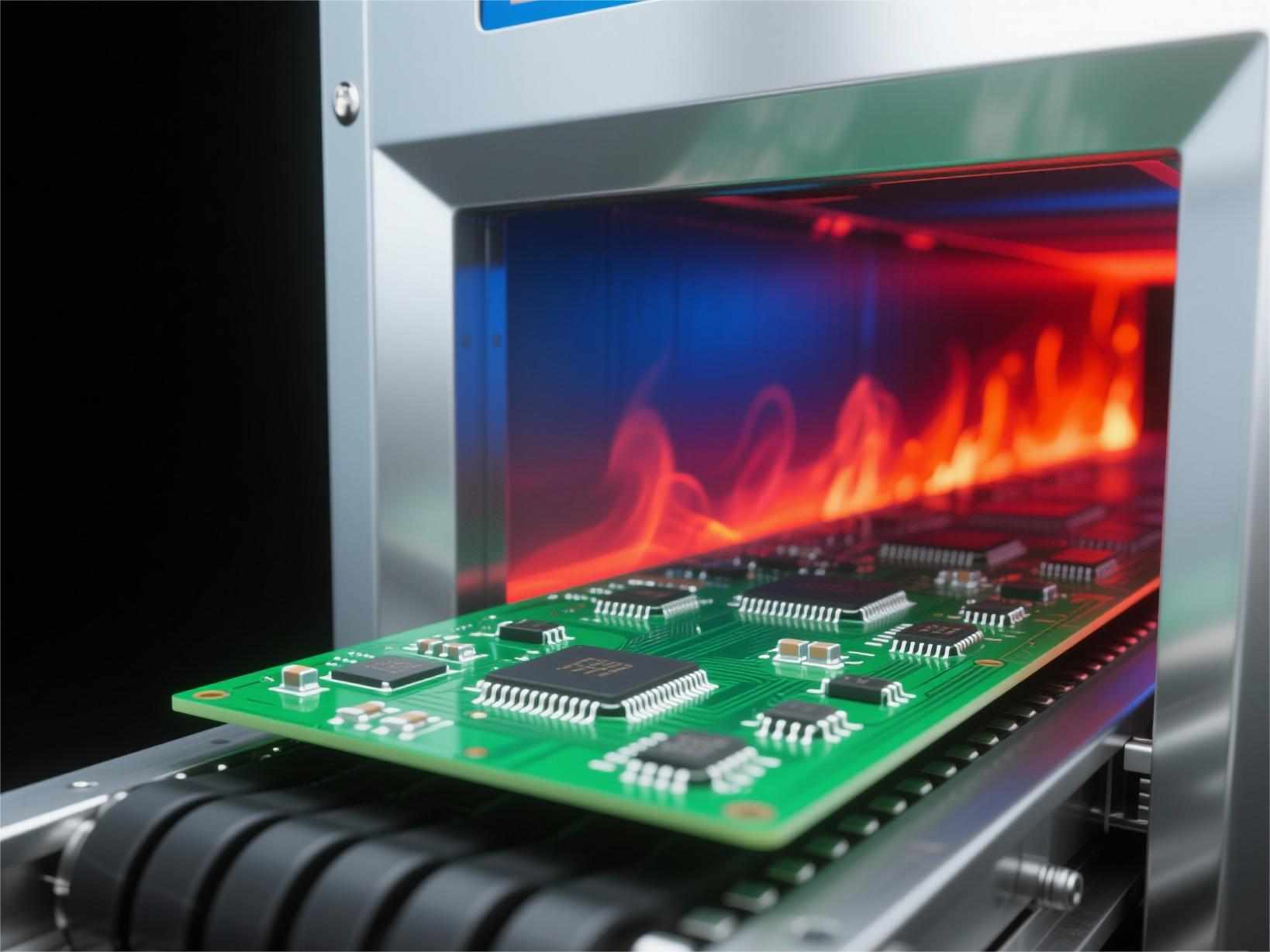
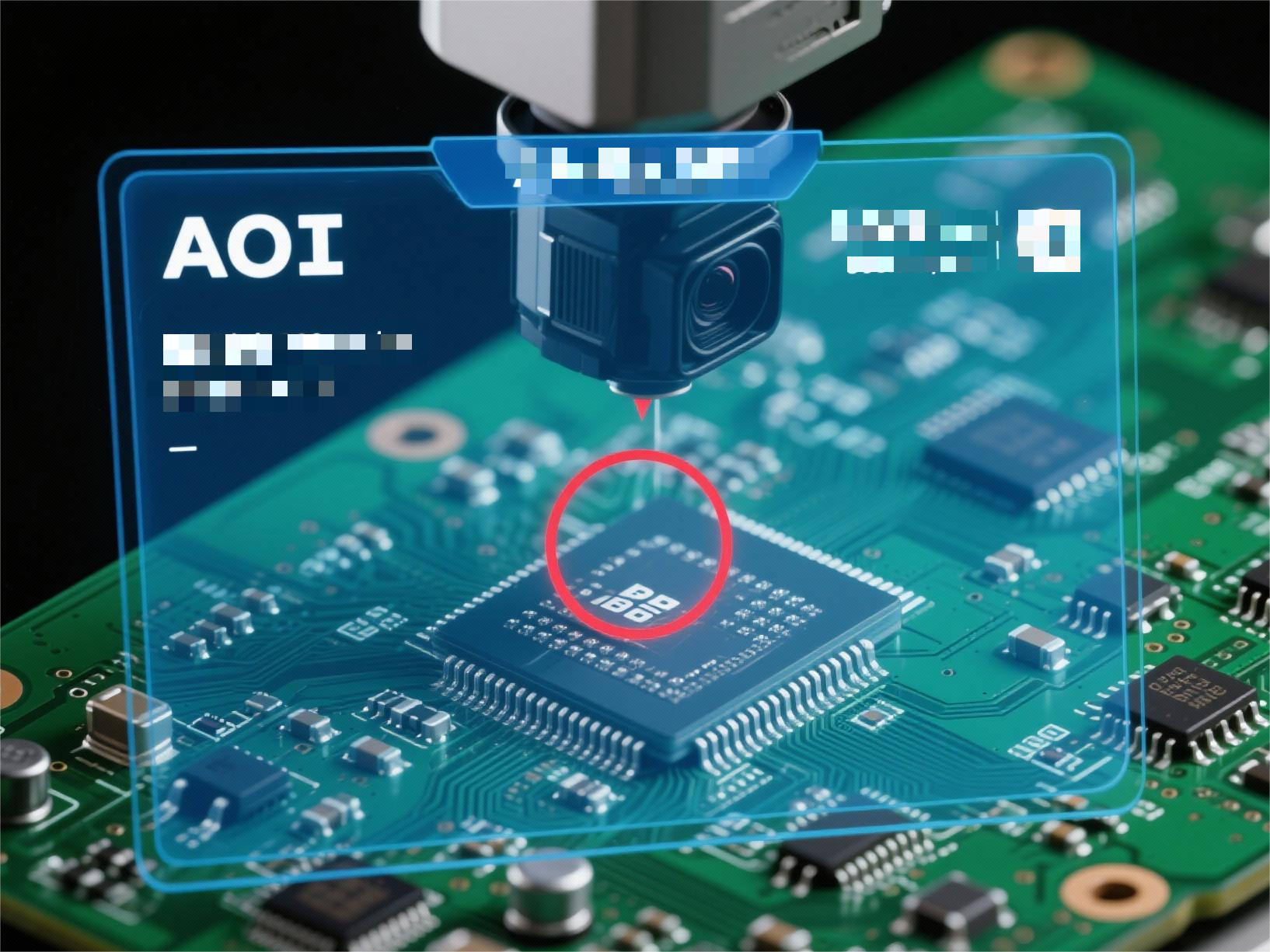
Step 5: Pre-Reflow Inspection After component placement, an Automated Optical Inspection (AOI) system typically checks the board to verify that all components are present, correctly oriented, and properly aligned. Machine learning algorithms can identify even minute placement errors, such as offsets of chips with 0.2mm pitch. Step 6: Reflow Soldering The assembly then passes through a reflow oven, where carefully controlled temperature zones melt the solder paste without damaging the components. The process involves four distinct phases: 1.Preheating: Temperature gradually rises at 1-2°C per second to about 150°C to evaporate solvents 2.Soaking: Components are held at 150-183°C for 60-90 seconds to activate flux and reduce thermal gradients 3.Reflow: Temperature peaks at 215±10°C for 45-60 seconds, melting the solder to form reliable electrical connections 4.Cooling: The board is cooled at a controlled rate of 2-4°C per second to solidify the solder joints Advanced systems may use nitrogen atmospheres to reduce oxidation and improve joint quality. Step 7: Post-Solder Inspection and Testing After soldering, boards undergo final inspection. AOI systems check for visible defects, while X-ray inspection is used for examining hidden connections such as those under BGA packages. X-ray technology can reveal issues like voids, bridges, or insufficient solder that aren't visible to standard optical systems. Finally, functional testing verifies that the assembled PCB performs as intended. This might include In-Circuit Testing (ICT) to check individual components and Functional Circuit Testing (FCT) to validate the board's operation as a whole. Applications of SMT Across Industries The advantages of SMT have made it the preferred manufacturing technology across virtually every electronics sector: Consumer Electronics Smartphones, tablets, and wearables rely on SMT to achieve their compact form factors. A typical smartphone motherboard contains thousands of components, approximately 90% of which are placed using SMT. Medical Devices Portable medical equipment and implantable devices use SMT for miniaturization and reliability. Special considerations include biocompatible materials and sterile manufacturing processes for implants. Automotive Electronics Modern vehicles contain hundreds of electronic control units (ECUs) for functions like engine management, infotainment, and advanced driver assistance systems (ADAS). These demand the reliability and density that SMT provides. Industrial and Military Equipment Industrial control systems and military electronics benefit from SMT's ability to create robust, vibration-resistant assemblies that can operate in harsh environments. Advancements and Future Trends in SMT SMT technology continues to evolve to meet the demands of increasingly sophisticated electronics: Miniaturization Component sizes continue to shrink, with 0201 and 01005 packages (0.4mm×0.2mm and 0.25mm×0.125mm, respectively) now common in advanced applications. This drives requirements for ever-higher placement precision. Automation and Intelligence Smart factories increasingly use AI-powered vision systems and data analytics to optimize placement processes, predict maintenance needs, and minimize defects. Modern equipment can automatically adjust placement parameters based on real-time feedback from inspection systems. Flexible Manufacturing As product lifecycles shorten and customization demands increase, SMT lines are becoming more flexible. Quick-change feeders, modular equipment designs, and rapid programming capabilities allow efficient production of smaller batches. Green Manufacturing The industry continues to transition to lead-free solders and environmentally friendly processes to meet regulatory requirements and sustainability goals.
Choosing an SMT Manufacturing Partner For businesses looking to leverage SMT for their products, selecting the right manufacturing partner is crucial. Key considerations include:
Conclusion: The Future is Surface Mount Surface Mount Technology has fundamentally transformed electronics manufacturing, enabling the compact, powerful, and affordable devices we now take for granted. As the technology continues to evolve—with advances in placement precision, process control, and automation—SMT will remain at the heart of electronic innovation. From the pick and place machines that populate boards with components smaller than a grain of sand to the sophisticated inspection systems that ensure reliability, SMT represents the perfect marriage of precision engineering and automated manufacturing. As we look toward future technologies like IoT, 5G, and AI, SMT will continue to provide the foundation upon which these innovations are built. Summary: Surface Mount Technology (SMT) has revolutionized electronics manufacturing by enabling automated placement of miniature components directly onto PCB surfaces. This process allows for smaller, more reliable, and higher-performing electronic devices across industries from consumer electronics to medical and automotive applications. |