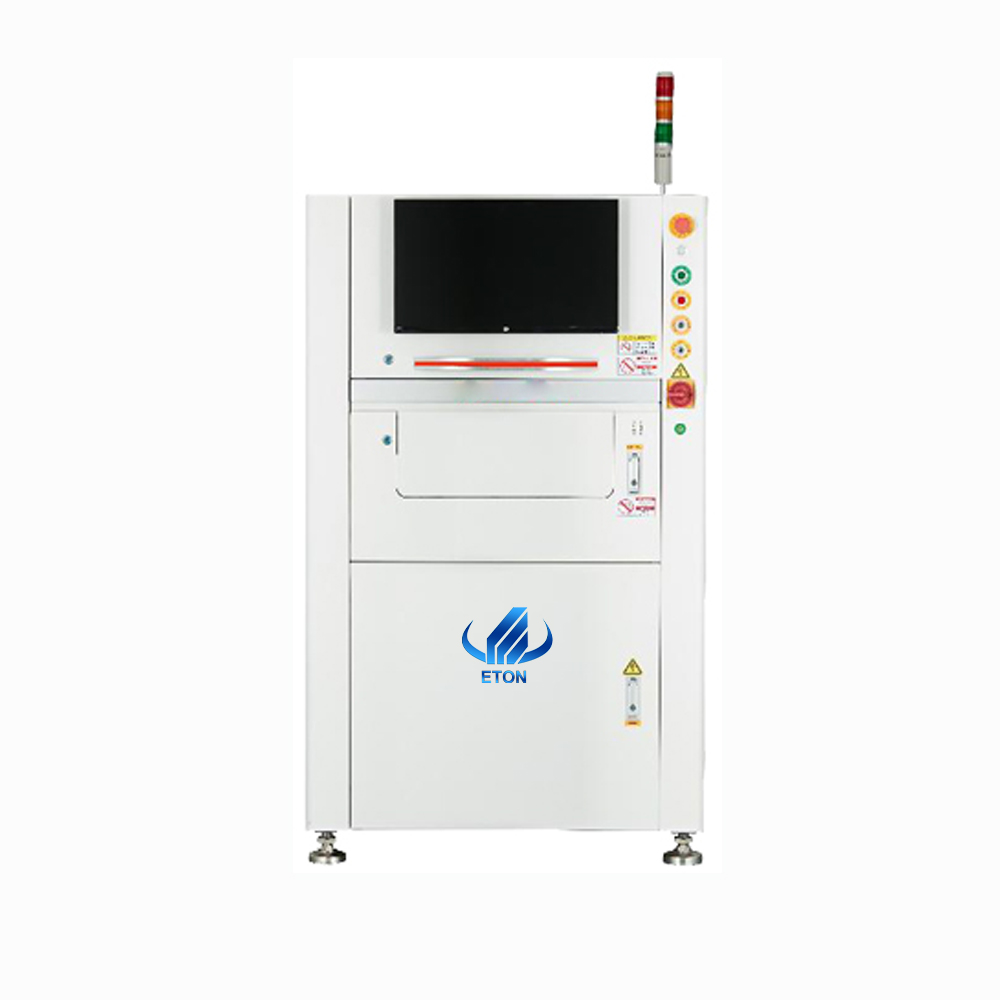
|
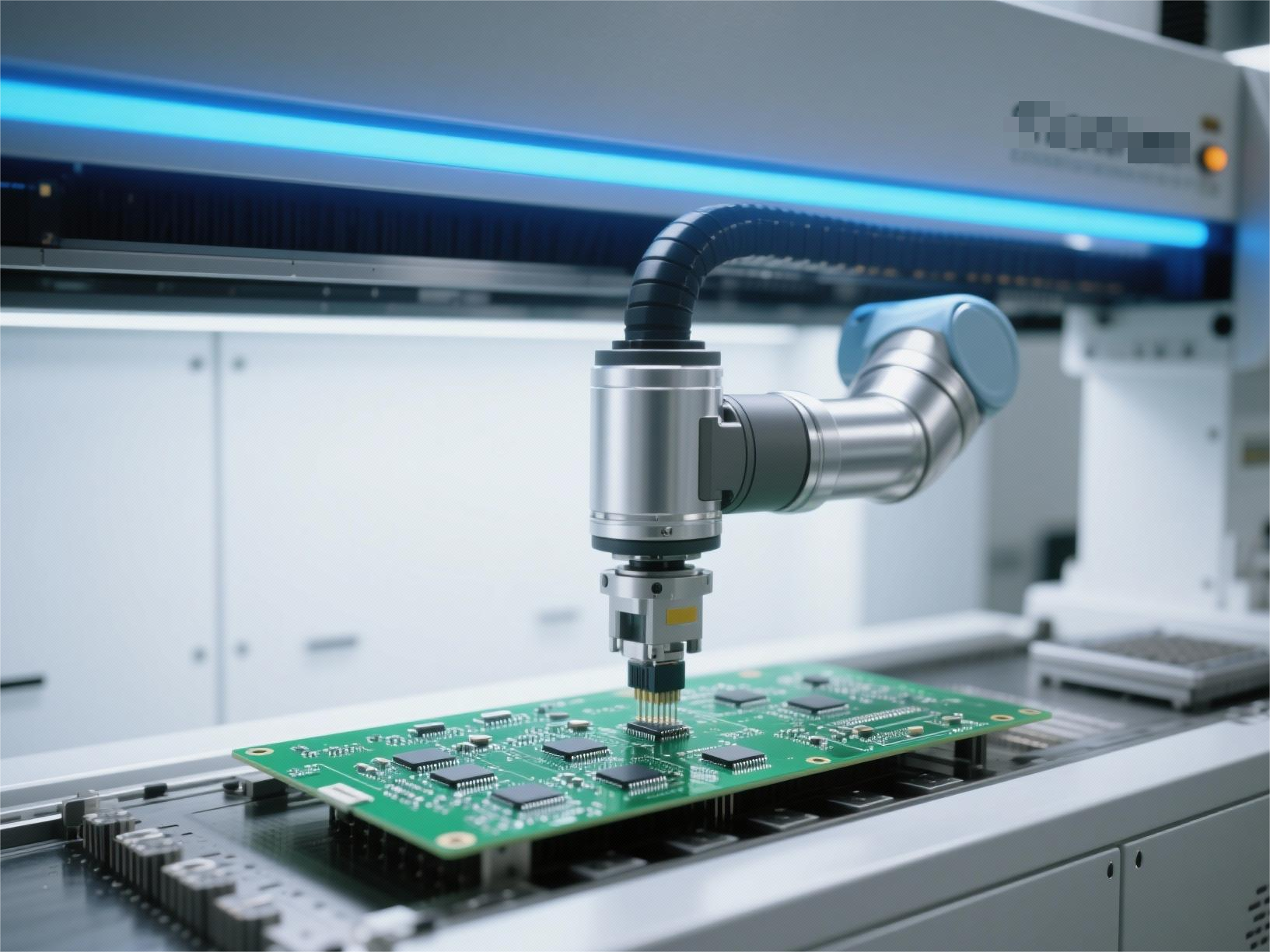
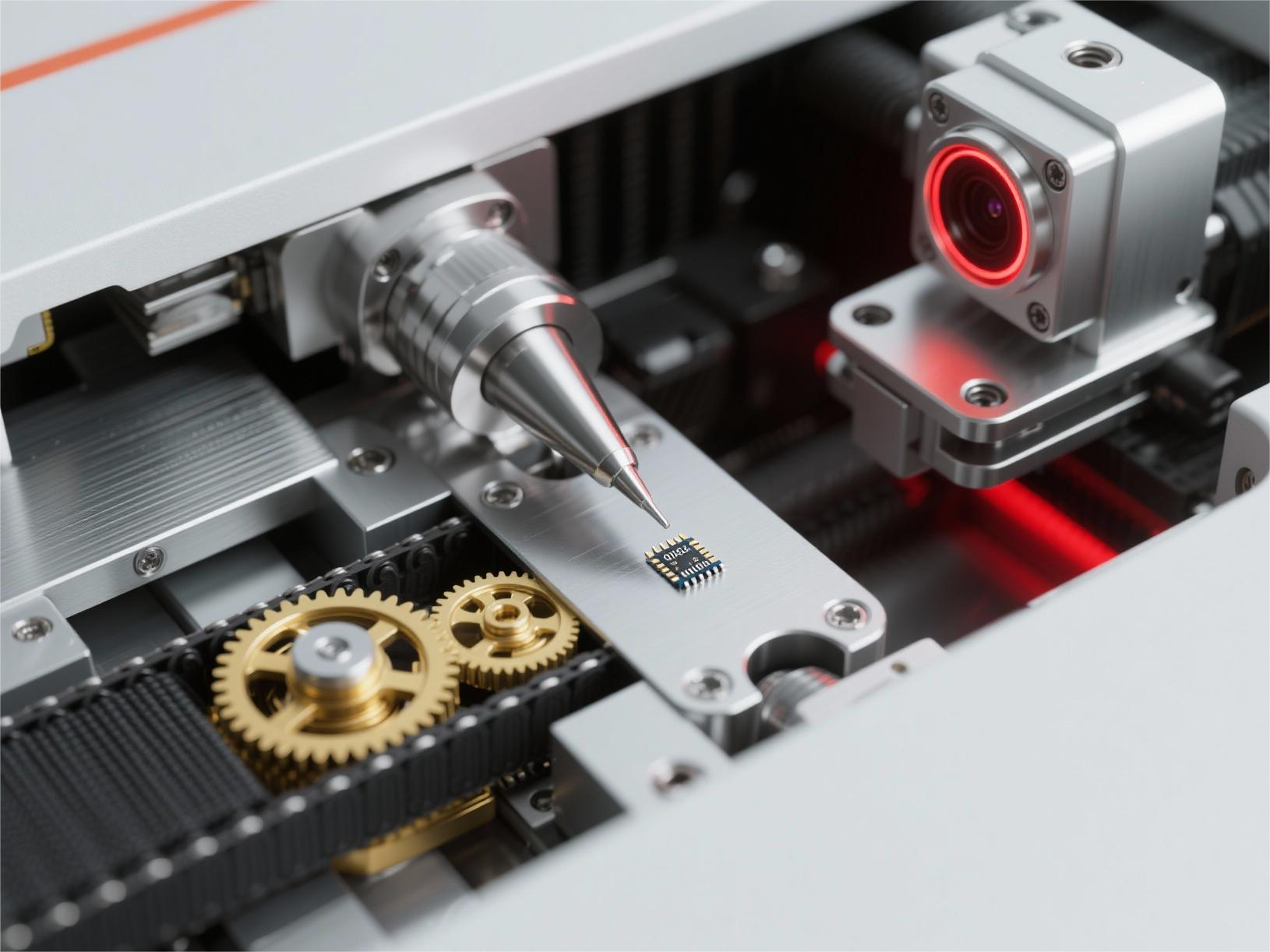
The electronics manufacturing landscape has been revolutionized by Surface Mount Technology (SMT), which has become the backbone of modern electronic device production. As we embrace an increasingly digital world, the SMT machine industry is experiencing unprecedented growth and innovation, driven by the insatiable demand for smaller, faster, and more powerful electronic devices. 1.Understanding the Basics: SMD and SMT SMD components (Surface Mount Devices) are the fundamental building blocks in contemporary electronics manufacturing. Unlike their through-hole counterparts, these devices are designed to be mounted directly onto the surface of printed circuit boards (PCBs) without requiring leads to pass through holes. This revolutionary approach enables higher circuit densities, improved performance, and automated production processes. What are surface mount components? They represent a category of electronic elements that include resistors, capacitors, transistors, diodes, and integrated circuits—all specifically engineered for surface mounting. These components vary significantly in size and packaging, from tiny passive chips to complex integrated circuits with hundreds of pins. The evolution of these devices has followed a consistent trend toward miniaturization, with the latest components being virtually invisible to the naked eye. The terms SMD and SMT are often used interchangeably but refer to different aspects of the same technology. While SMD describes the components themselves, SMT (Surface Mount Technology) encompasses the entire process and methodology for assembling electronic circuits using these surface-mounted devices. This technology originated in the 1960s with initial research by IBM and reached maturity in the late 1980s, ultimately transforming electronics manufacturing forever. 2.The Heart of Electronic Manufacturing: SMT Placement Machines At the core of any mount line sits the SMT placement machine, also known as a "pick-and-place" machine or surface mounting system. These sophisticated robotic systems are responsible for accurately placing surface mount components onto PCB pads with incredible precision and speed. Modern SMT placement machines are technological marvels that combine mechanical engineering, optical recognition, and computer control systems. They typically operate by picking up components from feeders or reels, using vision systems to identify and orient them correctly, and then placing them with micron-level accuracy onto boards that may be moving through the production line. There are several architectural approaches to SMT placement machines:
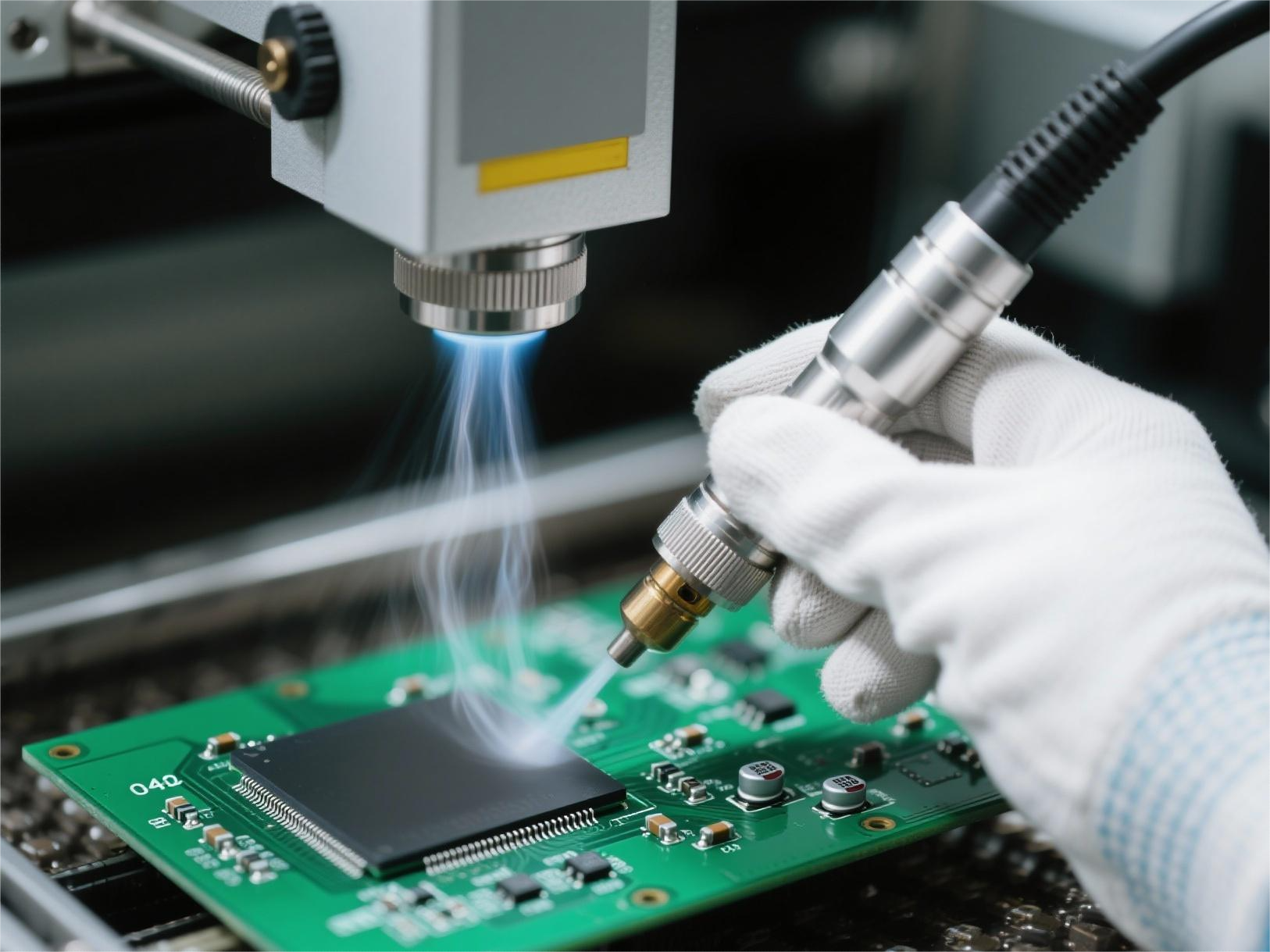
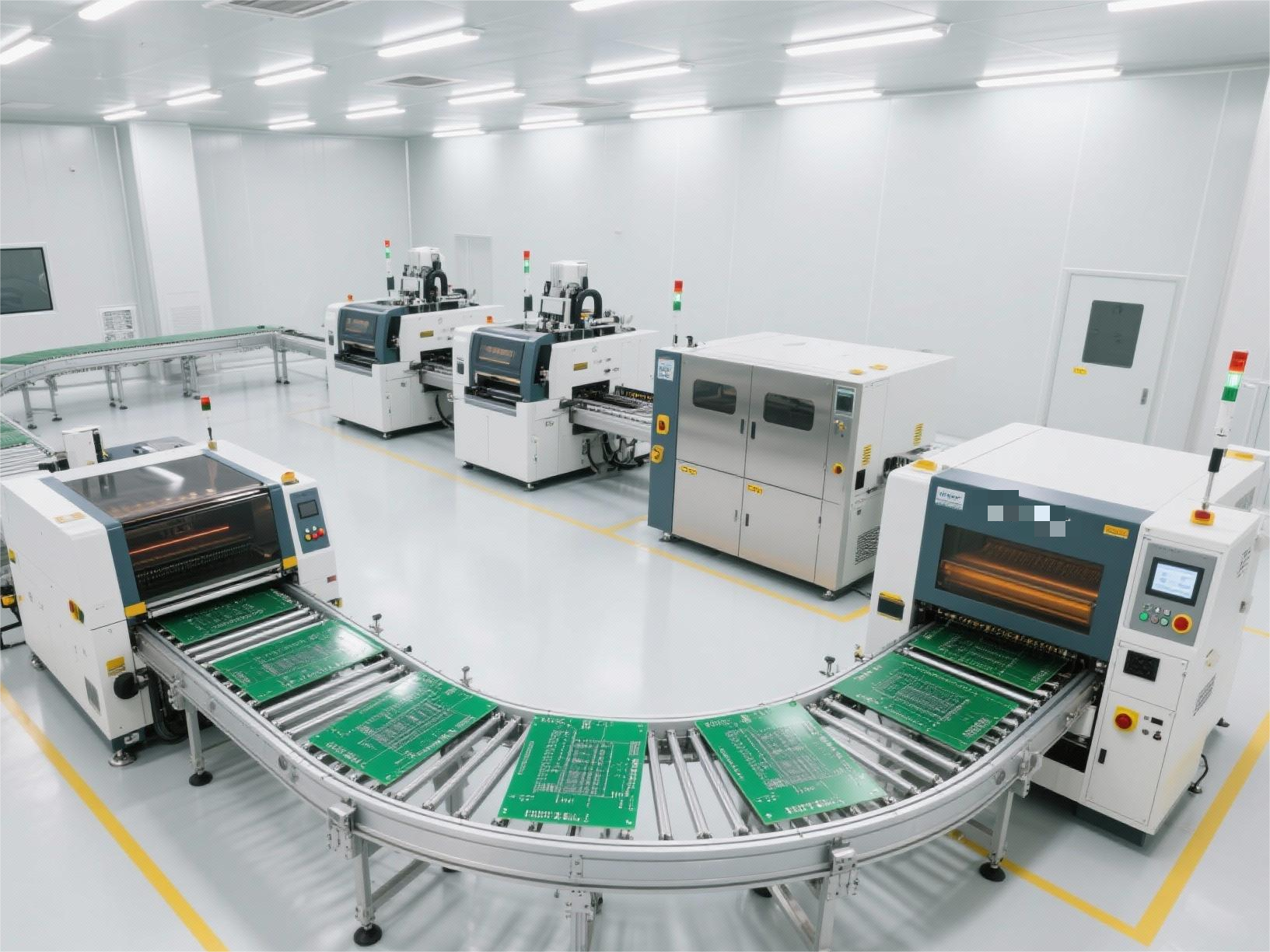
The manufacturing process typically follows these steps: 1.Solder paste printing using stencils 2.Component placement via SMT machines 3.Reflow soldering in precision ovens 4.Cleaning and inspection
3.Market Outlook and Growth Projections The SMT industry is experiencing robust growth, particularly in China where smart manufacturing and domestic substitution policies are creating dual dividends for the sector. According to recent market research:
*Table: China SMT Production and Demand Forecast (2020-2025) The Chinese SMT market size has grown significantly from 17.717 billion RMB in 2017 to 32.81 billion RMB in 2023, with estimates reaching approximately 36.642 billion RMB in 2024. This growth is largely driven by booming demand from consumer electronics, automotive electronics, and the ongoing rollout of 5G infrastructure. 4.Industry Trends and Technological Advancements ① Miniaturization and Precision The relentless drive toward smaller electronic devices continues to push the boundaries of placement precision. Modern SMT machines are now capable of handling components as small as 01005 (0.4mm × 0.2mm) and even 008004 packages, with placement accuracy reaching ±0.001mm or better. This incredible precision enables the production of compact devices like true wireless earbuds, miniaturized medical implants, and ultra-slim smartphones. ② Speed and Efficiency Improvements Manufacturers are constantly seeking higher throughput without compromising accuracy. High-speed turret-style can place over 25,000 components per hour (CPH), while gantry-style machines offer a balance between speed and flexibility, typically ranging between 10,000-25,000 CPH. The latest ultra-high-speed machines can achieve placement rates exceeding 100,000 CPH under optimal conditions. ③ Flexibility and Adaptability Modern SMT lines must handle increasingly diverse product mixes with rapid changeover capabilities. Advanced now feature quick-change feeder systems, recipe storage for hundreds of products, and self-adjusting placement parameters that automatically adapt to different component types and board layouts. ④ Intelligent Manufacturing Integration The industry is moving toward fully integrated smart factories where SMT lines communicate seamlessly with enterprise resource planning (ERP) and manufacturing execution systems (MES). These connected systems enable real-time monitoring, predictive maintenance, and data-driven optimization of the entire production process. ⑤ Green Manufacturing Environmental considerations are becoming increasingly important, with manufacturers developing energy-efficient machines, reducing consumable waste, and eliminating hazardous materials from the production process. This shift aligns with global sustainability initiatives and regulatory requirements. 5.Key Applications Driving Demand Several industries are particularly driving innovation and demand in the SMT sector: Consumer Electronics: Smartphones, wearables, and IoT devices continue to push the boundaries of miniaturization and functionality. The need for higher component densities and mixed-technology boards (including traditional SMDs, BGAs, and chip-scale packages) demands increasingly sophisticated placement equipment. Automotive Electronics: The automotive industry's transformation toward electrification and advanced driver assistance systems (ADAS) has created unprecedented demand for reliable PCB assemblies. Automotive applications require exceptional quality standards and reliability under harsh operating conditions. Medical Devices: Medical electronics impose stringent requirements on placement accuracy and process reliability. From implantable devices to diagnostic equipment, medical applications often involve specialized components and strict regulatory compliance. 5G and Communications Infrastructure: The global rollout of 5G networks requires substantial investments in communications infrastructure, including base stations, network equipment, and devices. These applications frequently involve high-frequency materials and specialized components that present unique placement challenges.
6.The Competitive Landscape The SMT market features significant competition between international giants and emerging domestic manufacturers: International Leaders: Companies like Panasonic (Japan), Fuji (Japan), Juki (Japan), and Siemens (Germany) dominate the high-end segment with technologically advanced machines offering superior speed, precision, and reliability. These manufacturers continue to invest heavily in research and development to maintain their competitive edge. Chinese Domestic Manufacturers: Companies including Beijing Zhongke Tongzhi Technology, Jiangsu Tenshi Mechanical & Electrical Co., Ltd., and Guangzhou Huangpai Automatic Equipment Co., Ltd. have made significant strides in recent years, gradually closing the technological gap with international players. These manufacturers often compete effectively on price while offering machines tailored to local market needs. 7.Challenges and Barriers Despite the optimistic outlook, the industry faces several significant challenges: Technical Barriers: Developing high-precision requires expertise in multiple disciplines, including precision mechanics, motion control, machine vision, and software algorithm development. Mastering these technologies presents a substantial barrier for new market entrants. Capital Requirements: Establishing manufacturing capabilities for SMT machines demands significant investment in production equipment, R&D facilities, and technical personnel. This financial barrier limits market participation to well-funded entities. Talent Shortages: The specialized nature of development creates demand for highly skilled engineers and technicians who combine theoretical knowledge with practical experience. Finding and retaining such talent remains challenging globally. 8.Future Outlook and Development Trends The SMT industry continues to evolve rapidly, with several clear trends shaping its future: Increased Intelligence: AI and machine learning technologies are being integrated into贴片机 for self-optimization, predictive maintenance, and quality assurance. These systems can automatically adjust placement parameters based on component characteristics and historical performance data. Enhanced Flexibility: Future SMT lines will need to handle increasingly diverse product mixes with smaller batch sizes. This requires equipment that can change over rapidly between products without sacrificing efficiency or quality. Integration with Advanced Packaging: As semiconductor packaging technologies advance, SMT equipment must adapt to handle new package types including fan-out wafer-level packaging (FOWLP), system-in-package (SiP), and other heterogeneous integration approaches. Sustainability Focus: Environmental considerations will drive development of energy-efficient machines, reduced material consumption, and improved recyclability. Manufacturers will increasingly prioritize green manufacturing practices throughout the product lifecycle. Human-Machine Collaboration: While full automation will continue to dominate high-volume applications, we will see increased development of collaborative systems that combine the efficiency of automation with human flexibility for low-volume, high-mix scenarios.
9.Investment Opportunities and Strategic Recommendations For investors and industry participants, several areas present particularly promising opportunities: Domestic Substitution: Chinese manufacturers are benefiting from policy support and domestic substitution trends. Companies that can successfully develop competitive medium-to-high-end have significant growth potential. Specialized Applications: Rather than competing directly in the standardized high-speed segment, some manufacturers are finding success by developing specialized machines for particular applications such as automotive, medical, or RF components. Aftermarket Services: As the installed base of SMT equipment grows, opportunities expand for service contracts, spare parts, consumables, and technical support. These businesses often offer higher margins and more stable revenue than equipment sales. Technology Integration: Companies that successfully integrate emerging technologies like AI, advanced machine vision, and digital twins into traditional SMT platforms will likely gain competitive advantages in the marketplace.
10.Conclusion: Embracing the Future of Electronics Manufacturing The SMT industry stands at the forefront of electronics manufacturing, enabling the continued progression of miniaturization, performance, and functionality that defines modern technology. As we look toward 2025 and beyond, this sector will continue to be shaped by competing forces: the drive for higher speed and precision versus the need for greater flexibility; the pursuit of full automation alongside the value of human ingenuity; and the push for technological advancement balanced with environmental responsibility. For manufacturers, the path forward requires continuous innovation, strategic focus, and responsiveness to evolving market needs. For investors, the industry offers opportunities driven by technological advancement and growing demand across multiple end markets. And for consumers, these developments promise ever more capable, affordable, and sophisticated electronic products that continue to transform how we live, work, and connect with one another. The humble surface mount component, once a revolutionary innovation, has become the foundation of our digital world—and the machines that place them with astonishing precision continue to evolve, ensuring that the electronics revolution has plenty of room left to run. |
Innovations in SMT Placement Machines: Driving the Miniaturization Revolution in Electronics
2 sept. 2025 eton