|
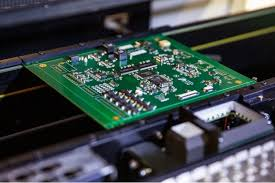
After solder paste printing and component placement, there is one final step that turns loose components into a finished circuit board — the reflow soldering process. This process happens inside the reflow oven, where solder paste melts and forms electrical and mechanical connections.
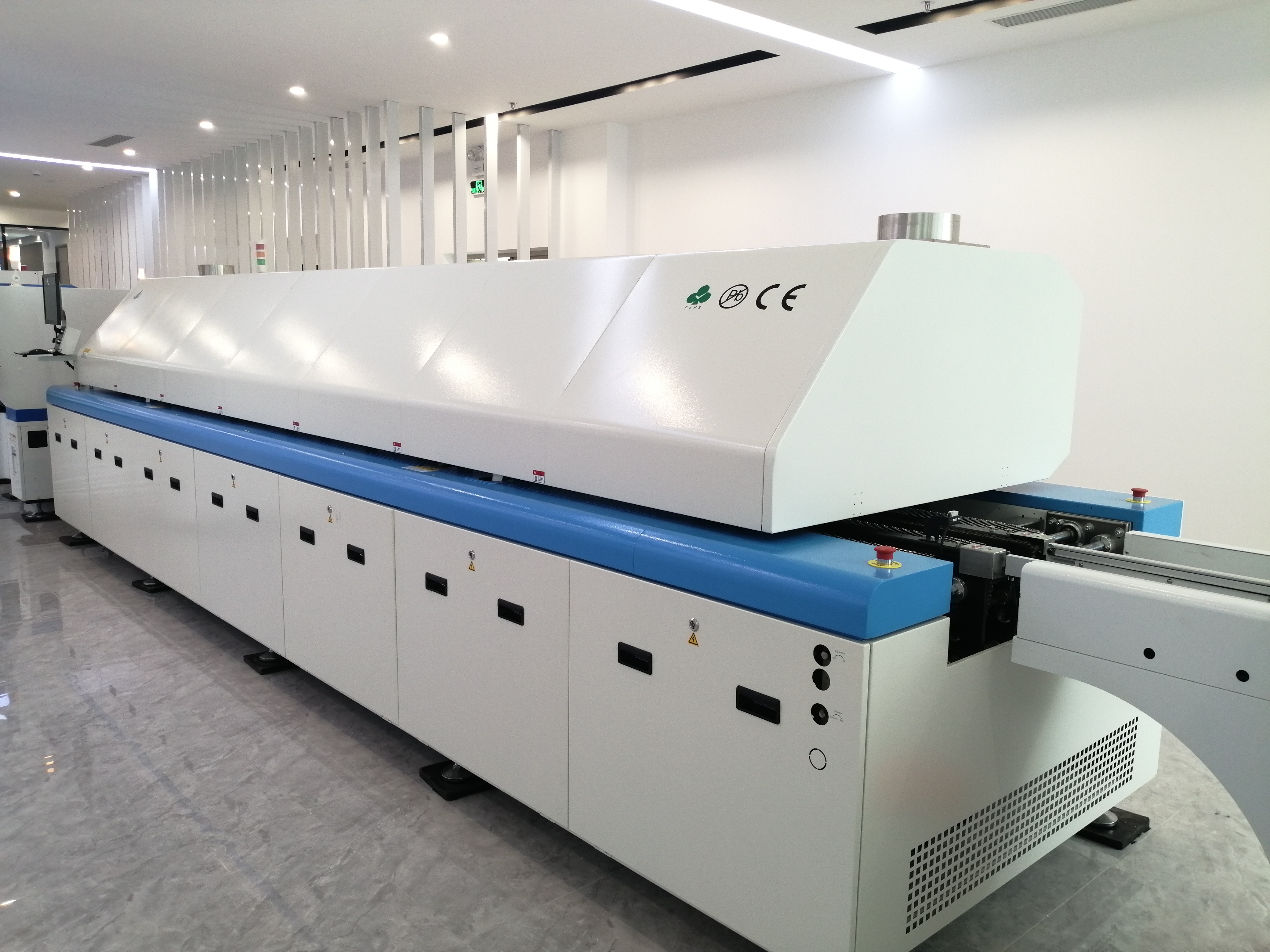
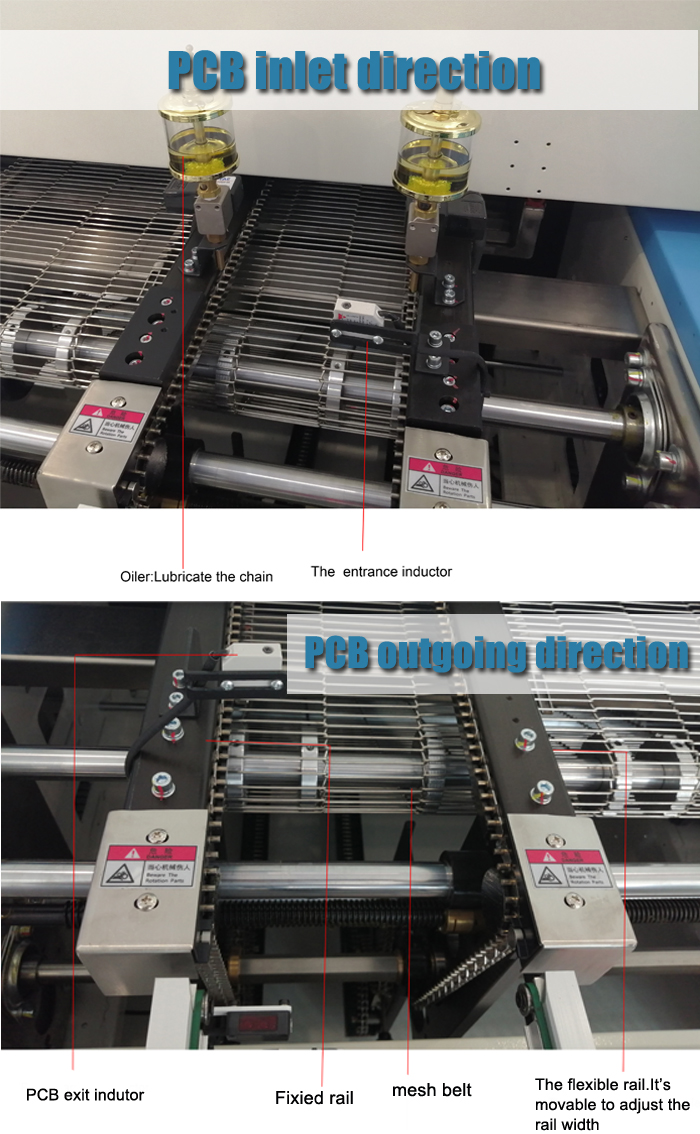
What Is a Reflow Oven?A reflow oven is used to heat the PCB assembly so that the solder paste melts, wets the component leads and PCB pads, and then solidifies to form reliable solder joints. This process is called reflow soldering, and it is one of the most critical steps in SMT production. Reflow Temperature ProfileReflow soldering is not just about heating the board. It follows a carefully controlled temperature curve, usually divided into four zones: 1. Preheat ZoneThe PCB is gradually heated to activate the flux and prevent thermal shock. 2. Soak ZoneThe temperature is stabilized and flux continues to remove oxidation. 3. Reflow ZoneThe temperature rises above the melting point of solder paste, and the solder melts and forms joints. 4. Cooling ZoneThe solder cools and solidifies, forming strong and reliable connections. A proper temperature profile is essential for good solder joint quality. Problems Caused by Incorrect Reflow ProfileIf the temperature profile is not correct, several defects may occur:
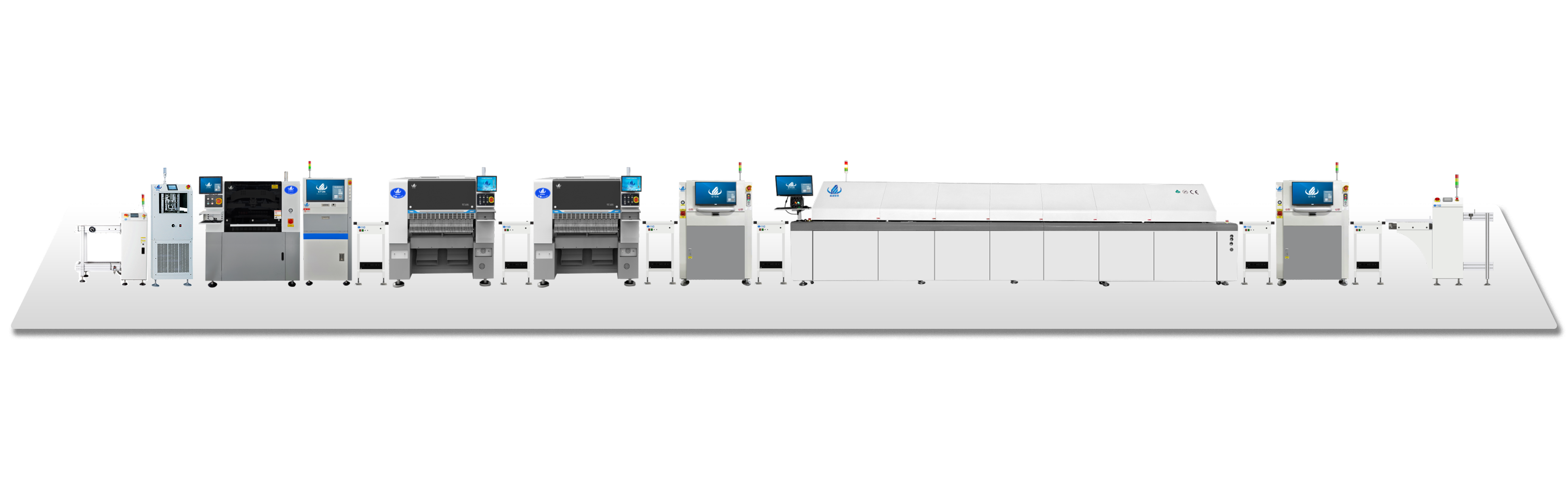
This is why temperature profiling is very important in SMT production. SMT Line Balance Is ImportantIn a complete SMT production line, every machine must work together smoothly, from solder paste printing to placement and reflow soldering. A well-balanced production line with compatible equipment can greatly improve efficiency and product quality. This is why many factories today prefer working with suppliers who can provide complete SMT line solutions, technical support, and long-term service, rather than purchasing individual machines separately.
Final ThoughtsThe reflow oven is where the electronic assembly process truly becomes a finished product. It transforms solder paste into solid electrical connections and determines the final solder joint quality. In SMT manufacturing, printing determines solder volume, placement determines component position, and reflow determines solder joint quality. All processes must work together to achieve stable and high-quality production. In modern electronics manufacturing, equipment performance is important, but stable production, technical support, and service response are even more important. Building a reliable SMT production line is the key to long-term manufacturing success.
|
Reflow Oven: Where Solder Becomes Connection
3 апр. 2026 г. HIETON