|
1.Continuous Market Growth In recent years, the global PCB manufacturing market has shown steady growth. With the widespread adoption of 5G technology, the rapid development of the Internet of Things, and the rise of artificial intelligence, demand for various electronic devices has continued to rise, driving strong demand for PCBs. According to data from market research institutions, the global PCB market has continued to expand at a steady rate over the past few years. For example, the high search volume (5,400) for the term "pcb manufacturing" reflects the popularity and attention this sector attracts. Numerous electronics manufacturers have increased their investment in PCB manufacturing and expanded production to meet market demand.
In PCB manufacturing technology, the pace of innovation never ceases. To meet the demands for miniaturization and higher performance in electronic products, high-density interconnect (HDI) and flexible printed circuit (FPC) technologies continue to develop and improve. HDI technology enables higher circuit density and smaller apertures, allowing PCBs to integrate more electronic components, thereby improving the performance and functionality of electronic products. Flexible circuit boards, due to their bendable and foldable properties, are widely used in products such as wearable devices and smartphones, bringing greater flexibility to electronic product design.
As electronic devices demand increasingly higher performance and functionality, PCBs are also evolving towards higher performance and multifunctionality. Modern PCBs must not only offer excellent electrical performance but also be able to integrate a wider range of functional modules, such as power management, signal processing, and wireless communications. For example, applications related to "pcb board" (search volume 6,600) in high-end servers and medical equipment place extremely high demands on PCB performance and functionality. They must be able to stably transmit high-speed signals, withstand high power consumption, and maintain excellent heat dissipation.
Amidst growing global environmental awareness, green and environmentally friendly PCB development has become a key industry trend. Traditional PCB manufacturing processes use environmentally harmful chemicals such as lead and mercury. To reduce environmental impact, more and more companies are adopting lead-free processes and environmentally friendly materials. This not only complies with environmental regulations but also meets consumer demand for green products. 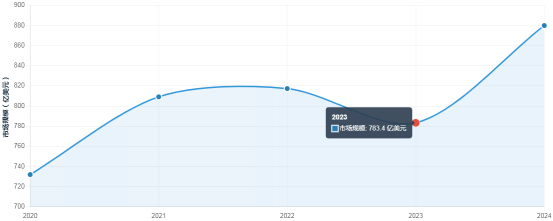
III. Challenges and Strategies of PCB Assembly
With the increasing density of electronic components on PCBs and the shrinking size of components, the complexity of PCB assembly processes has also increased significantly. Tiny solder joints and fine pin pitches place higher demands on assembly processes. During the "pcb assembly" (search volume 1900), ensuring soldering quality and avoiding short circuits and cold solder joints have become major challenges for companies. To address these challenges, companies are continuously introducing advanced assembly equipment and technologies, such as high-precision placement machines and laser welding technology, while also strengthening operator training to enhance assembly processes.
PCB assembly involves numerous electronic component suppliers, making supply chain management increasingly challenging. A supply disruption at any stage can cause assembly lines to stall, impacting product delivery cycles. Therefore, companies need to establish a more comprehensive supply chain management system, build long-term and stable partnerships with suppliers, and strengthen supply chain monitoring and risk warnings to ensure the timely supply of electronic components.
The widespread adoption of 5G technology and the rapid development of the Internet of Things have created enormous opportunities for the PCB industry. The high speed and low latency of 5G networks require a large number of base station and terminal equipment, all of which rely on high-performance PCBs. The Internet of Things connects countless devices, driving explosive growth in demand for PCBs. Whether it's smart homes, smart transportation, or the Industrial Internet of Things, a large number of PCBs are needed to enable communication and data transmission between devices.
With the rapid development of new energy vehicles, the application of PCBs in this sector is becoming increasingly widespread. Battery management systems, motor control systems, and autonomous driving systems in new energy vehicles all require high-performance PCBs to fulfill their functions. Compared to traditional vehicles, new energy vehicles place higher demands on PCBs, requiring not only excellent electrical performance and reliability but also the ability to withstand harsh operating environments. This provides a vast market opportunity for PCB companies and encourages them to continuously improve their technology and product quality.
Over the past few decades, a well-known PCB company has consistently prioritized technological innovation as a core driver of its growth. The company has continuously increased its investment in R&D, recruited high-end talent, and collaborated with research institutions on technological research. It has achieved a series of breakthroughs in high-density printed circuit (HDI) and flexible printed circuit (FPC) technology, and its products are widely used in smartphones, tablets, high-end servers, and other fields. Through continuous technological innovation, the company has earned a strong reputation in the market and captured a high market share.
In addition to technological innovation, the company also places great emphasis on quality management. It has established a rigorous quality management system, ensuring strict quality control at every stage, from raw material procurement and manufacturing to product delivery. Certifications for multiple international quality management systems, including ISO 9001 and ISO 14001, ensure product quality meets international standards. This high-quality product has enabled the company to establish long-term, stable partnerships with numerous internationally renowned brands, further enhancing its competitiveness. VI.The Importance of Industry Standards and Specifications With the continuous development of the PCB industry, the role of industry standards and specifications has become increasingly prominent. Unified standards ensure the quality and compatibility of PCB products and promote cooperation and communication among different companies. For example, during the PCB manufacturing process, strict standards are set for parameters such as trace width, spacing, and aperture size. This not only helps improve production efficiency and reduce production costs, but also reduces quality issues and disputes caused by inconsistent standards. In the PCB assembly process, soldering process standards are equally crucial. Different soldering methods and parameters can affect the quality and reliability of solder joints, while unified soldering standards ensure the stability and service life of electronic products. Furthermore, the development of environmental standards has driven the PCB industry towards green manufacturing, encouraging companies to adopt more environmentally friendly materials and processes.
VII. Talent Cultivation and Industry Development The development of the PCB industry cannot be separated from the support of professional talent. From PCB design, manufacturing, to assembly, every step requires professionals with professional knowledge and skills. However, the industry currently faces a talent shortage, especially for high-end professionals with advanced technical skills. To address this issue, universities and vocational schools should strengthen their collaboration with businesses, offer relevant majors and courses, and cultivate professionals who meet industry needs. Businesses should also strengthen employee training, provide more learning and practical opportunities, and encourage employees to continuously improve their skills. At the same time, industry associations can organize various technical exchange events and competitions to attract more talent to the PCB industry. VIII. Digital Transformation Facilitates PCB Industry Upgrades In today's digital age, the PCB industry is also facing the critical challenge of digital transformation. The application of digital technology can significantly improve the production efficiency, management level, and innovation capabilities of PCB companies. In the production process, the introduction of intelligent manufacturing technologies can achieve automation and intelligentization of the production process. For example, the Industrial Internet platform can be used to monitor the operating status of production equipment, production progress, and product quality in real time. Through data analysis and prediction, potential production problems can be identified in advance, allowing timely adjustments and optimization, thereby reducing production failures and scrap. For PCB manufacturing, digital production processes can ensure that every PCB board meets high quality standards, increase production flexibility, and quickly respond to diverse market demands. In terms of enterprise management, digital transformation enables visual management of the supply chain. By establishing a digital information-sharing platform with suppliers, companies can gain real-time visibility into raw material inventory, supply cycles, and quality information. This helps companies optimize inventory management, reduce procurement costs, and improve the stability and reliability of the supply chain. Furthermore, digital management can enhance decision-making efficiency and, through data analysis, provide strong support for strategic planning and business expansion. 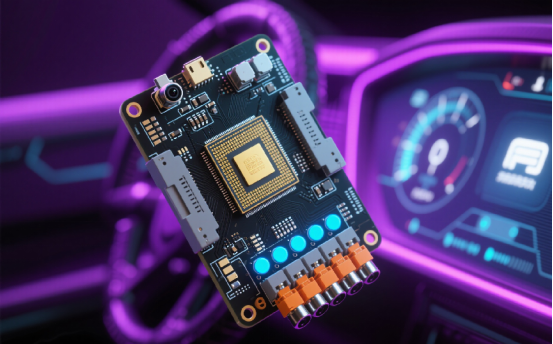
With the continuous advancement of technology, the trend of integration between different industries is becoming increasingly evident. The PCB industry is no exception, and integration with other industries has brought new application scenarios and development opportunities. Integration with the medical industry has led to the widespread application of PCB technology in medical devices. For example, in portable medical monitoring devices and high-end diagnostic imaging equipment, high-performance PCBs enable precise data collection and transmission, providing strong support for medical diagnosis and treatment. Integration with the aerospace industry has placed even higher demands on PCB performance. Aerospace equipment must operate stably in extreme environments, requiring PCBs to possess high-temperature resistance, radiation resistance, and high reliability. This is driving PCB companies to continuously develop new technologies and materials to enhance product performance and quality. Through cross-industry integration, the PCB industry can continuously expand its application boundaries, create greater market value, and further drive the development and growth of the entire industry. In the future, with the continued advancement of technology, the deep integration of the PCB industry with more industries is highly anticipated, and will undoubtedly bring new growth points and vitality to the industry.
Amidst globalization, the PCB industry faces fierce international competition. Well-known foreign companies hold advantages in technology, branding, and market share. Domestic companies seeking a foothold in the international market need to adopt a series of strategies.
They must strengthen technological innovation, improve product quality and performance, and build brands with independent intellectual property rights. They must continuously develop new technologies and products to meet the demands of the international market.
They must strengthen international cooperation and exchanges, learn from advanced management experience and technologies from abroad, and expand international market channels. At the same time, they must monitor changes in international trade policies and regulations and proactively address trade frictions and challenges. In short, the future development of the PCB sector in the electronics manufacturing industry is filled with both opportunities and challenges. By strengthening technological innovation, improving quality management, refining industry standards, cultivating professional talent, and actively responding to international competition, we have reason to believe that the PCB industry will usher in an even brighter future and make greater contributions to the development of the global electronics manufacturing industry. 
In the future, technological development in the PCB industry will continue to move towards higher performance, smaller size, and greater environmental friendliness. With the continuous development of emerging technologies such as artificial intelligence and quantum computing, the performance requirements for PCBs will continue to rise. At the same time, to meet the miniaturization needs of electronic products, PCB size will continue to shrink, and circuit density will further increase. In terms of environmental protection, green manufacturing technologies will be more widely applied, driving the entire industry towards sustainable development.
With the continuous development of the market, the competitive landscape in the PCB industry will also change. On the one hand, leading companies in the industry will further expand their market share and increase industry concentration through technological innovation, mergers and acquisitions, and restructuring. On the other hand, emerging companies will also emerge in the market by leveraging their technological advantages and innovative capabilities in specific areas. Market competition will become more intense, and companies need to continuously improve their core competitiveness in order to remain invincible in the market. 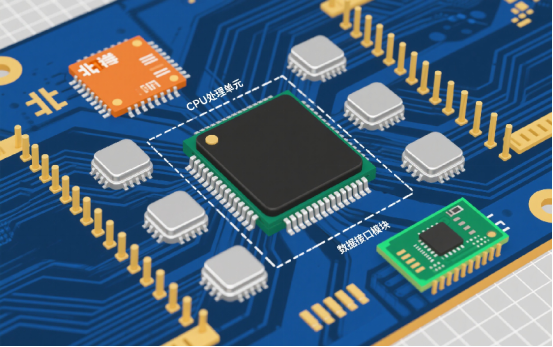
|