|
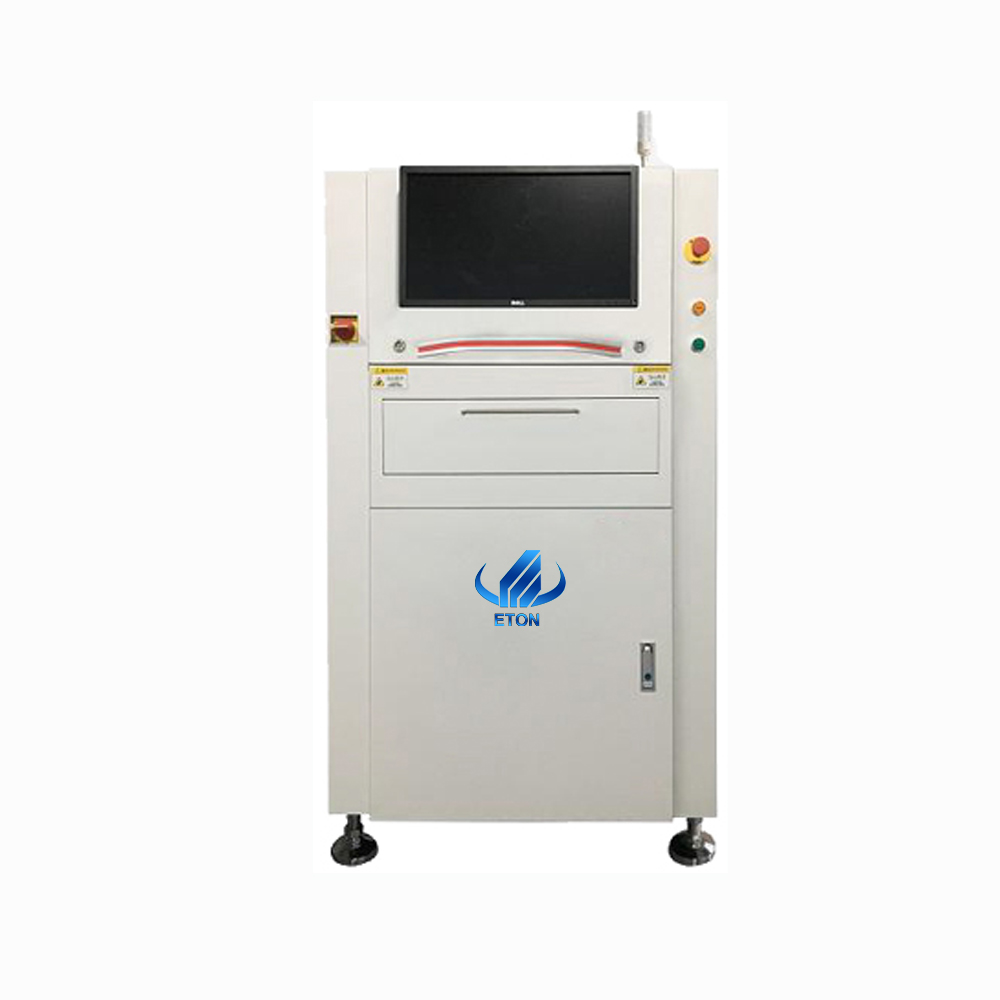
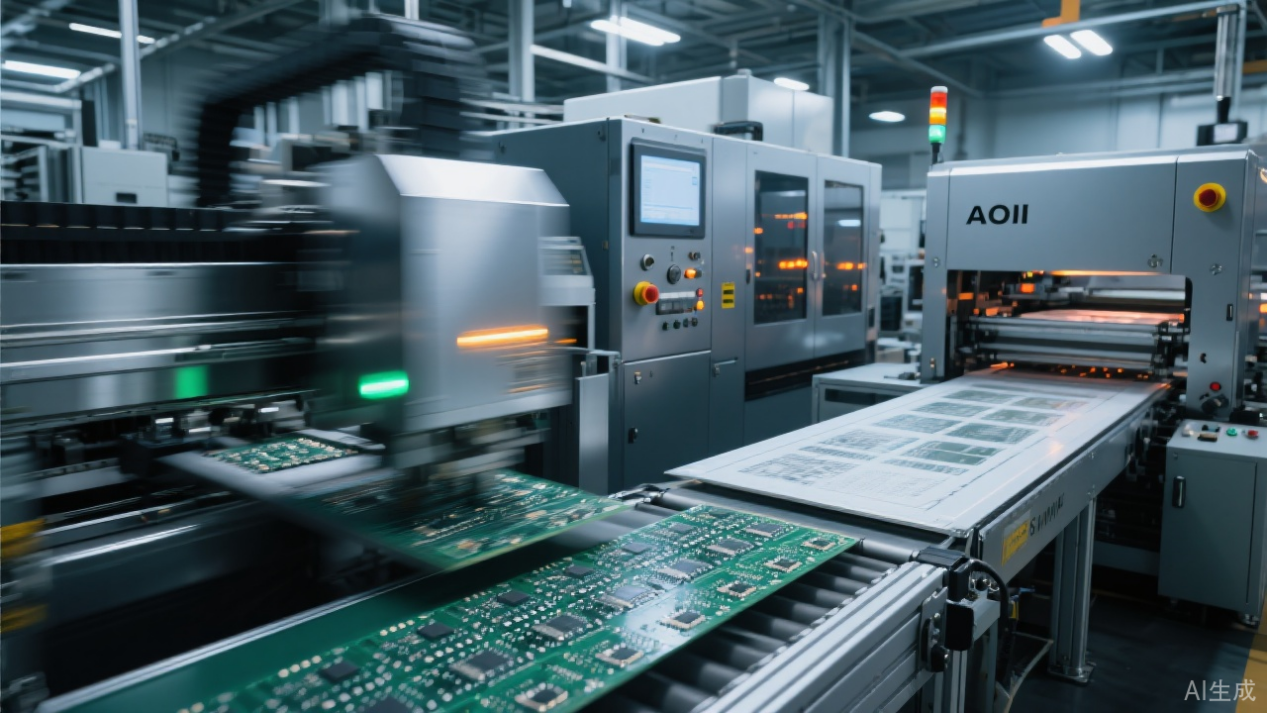
1.Core Equipment Clusters of SMT Production Lines: The Engine of Precision Manufacturing The birth of modern electronic products begins with the efficient operation of the SMT production line—a seamless chain of precision equipment. The foundation of this automated production line includes key equipment such as a loader, solder paste printer, high-speed placement machine, multi-function placement machine, reflow oven, unloader, and AOI optical inspection system.3 Each of these devices plays an irreplaceable role, and together they form the precision engine of electronic product manufacturing. As the starting point of the process, the accuracy of the solder paste printer directly impacts the quality of all subsequent steps. Modern high-end printers ensure uniform solder paste deposition through the coordinated collaboration of stencil positioning systems and squeegee pressure control modules. For example, when processing 01005 micro-components (measuring only 1mm x 0.5mm), the print thickness must be precisely controlled within a range of 0.12-0.15mm, with an error of no more than ±5μm. To achieve this goal, the equipment utilizes a vision positioning system and a high-resolution CCD camera to capture fiducials on the PCB. Combined with servo motors, the equipment achieves three-dimensional coordinate alignment, maintaining parallelism between the stencil and the PCB within ±25μm. 2.High-Precision Inspection Equipment Cluster: Guardians of Quality
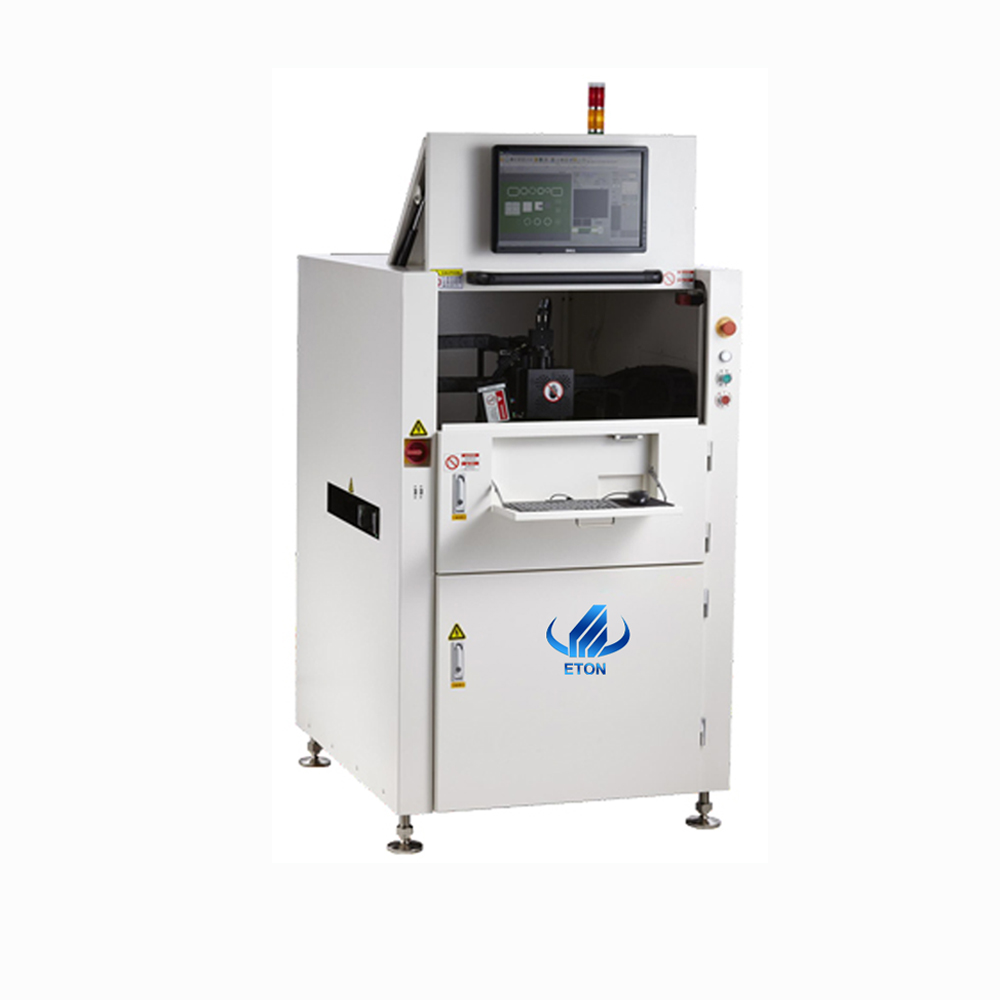
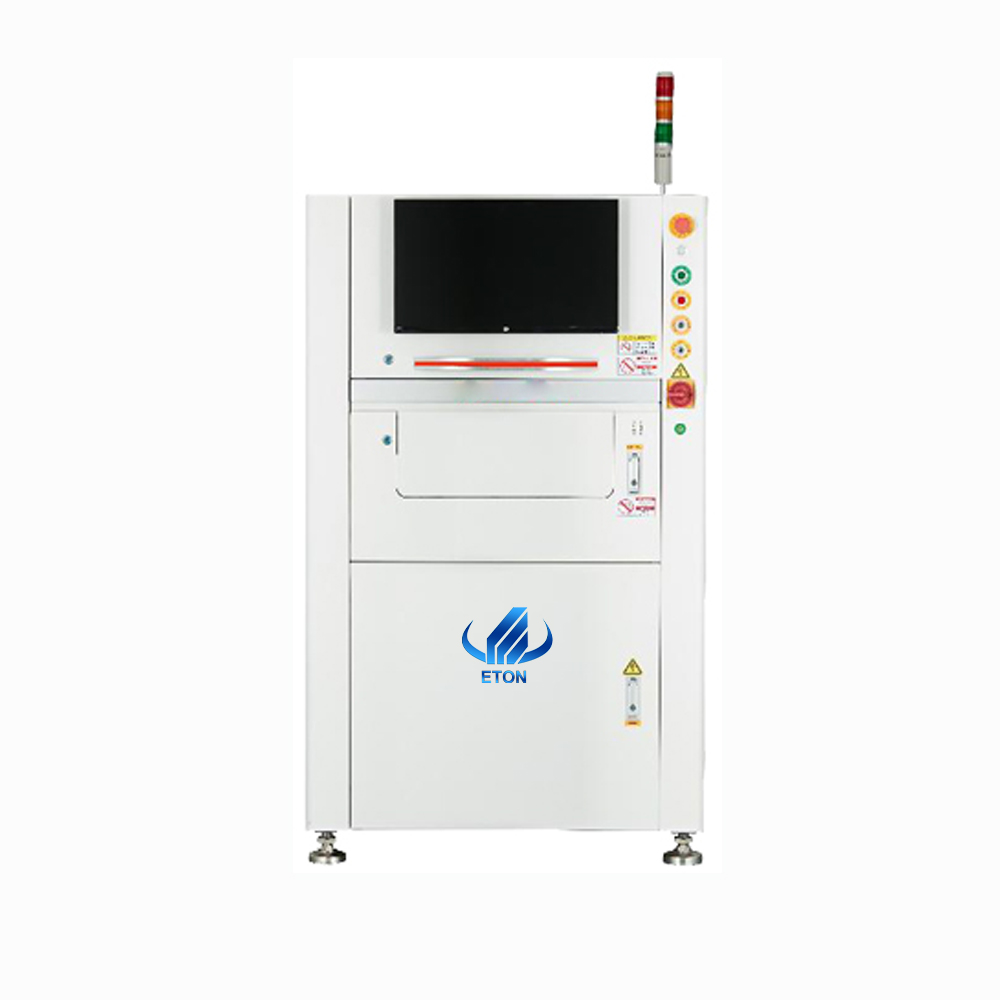
The SPI system uses 3D imaging technology to comprehensively inspect solder paste volume, height, and distribution, identifying potential issues such as printing offset and bridging before soldering. Modern SPI equipment utilizes laser or raster projection technology to achieve micron-level measurement (with an accuracy of ±10μm) and provides real-time feedback to the printer for parameter self-correction. Statistics show that deploying SPI can reduce soldering defect rates by over 60%, laying a solid foundation for quality in subsequent processes.
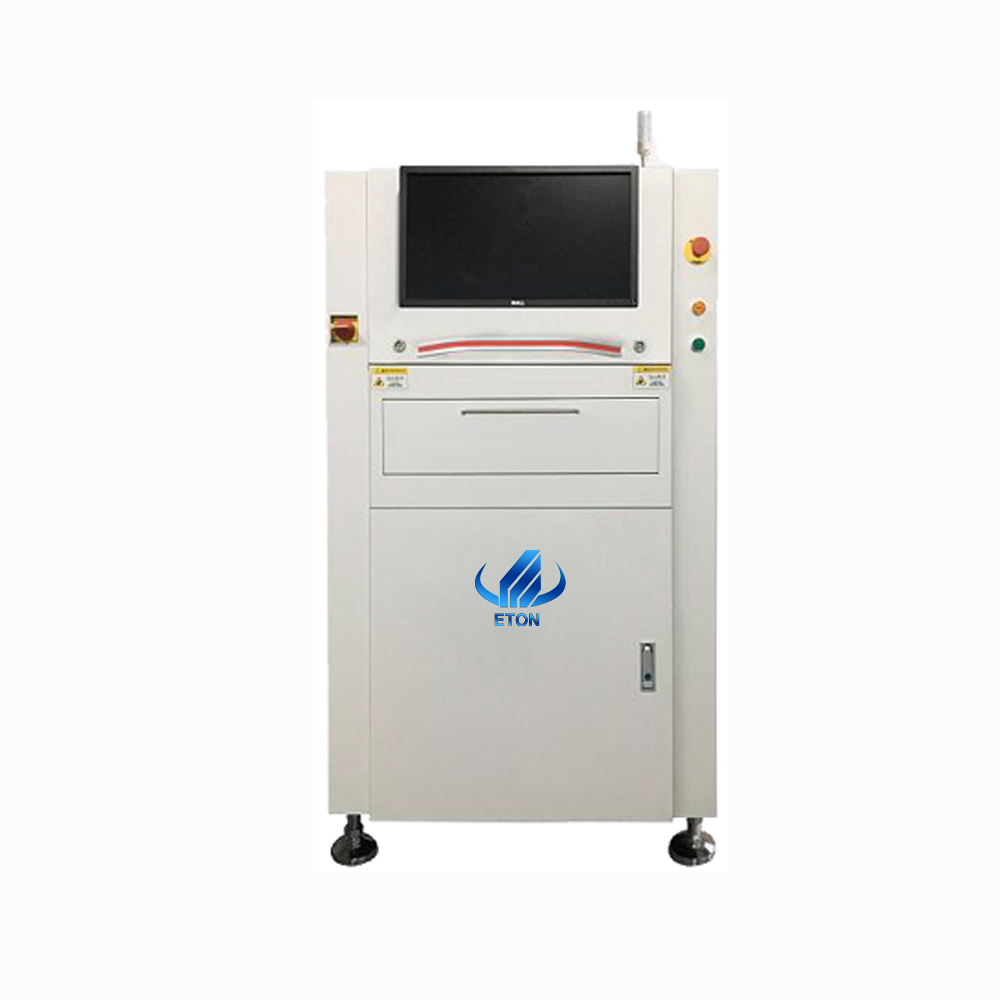
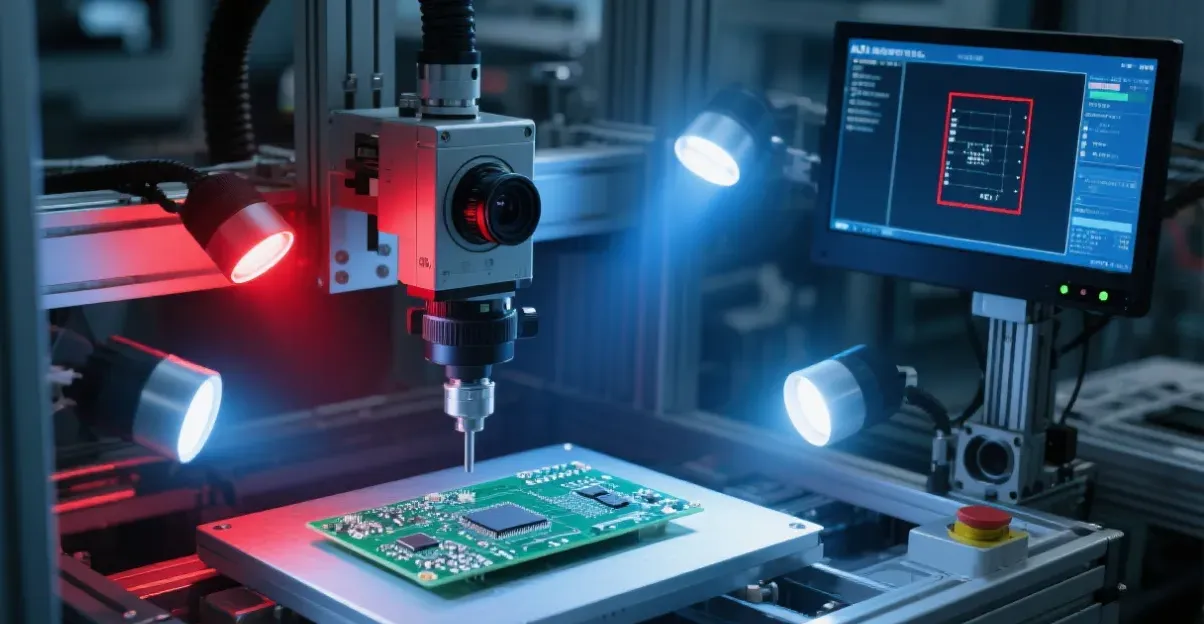
AOI systems form multiple inspection nodes within the SMT production line: checking component position and polarity after placement and assessing solder joint quality after reflow. Utilizing multi-angle, high-resolution industrial cameras and multispectral lighting technology, AOI can accurately detect over 12 defect types, including reversed component polarity, raised pins, and solder paste bridging. Advanced equipment integrates a deep learning module, continuously optimizing its algorithm through accumulated defect samples, boosting recognition rates to over 99.5% and reducing false positive rates to below 0.1%. For example, when processing 0.4mm pitch QFN chips, the AOI can detect offsets as small as 0.2mm and generate defect reports in real time.
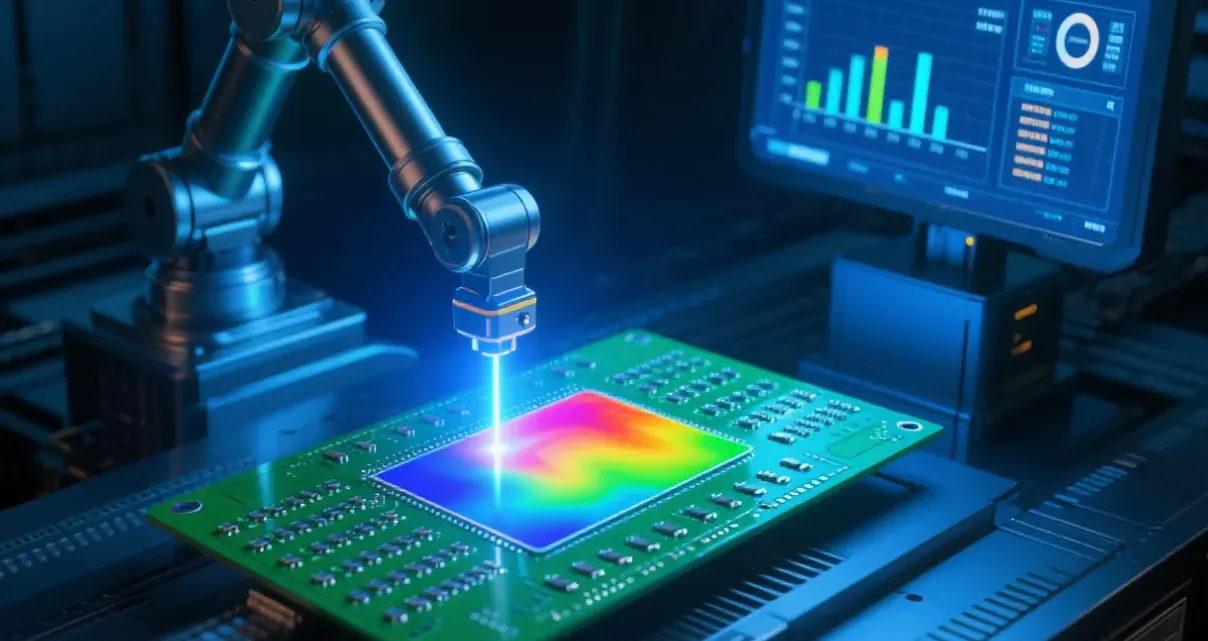
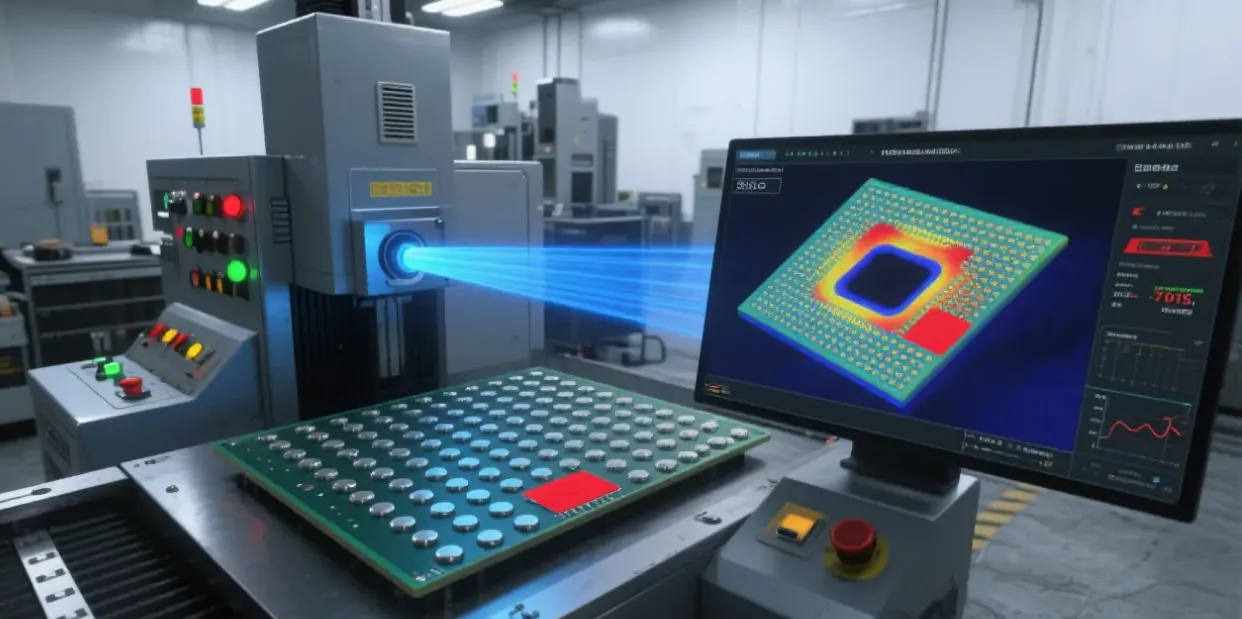
For components with bottom solder balls, such as BGAs and CSPs, X-ray equipment, with its penetrating imaging capabilities, has become an irreplaceable quality tool. This system uses high-frequency X-rays to penetrate multi-layer PCB structures and, combined with a high-resolution detector, produces 3D tomographic images, accurately identifying defects such as solder joint failure, bridging, and excessive voids that are difficult to detect with traditional optical technology. For micro BGA packages with a 0.3mm pitch, 180kV high-voltage microfocus X-ray equipment, combined with digital image processing algorithms, can achieve ±5μm accuracy for solder joint morphology analysis. Inspection parameters must be dynamically adjusted based on package type: X-ray tube voltage is adjusted between 60 and 130 kV, and the image acquisition frame rate is maintained at 15 to 30 fps to balance penetration and image clarity.
3. Intelligent Support System: The Nerve Center of Efficient Operation
SAZ Intelligent's newly launched intelligent storage and management system for SMT production line carriers represents an innovative breakthrough in this field. This system integrates an automatic barcode scanning system, intelligent incoming material distribution, and automatic bin shifting. Its core technology, based on the automatic barcode scanning capabilities of an industrial computer and industrial cameras, enables real-time material identification and allocation. The system utilizes an industrial Ethernet communication network, built through a master PLC and distributed I/O modules, to ensure coordinated operation of all equipment. Its revolutionary innovation lies in the creation of a digital twin model of the carrier, which, through real-time 3D coordinate mapping, significantly improves the visibility and efficiency of material scheduling.
Modern SMT production lines integrate equipment data streams through MES systems, creating a closed loop of "inspection-analysis-optimization." SPC process control monitors key parameters (such as solder paste thickness and placement offset) in real time, using X-R charts to identify fluctuation trends and assessing process stability using the Cp/Cpk index. When SPI detects solder paste printing anomalies or AOI detects soldering defects, the system automatically traces back to the printer or placement machine to make parameter corrections, reducing debugging iterations by over 30%. A case study at an automotive electronics manufacturer showed that this system reduced false detection rates by 65% while reducing inspection station manpower by 40%.
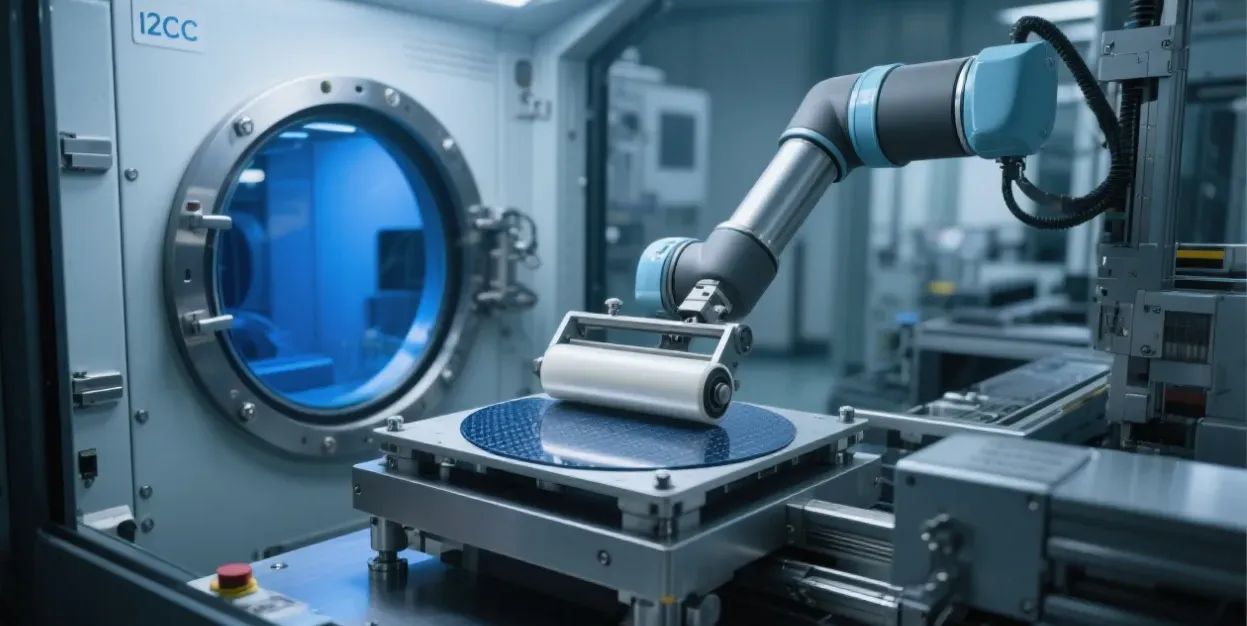
Yili Xinchuang's wafer-level vacuum lamination system solves the "bubble dilemma" in advanced packaging. This system utilizes patented vacuum lamination technology to perform lamination in a highly clean vacuum environment, eliminating bubbles at the root. Its innovations include: * Patented soft-cushion airbag lamination: An elastic airbag combined with oscillating lamination technology achieves uniform pressure across the wafer surface (especially for structures with a high aspect ratio of 1:20). * Independent and precise control of heat, vacuum, and pressure parameters allows for adaptability to a variety of materials (PI, ABF, and dry film). * Built-in automatic cutting and roll-to-roll (R2R) film feeding and unloading systems improve production efficiency.
For 01005 micro-components (0.4mm×0.2mm) and QFN chips with a 0.3mm pin pitch, the placement process requires equipment with an accuracy of ±25μm. Modern high-precision chip placement machines utilize dual-camera vision alignment technology (with an optical resolution of 5μm) to precisely identify pad and pin positions. During operation, the equipment controls the Z-axis pressure (in the range of 3-5N) and placement speed (CPH ≥ 35,000). A laser calibration system is also used to compensate for PCB thermal deformation in real time. Research shows that when placement offset is controlled within 15% of the component size, the risk of short circuits after reflow soldering can be reduced by 72%.
SMT equipment intelligence is evolving from automation to autonomy: *AOI systems integrate deep learning modules to continuously accumulate defect samples and optimize classification models, reducing the false positive rate to below 0.1%. *Placement machines use machine learning to predict nozzle wear, automatically switching to a backup nozzle and triggering maintenance alerts. *Reflow ovens combine real-time thermal imaging with AI algorithms to dynamically adjust the power ratio of each temperature zone, stabilizing temperature deviation within ±1.5°C.
As component pin pitches evolve below 0.3mm, placement accuracy must reach ±25μm to support 01005 packages. Cutting-edge technologies such as hybrid photolithography and 3D printing processes are breaking through bottlenecks in precision placement: * A placement head using multi-beam laser positioning achieves nanometer-level position correction * A piezoelectrically driven micro-motion stage compensates for micron-level offset caused by thermal deformation * Ultra-precision stencil electroforming technology achieves aperture tolerances within ±2μm
Environmental protection requirements are driving equipment upgrades: * The widespread adoption of lead-free soldering technology and optimized solder paste dosage algorithms reduce single-board material costs by 12% * Reflow ovens utilize zoned heating and waste heat recovery, reducing energy consumption by 25% * Selective wave soldering replaces traditional processes, reducing thermal damage and energy consumption In the precision universe of SMT manufacturing, every piece of equipment is essential—from solder paste printers that measure every millimeter to AOI optical inspection systems that discern the smallest details; from X-ray equipment that penetrates reality to intelligent, connected vehicle management systems. Together, these devices form the infrastructure for modern electronics manufacturing, driving the evolution of electronics manufacturing toward higher precision, higher efficiency, and greater intelligence. With breakthroughs in innovative equipment such as wafer-level vacuum lamination systems, and the in-depth application of AI and digital twin technologies at the equipment level, SMT manufacturing equipment is undergoing a paradigm shift from "automation" to "intelligence" and finally to "autonomy." In this wave of technological innovation, precision equipment is not only a production tool but also the core engine driving continuous innovation in the electronics industry.
7.Collaborative Equipment Upgrades: Building a Highly Resilient Manufacturing Ecosystem
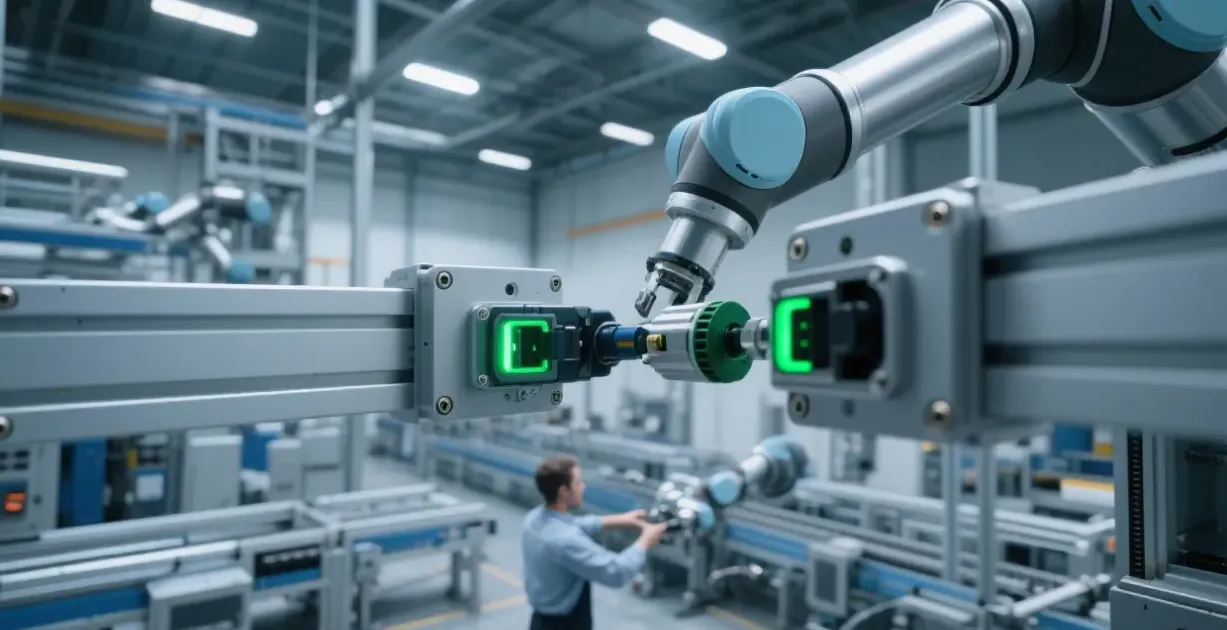
Modern SMT production lines are undergoing a transformation from rigid production lines to modular, reconfigurable systems. New equipment, such as the Siemens SX series, utilizes standardized mechanical interfaces and data protocols: * Quick-connect power/air connections: Equipment changeover time is reduced to less than 15 minutes. * Distributed motion control system: Each module has its own independent servo drive, eliminating the risk of entire line downtime. * Hot-swappable modules: For example, the scraper assembly of a printing press can be replaced in 30 seconds. A case study at a medical electronics company showed that modularization increased line changeover efficiency by 80% and increased equipment utilization from 65% to 92%. This architecture is particularly well-suited for high-mix production, enabling rapid switching between differentiated workpieces such as mobile phone motherboards, automotive controllers, and medical sensors.
When processing micro-components smaller than 0201 (0.6 x 0.3 mm), environmental fluctuations can be a quality threat. The latest microenvironment control unit integrates three core technologies. * Temperature fluctuations are controlled to ±0.3°C (compliant with IPC-9851 Class 3 standards) * A 0.1μm-class static eliminator reduces static voltage to below 50V * A six-degree-of-freedom active vibration reduction platform isolates mechanical vibrations exceeding 2Hz Experimental data shows that when ambient temperature fluctuations exceed 1°C, the shift rate of 01005 components increases by 300%. However, with micro-environmental control, the standard deviation of placement accuracy is reduced to within 8μm.
Oxygen-free soldering is crucial for controlling BGA void rates. The new generation of intelligent nitrogen systems achieves three breakthroughs: * Dynamic oxygen content control: Automatically adjusts nitrogen concentration according to the soldering stage (5% in the preheat zone, <100ppm in the reflow zone). * Airflow topology optimization: Computational fluid dynamics simulation is used to design the nozzle array, achieving an oxygen concentration gradient of <0.5%. * Residual nitrogen recovery device: Molecular sieve adsorption technology recovers 90% of nitrogen, reducing gas consumption by 40%. After adopting this technology, a server motherboard manufacturer reduced the void rate of BGA solder joints from 8% to 0.5%, and the product failure rate decreased by 67%.
8.Collaborative Innovation in Materials and Equipment
The widespread use of low-temperature solder (LTS) is driving equipment innovation. The printer's synchronously upgraded constant-temperature paste supply system stabilizes the solder paste temperature at 25±0.5°C and controls viscosity fluctuations within ±10%. Combined with high-precision stencils (hole wall roughness Ra ≤ 0.8μm), ultra-fine pitch printing is possible.
The underfill process requires adhesive thickness accuracy of ±10μm. The evolution of piezoelectric jet valves achieves: * Minimum dispensing diameter of 0.15mm * Line width control accuracy of ±5μm * High-speed dispensing capability of 10,000 cph Combined with a vision positioning system, precise dam coating can be achieved around the periphery of 0.4mm pitch BGAs, increasing fill speed by three times while reducing the overflow rate to below 0.1%. 9.Conclusion: Equipment Evolution Drives Industrial Transformation As modular equipment architectures break free from the constraints of line rigidity, as microenvironmental control systems conquer microscopic fluctuations, and as intelligent nitrogen management pushes beyond process limits—the coordinated evolution of these equipment clusters is reshaping the very fabric of electronics manufacturing. They are not only assemblers of precision components but also incubators of new materials, processes, and standards. In the new era of intelligent manufacturing, equipment innovation has evolved from single-point breakthroughs to systemic revolutions, continuously injecting tremendous momentum into the miniaturization, high-frequency, and high-reliability of electronic products. The future has arrived, and only those who can control it can lead the way.
|
 4.Advanced Packaging Equipment: A Technological Breakthrough
 5.Future Trends: The Fusion of Intelligence and Extreme Precision
 6.Precision Equipment Builds the Cornerstone of Electronics Manufacturing