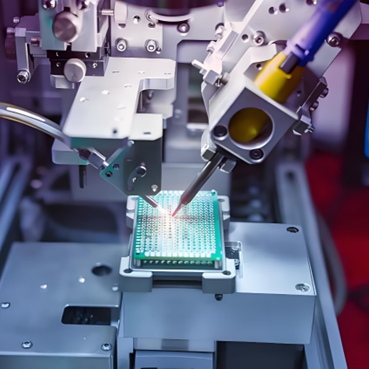
In the silent hum of a 21st-century electronics factory, a revolution unfolds. Robotic arms flicker with precision, placing components smaller than a grain of sand onto intricate green boards at speeds the human eye can barely follow. This is the world of Surface Mount Technology (SMT), the bedrock upon which virtually every modern electronic device is built.
For EMS providers and electronics manufacturers, the choice, optimization, and integration of SMT equipment – encompassing pick and place machines, reflow ovens, and sophisticated inspection systems like AOI (Automated Optical Inspection) and SPI (Solder Paste Inspection) – isn't just an operational decision; it's the core determinant of competitiveness, quality, and profitability in an unforgiving global market. The relentless drive towards miniaturization, increased functionality, and blistering production speeds makes mastering the SMT line not merely advantageous, but absolutely critical for survival and success.
The Indispensable Pillars: Core SMT Machinery
The efficiency and output quality of any SMT line hinge on the performance of its fundamental machines. Understanding their roles and capabilities is paramount.
1.The Precision Placement Engine: Pick and Place Machines
- Function:The workhorse of the SMT line, responsible for accurately picking electronic components (SMDs - Surface Mount Devices) from feeders (reels, trays, sticks) and placing them onto solder paste deposited on the PCB (Printed Circuit Board) at incredibly high speeds and with micron-level precision.
- Key Technologies & Considerations:
- Speed & Flexibility:Measured in Components Per Hour (CPH). High-speed machines (50,000+ CPH) handle small chips (resistors, capacitors), while flexible or "multi-function" placers manage larger, complex parts (BGAs, connectors, flexible PCBs) and offer greater feeder Modern lines often combine both types.
- Vision Systems:Critical for precision. Upward cameras locate fiducial marks (fiducials) on the PCB for board alignment. Downward cameras inspect components for type, orientation, and lead coplanarity before placement. Advanced systems handle fine-pitch components and complex packages.
- Feeder Systems:The lifeline supplying components. Tape-and-reel feeders are most common. Reliability and quick changeover capabilities are vital for minimizing downtime, especially in high-mix, low-volume (HMLV) Vibratory bowl feeders are sometimes used for odd-form components.
- Placement Accuracy and Repeatability:Measured in microns (µm). Crucial for ensuring components land correctly on their pads, especially for dense designs and high-density interconnect (HDI) PCBs.
- Impact on Efficiency & Quality:A fast, accurate, and reliable pick and place machineminimizes misplacement, reduces defects downstream, maximizes throughput, and allows handling of complex designs. Bottlenecks here cripple the entire line.

2.The Bonding Crucible: Reflow Soldering Ovens
- Function:After component placement, the PCB travels through the reflow oven. This machine subjects the assembly to precisely controlled thermal profiles, melting the solder paste to form permanent electrical and mechanical connections between the component leads and the PCB pads, without damaging sensitive components.
- Key Technologies & Considerations:
- Thermal Profiling:The heart of the process. A carefully engineered temperature curve (preheat, soak, reflow peak, cooling) specific to the solder paste alloy (lead-free solder paste like SAC305 is now standard) and component mix is essential. Poor profiles cause defects like tombstoning, cold joints, voids, or component damage.
- Heating Zones & Technology:Modern ovens have multiple independently controlled heating zones (8-14+). Common heating methods include convection (hot air), infrared (IR), and combinations (convection dominant). Vapor Phase Soldering (VPS) is gaining traction for superior thermal transfer and consistency, especially for complex boards like rigid-flex PCBs or those with large thermal masses.
- Nitrogen (N2) Atmosphere:Injecting nitrogen into the reflow zone minimizes oxidation, improving solder joint wetting, appearance, and strength, and reducing defects like solder balling. This is crucial for fine-pitch components and high-reliability products.
- Cooling Zone:Rapid and controlled cooling solidifies the solder joints correctly, impacting their microstructure and long-term reliability.
- Impact on Efficiency & Quality:Consistent, precise thermal management is non-negotiable for defect-free soldering. Oven stability, accurate profiling, and features like nitrogen inerting directly impact first-pass yield (FPY) and long-term product reliability. It's often the slowest step in the SMT process cycle.

3.The Quality Guardians: Inspection Systems (SPI & AOI)
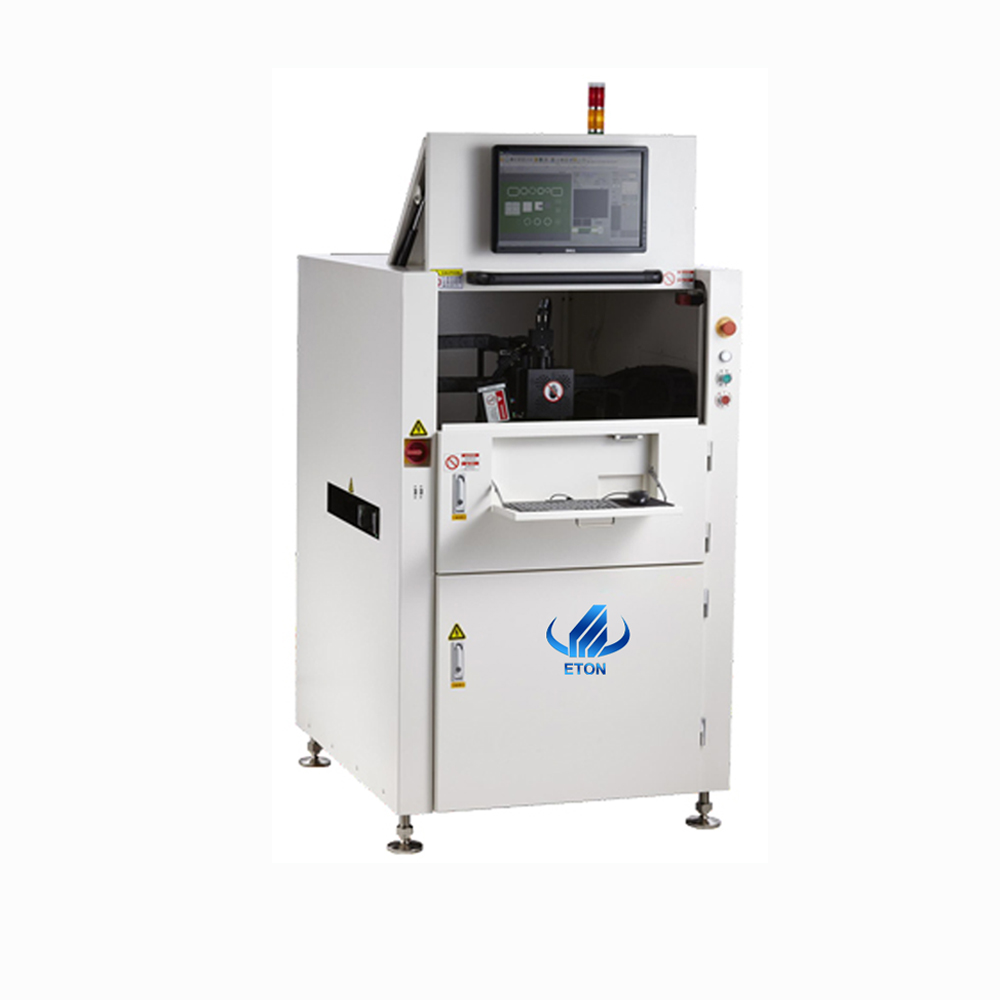
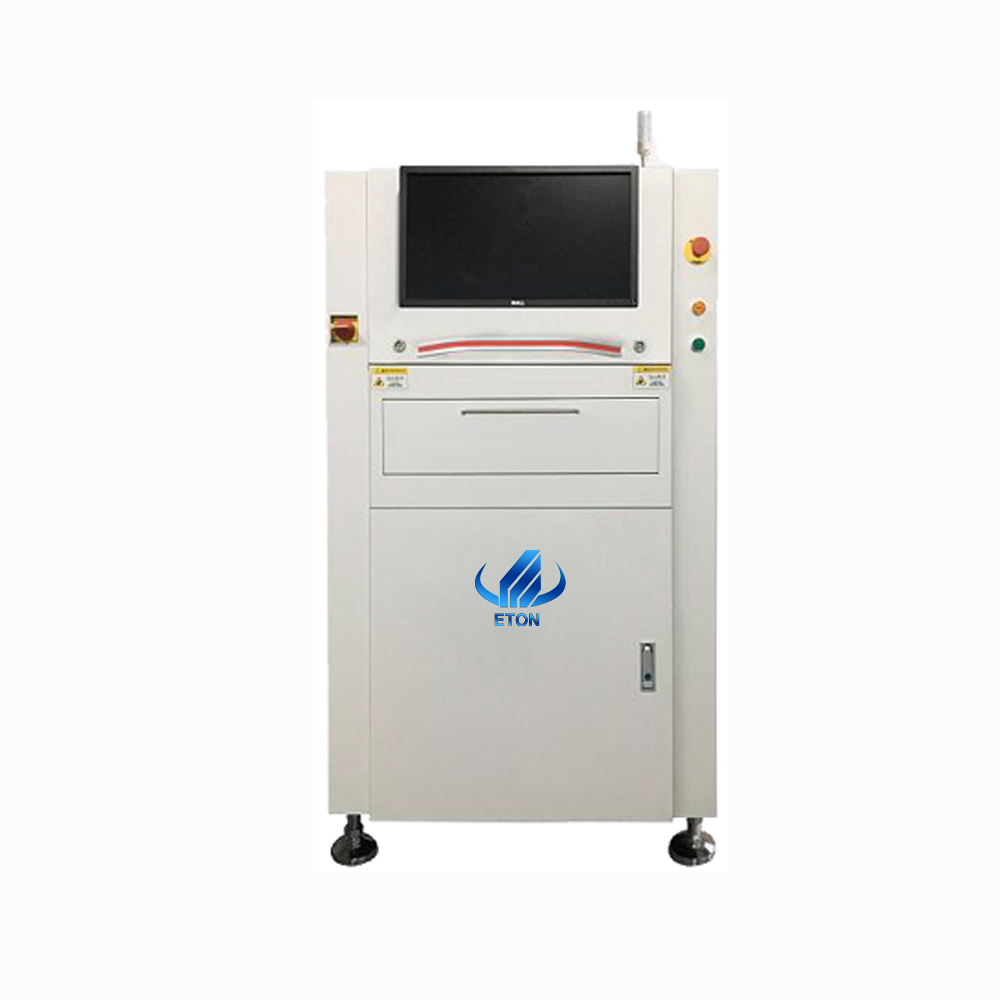
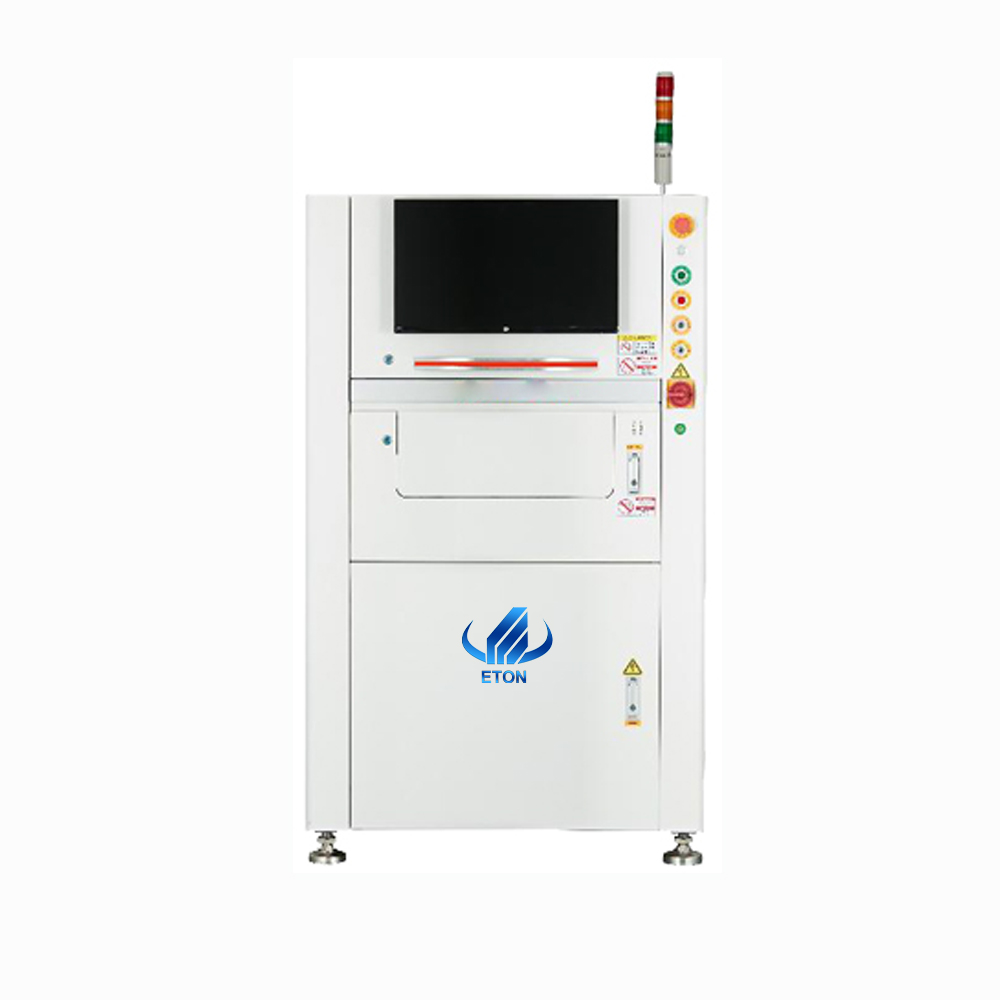
- Function:To catch defects early and prevent faulty assemblies from moving downstream. Solder Paste Inspection (SPI) occurs before component placement, while Automated Optical Inspection (AOI) happens after reflow soldering. X-ray inspection (AXI) is used for hidden joints (BGAs, through-hole under shields).
- Solder Paste Inspection (SPI):
- Why:Verifies the quality of the solder paste printing process – the foundation of good soldering.
- What it Checks:Volume, height, area, alignment, and shape of each solder paste deposit. Catches issues like insufficient paste, bridging, smearing, or misalignment.
- Technology:Primarily uses laser or structured light (moire) projection to create 3D profiles of the paste deposits.
- Impact:Early detection of stencil printing defects prevents placement on bad paste, saving components and rework effort. Essential for fine-pitch and high-density interconnect (HDI)
- Automated Optical Inspection (AOI):
- Why:Verifies correct component placement and solder joint quality after
- What it Checks:Presence, type, value (marking verification), polarity, placement accuracy, and solder joint characteristics (shape, wetting, bridging, insufficient solder, etc.). Can also detect board damage.
- Technology:High-resolution cameras (often multiple angles), sophisticated lighting, and powerful image processing software. Some systems incorporate simple electrical tests.
- Impact:The primary post-reflow quality checkpoint. High-speed, reliable AOI significantly reduces escape rates (defects missed) and provides vital data for process control and continuous improvement. Reduces reliance on manual visual inspection.
- Impact on Efficiency & Quality:SPI and AOI are not cost centers; they are profit protection centers. They dramatically reduce rework costs, prevent field failures, provide actionable data for process optimization, and ensure compliance with quality standards. Investing in capable, high-speed inspection is fundamental to achieving high first-pass yield (FPY).
The Synergy of Integration: Beyond Individual Machines
The true power of a modern SMT line lies not just in the individual machines, but in their seamless integration and communication.
- Line Control & MES Integration:Modern lines are orchestrated by sophisticated software. Machines communicate via SMEMA (Surface Mount Equipment Manufacturers Association) protocols or modern equivalents (e.g., Hermes, CFX - Connected Factory Exchange). This ensures smooth board handling, prevents collisions, and tracks production data. Integration with a Manufacturing Execution System (MES) provides real-time monitoring, traceability, material tracking, and data analytics for overall equipment effectiveness (OEE).
- Material Handling:Automated systems move PCBs between machines – conveyors, lift-and-shift units, buffers – minimizing manual handling and ensuring consistent flow. Buffer conveyors help decouple machines, preventing stoppages if one station experiences a brief delay.
- Feeder Management:Efficient setup and changeover rely heavily on organized feeder management systems. Pre-setup offline feeder carts (feeder carts) minimize line downtime during product changeovers, crucial for HMLV production.
- Environment Control:Maintaining a stable factory environment (temperature, humidity, cleanliness) is vital for consistent solder paste performance, machine accuracy, and preventing Electrostatic Discharge (ESD) Dry cabinets or dry storage boxes are essential for moisture-sensitive components (MSDs).
Optimizing the Line: Strategies for Peak Performance
Owning advanced SMT equipment is only the first step. Unlocking its full potential requires relentless optimization:
1.Process Engineering Excellence:
- Stencil Design & Solder Paste:The foundation. Optimizing stencil aperture design (size, shape, step-up/step-down for mixed technology) is critical for perfect paste deposition. Choosing the right solder paste (alloy, particle size, flux chemistry) for the application and ensuring its proper handling and printing parameters are fundamental.
- Thermal Profiling:Not a set-and-forget activity. Regular verification and optimization of reflow oven profiles using thermal profilers are essential, especially with new board designs or component changes. Understanding the thermal mass of different areas of the PCB is key.
- Preventive & Predictive Maintenance (PM):Rigorous, scheduled maintenance of all equipment – cleaning nozzles on pick and place machines, calibrating vision systems, cleaning oven conveyors and filters, verifying AOI/SPI calibration – prevents unexpected downtime and maintains accuracy. Predictive maintenance using sensor data is increasingly common.
- Programming & Setup Optimization:Efficient machine programming minimizes head movements, optimizes feeder placement for high-usage parts, and ensures smooth operation. Offline programming software is invaluable.
2.Data-Driven Decision Making:
- Leveraging Inspection Data:SPI and AOI systems generate vast amounts of defect data. Analyzing this data (defect types, locations, trends) pinpoints root causes – is it a stencil issue, placement inaccuracy, reflow profile problem, or component defect? This drives targeted corrective actions.
- OEE Tracking:Measuring Overall Equipment Effectiveness (Availability x Performance x Quality) identifies bottlenecks and areas for improvement across the entire line.
Traceability:Tracking materials, processes, and test results for each board is essential for quality control, recalls, and continuous improvement.
3.Workforce Skills & Training: Operating and maintaining complex SMT lines requires highly skilled technicians and engineers. Continuous training on new equipment, processes, and defect analysis techniques is a critical investment.
Navigating the Purchase: Key Considerations for SMT Equipment
Selecting the right SMT machinery is a strategic, high-cost decision. Key factors include:
- Product Mix & Volumes:Are you high-volume/low-mix (consumer electronics) or high-mix/low-volume (HMLV) (industrial, medical, aerospace)? This dictates the needed pick and place flexibility/speed balance and inspection
- Board Complexity:Handling fine-pitch components (0402, 0201, 01005), BGAs (Ball Grid Arrays), QFN (Quad Flat No-leads), CSPs (Chip Scale Packages), flexible PCBs, rigid-flex PCBs, or HDI boards demands machines with superior vision systems, placement accuracy, and often specialized capabilities.
- Quality & Reliability Requirements:Aerospace, medical, and automotive sectors demand extremely high reliability. This necessitates advanced inspection (AOI, AXI), nitrogen reflow, rigorous process control, and traceability.
- Budget & Total Cost of Ownership (TCO):Consider not just purchase price, but installation, training, maintenance contracts, feeder costs, consumables (nozzles, filters), energy consumption, and expected lifespan/upgrade path.
- Scalability & Future-Proofing:Can the line be easily expanded? Does the vendor offer a clear upgrade path? Are machines compatible with emerging standards like CFX?
- Vendor Support & Service:The quality, speed, and cost of technical support and spare parts availability are critical for minimizing downtime. Local support presence is a significant advantage. Consider the vendor's reputation and long-term stability.
- Technology Specifics:Evaluate specific features like vision system capabilities, maximum placement speed/accuracy, feeder compatibility/capacity, reflow oven zone count/N2 consumption, AOI/SPI algorithm effectiveness and defect escape rates, ease of programming, and software integration capabilities.
Emerging Trends Shaping the Future SMT Factory
The SMT landscape is constantly evolving. Key trends impacting equipment and processes include:
- Miniaturization & Advanced Packaging:The relentless drive towards smaller, more powerful devices fuels demand for handling ultra-small components (01005, 008004), chip-on-board (CoB), wafer-level packaging (WLP), System-in-Package (SiP), and 3D packaging. This demands even higher placement accuracy, advanced vision systems, and potentially specialized pick and place Flip chip technology also requires precise placement and underfill processes.
- Automation & Industry 4.0:Integration deepens. MES systems become central nervous systems. CFX (IPC-2591) enables seamless machine-to-machine communication. AI (Artificial Intelligence) and ML (Machine Learning) are being integrated into AOI/SPI for smarter defect recognition, reduced false calls, and predictive quality analytics. Robotics for material handling (loader/unloader) and rework are advancing. The goal is the "lights-out" SMT factory.
- Advanced Inspection:3D AOI and SPI provide even more detailed measurement data. Automated X-ray Inspection (AXI) is becoming faster and more accessible for complex BGA and through-hole Combining different inspection technologies in-line provides the most comprehensive defect coverage.
- Sustainability:Pressure mounts for greener manufacturing. This drives demand for lead-free solder pastes, lower energy consumption machines (e.g., efficient reflow ovens, LED lighting in AOI), reduced nitrogen usage, recyclable packaging, and responsible waste management (solder dross, cleaning solvents). Conformal coating processes are also scrutinized for environmental impact.
- Flexible & Agile Manufacturing:The ability to quickly switch between products (HMLV) is paramount. This emphasizes the need for quick feeder changeover systems, offline programming, modular machine designs, and highly adaptable MES
- Advanced Soldering Techniques:Vapor Phase Soldering (VPS) gains traction for its excellent thermal uniformity and lower peak temperatures, benefiting sensitive components and complex boards. Selective Soldering remains crucial for through-hole components alongside SMT. Laser soldering offers precision for delicate applications.
The Critical Role of Support and Services
Investing in SMT equipment is a long-term commitment. The relationship with the equipment vendor extends far beyond the initial sale:
- Installation & Commissioning:Expert setup and calibration are vital for achieving specified performance from day one.
- Training:Comprehensive training for operators, programmers, and maintenance technicians is essential for safe, efficient, and effective equipment use.
- Preventive Maintenance Contracts:Scheduled PM by qualified technicians ensures machine longevity, minimizes unplanned downtime, and maintains accuracy and yield.
- Technical Support:Access to responsive, knowledgeable technical support is crucial for troubleshooting issues quickly and minimizing production disruptions.
- Spare Parts:Availability of critical spare parts locally or with short lead times is essential. Maintaining a strategic spare parts inventory is wise.
- Software Updates & Upgrades:Regular software updates often include bug fixes, performance improvements, and new features. Hardware upgrades can extend machine capabilities or lifespan.
Conclusion: Mastering the Machine for Market Dominance
The modern SMT production line, centered on the sophisticated interplay of pick and place machines, reflow ovens, and inspection systems (SPI/AOI), represents one of the pinnacles of precision manufacturing. For companies in the electronics assembly sector, these machines are far more than capital expenditures; they are the engines of innovation, quality, and competitive advantage. Success hinges not merely on purchasing the most advanced equipment, but on deeply understanding its capabilities, relentlessly optimizing the processes it enables, integrating it seamlessly within a data-driven smart factory framework, and fostering a culture of continuous improvement supported by strong vendor partnerships.
Navigating the complexities of SMT equipment selection, operation, and optimization demands expertise and strategic vision. It requires balancing the demands of miniaturization, escalating quality and reliability requirements, and the pressures of cost and time-to-market. Those who master this domain – leveraging the power of their SMT lines to achieve unparalleled efficiency, near-zero defect rates, and the agility to adapt to the next wave of electronic innovation – will be the ones defining the future of the electronics industry. The revolution on the factory floor continues, and its leaders are those who understand that the machine is the message.