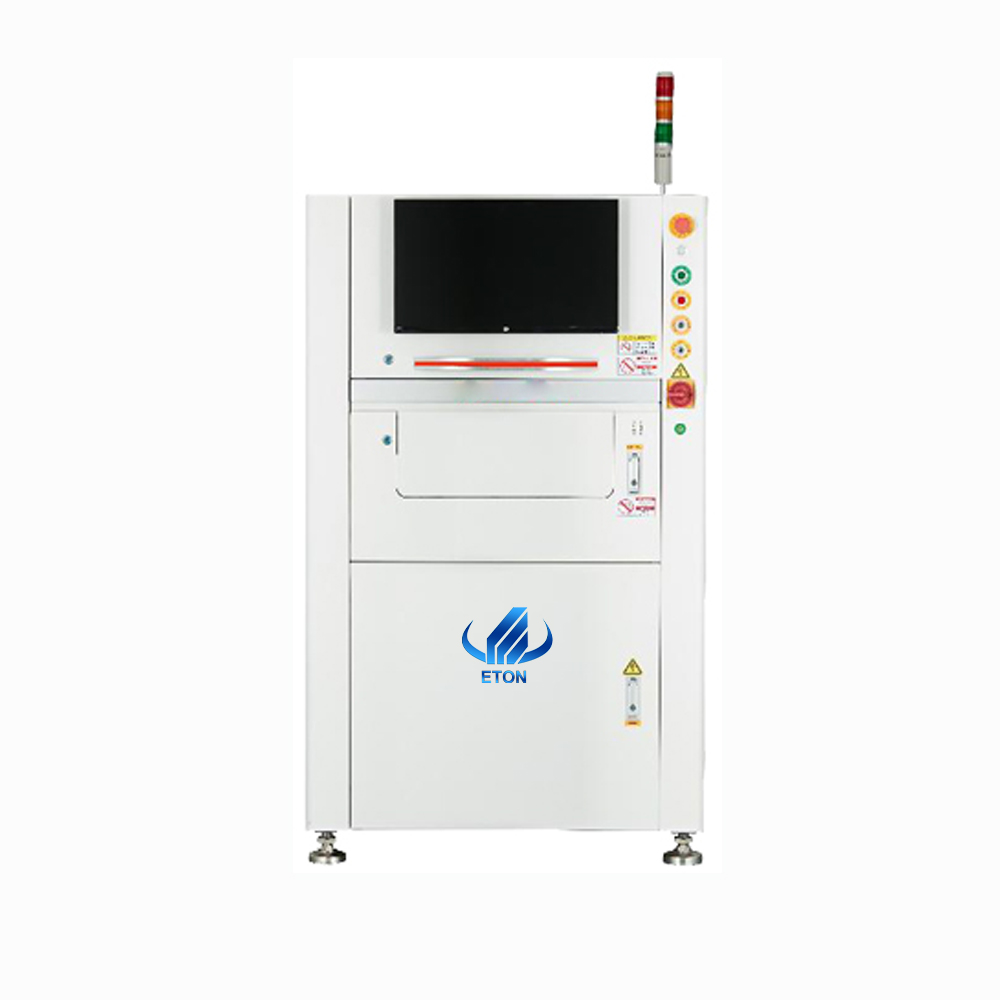
|
The surface mount technology (SMT) industry has revolutionized electronics manufacturing, enabling the miniaturization and performance improvements we've witnessed in everything from smartphones to medical devices. At the heart of this revolution lies the humble pick-and-place machine - a technological marvel that has evolved from simple mechanical arms to sophisticated computerized systems capable of near-miraculous precision. 01 The Rise of SMT: From Through-Hole to Surface Mount The electronics manufacturing industry underwent a paradigm shift with the transition from through-hole technology to surface mount technology. This transformation began in the 1980s and accelerated through the 1990s as electronic devices became smaller and more complex. Traditional through-hole technology required drilling holes in printed circuit boards (PCBs) and inserting components leads through these holes before smt soldering. This process was labor-intensive, limited component density, and constrained design possibilities. Surface mount technology eliminated the need for drilled holes by allowing components to be placed directly onto the surface of PCBs. This breakthrough enabled:
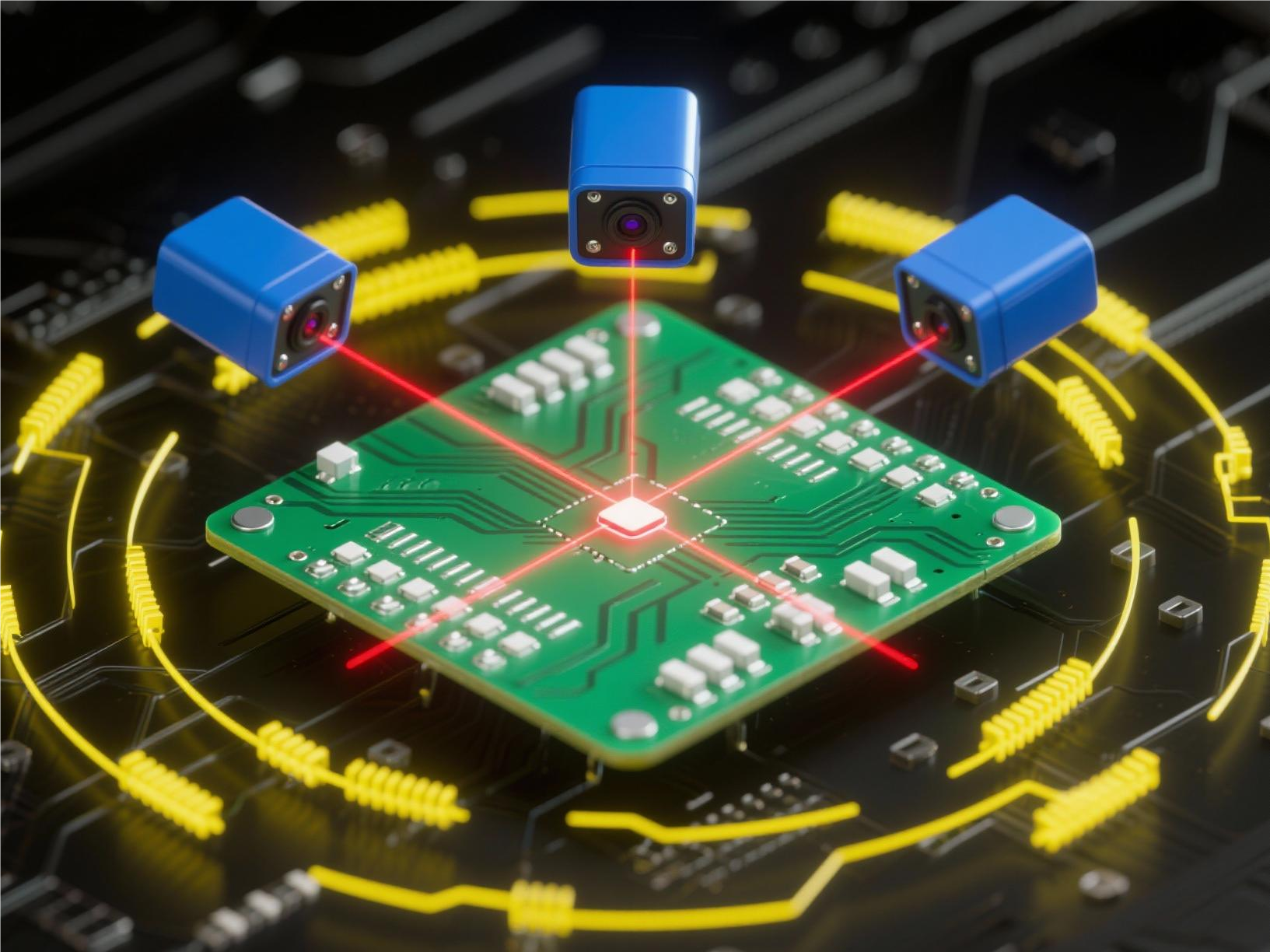
The emergence of SMT sparked a corresponding evolution in placement equipment. Early pick-and-place machines were relatively simple mechanical devices with limited accuracy and speed. Today's machines represent the culmination of decades of refinement in mechanical engineering, computer vision, and motion control technology. 02 Core Technologies in Modern Pick-and-Place Machines Modern pick-and-place machines incorporate multiple advanced technologies that work in concert to achieve remarkable placement accuracy at incredible speeds. Vision Systems Advanced machine vision systems form the "eyes" of modern placement equipment. High-resolution cameras with sophisticated lighting systems identify components and boards with micron-level precision. These systems can:
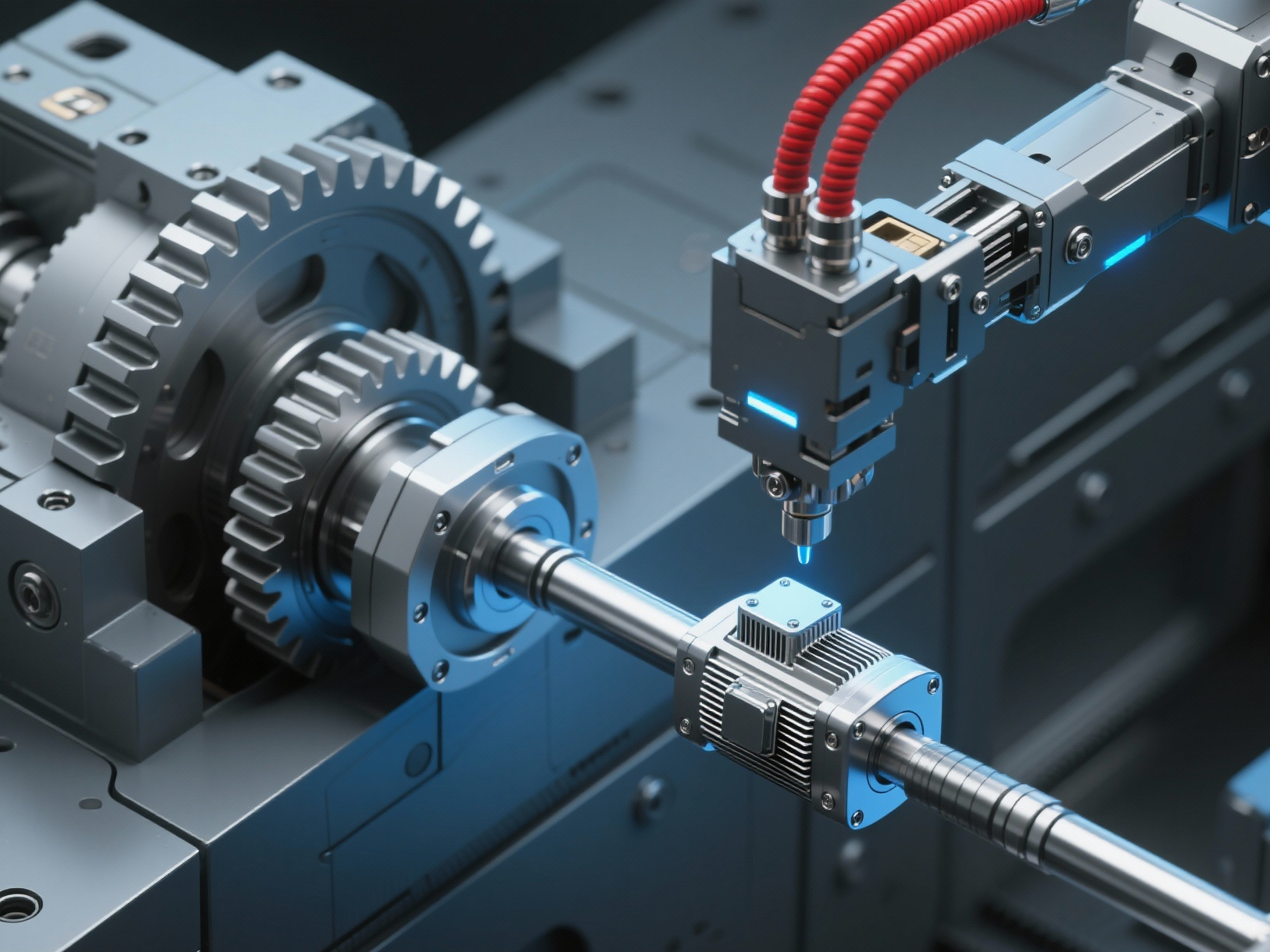
Motion Control Systems The precise movement of placement heads relies on advanced motion control technologies. Modern machines utilize:
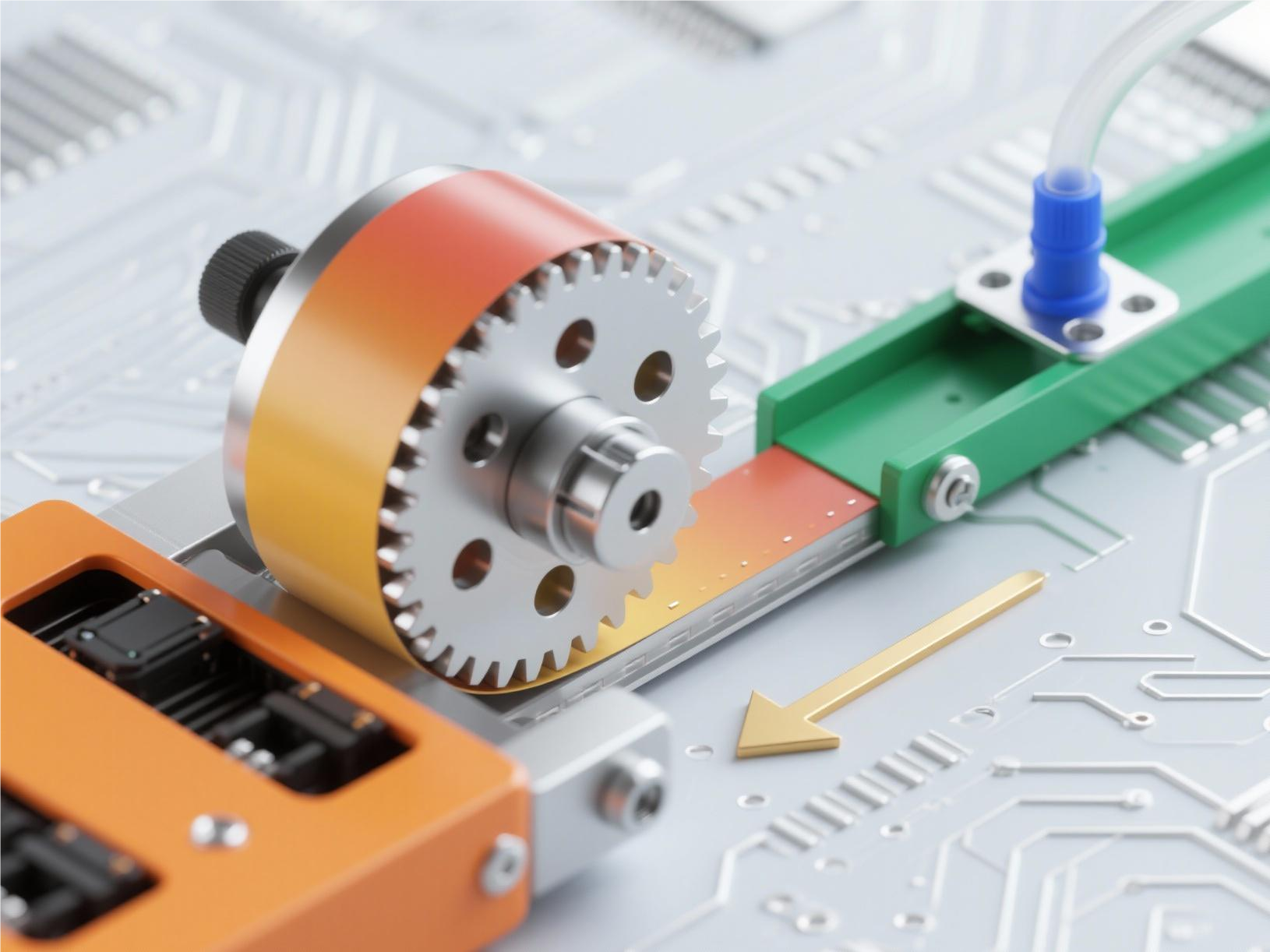
Component Handling Systems Efficient component handling is crucial for maintaining high placement rates. Modern systems feature:
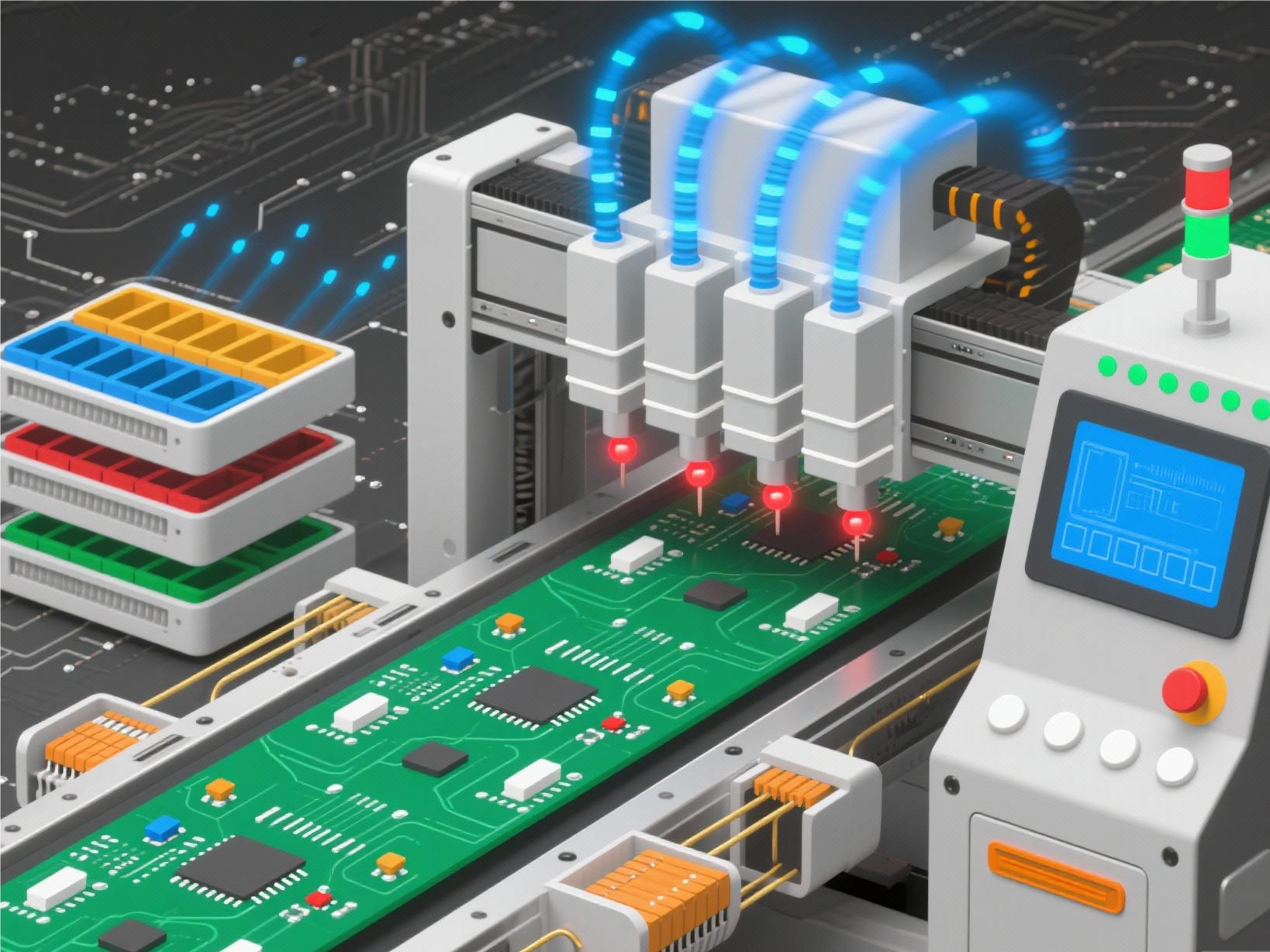
03 The Placement Process: A Symphony of Precision The operation of a modern pick-and-place machine represents a carefully choreographed sequence of events that occurs in milliseconds, repeated thousands of times per hour. The process begins with board loading and alignment. The machine vision system identifies fiducial marks on the PCB to establish precise positioning coordinates. Meanwhile, components are fed into the machine from various packaging formats including tape-and-reel, trays, or sticks. The placement head moves to the component pickup location, where a vacuum nozzle retrieves the component. Critical factors at this stage include:
After pickup, the component is transported to the inspection station where the vision system verifies:
Once verified, the placement head moves to the programmed placement location on the PCB. The final placement operation involves:
After placement, the board moves to the next stage in the SMT line, typically the reflow oven where surface mount soldering permanently attaches the components to the board. 04 Technical Specifications and Performance Metrics Understanding pick-and-place machine capabilities requires familiarity with key performance metrics that define machine suitability for different applications. Placement Accuracy Placement accuracy refers to how precisely a machine can place components relative to their intended positions. Modern high-end machines achieve accuracy of ±25 microns (0.025mm) or better. This precision is crucial for handling fine-pitch components with lead spacing as small as 0.3mm. Placement Speed Speed is typically measured in components per hour (CPH). Different machine architectures offer varying speed capabilities:
Component Range The range of component sizes a machine can handle is another critical specification. Modern machines must accommodate:
Flexibility and Changeover Modern manufacturing demands flexibility. Key considerations include:
05 Applications Across Industries Pick-and-place technology serves diverse industries with varying requirements for precision, speed, and reliability. Consumer Electronics The consumer electronics industry drives demand for higher speed and greater precision. Smartphones, tablets, and wearables require:
Automotive Electronics Automotive applications demand reliability and robustness. Requirements include:
Medical Devices Medical electronics impose strict quality requirements:
Aerospace and Defense Military and aerospace applications have unique needs:
06 Integration with SMT Line Processes Pick-and-place machines don't operate in isolation—they form part of an integrated SMT line that typically includes: Solder Paste Printing The process begins with solder paste application using stencil printers. Precise paste deposition is critical for successful smt soldering later in the process. Component Placement The pick-and-place machine positions components onto the solder paste. Reflow Soldering After placement, boards proceed through reflow ovens where controlled heating melts the solder paste, creating permanent electrical connections. Some setups may use a hot air machine for specialized reflow requirements. Inspection and Testing Automated optical inspection (AOI) systems verify placement accuracy and solder quality before electrical testing. Rework Stations Despite high automation, some boards require manual intervention. Rework station equipment allows technicians to remove and replace defective components using specialized soldering iron station tools designed for SMT work. 07 The Role of Supporting Equipment While pick-and-place machines handle component placement, several supporting equipment types are essential for complete SMT processing. Soldering Equipment Surface mount soldering typically occurs in reflow ovens that carefully control temperature profiles to melt solder paste without damaging components. Different soldering approaches include:
Specialized hot air machine tools are used for targeted rework and repair operations. Rework and Repair Systems Despite high yields, some boards require rework. Modern rework station equipment includes:
Advanced soldering iron station setups provide precise temperature control for manual SMT work. Inspection Equipment Quality assurance requires comprehensive inspection capabilities:
08 Industry 4.0 and Smart Manufacturing The latest evolution in pick-and-place technology involves integration with Industry 4.0 concepts and smart manufacturing initiatives. Data Collection and Analysis Modern machines generate vast amounts of process data that can be analyzed to:
Connectivity and Integration Network connectivity enables:
Adaptive Manufacturing Advanced systems can adapt to process variations by:
09 Challenges and Future Directions Despite significant advances, the pick-and-place industry continues to face challenges that drive future innovation. Miniaturization Limits As components shrink toward physical limits, new approaches may be needed for:
Emerging materials and processes present new challenges:
Speed Versus Flexibility The perpetual trade-off between speed and flexibility continues to drive architectural innovations:
Sustainability Considerations Environmental concerns are influencing machine design:
10 The Human Element: Skills and Training Despite high automation, skilled operators and technicians remain essential for successful SMT operations. Programming and Optimization Effective machine programming requires understanding of:
Maintenance and Troubleshooting Preventive maintenance and quick problem resolution need skills in:
Process Integration Understanding how placement interacts with other processes is critical for:
Even with advanced automation, the rework station and soldering iron station still require skilled technicians for handling exceptions and rework operations. The future of pick-and-place technology points toward even greater integration, flexibility, and intelligence. As electronics continue to evolve toward smaller, more complex, and more diverse applications, SMT equipment must correspondingly advance. Emerging technologies like machine learning, collaborative robotics, and digital twin simulation promise to further enhance the capabilities of these remarkable machines, ensuring that pick-and-place technology continues to drive innovation in electronics manufacturing for years to come. |
The Evolution and Future of SMT Pick-and-Place Machines: Powering the Electronics Manufacturing Revolution
29. 8. 2025 eton